
Pests
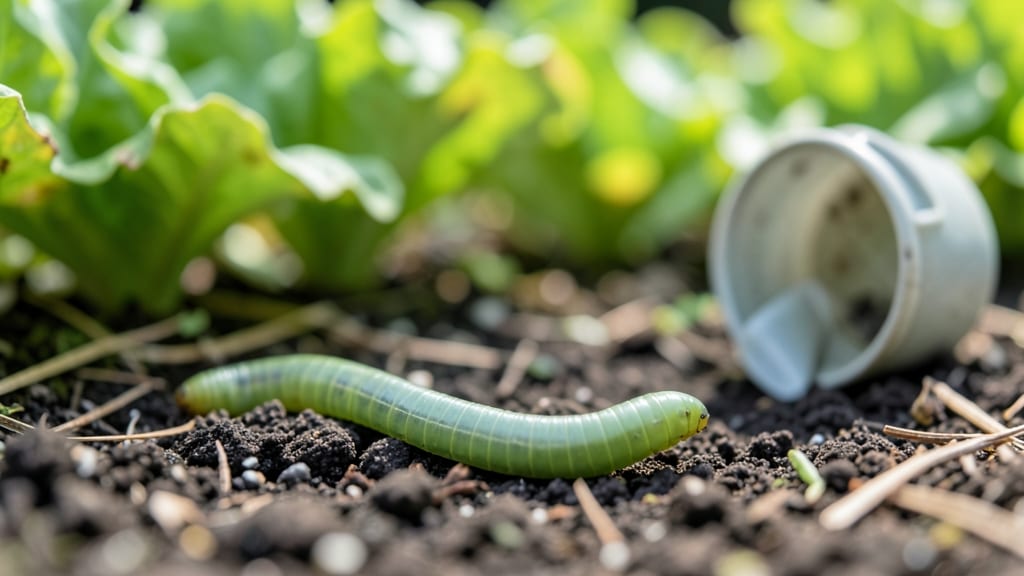
That small green worm in garden you’re spotting near your plants isn’t just creepy—it’s probably a cutworm or beetle larva silently munching on your tomatoes and peppers. 🌱 I’ve pulled dozens off mine, and here’s how to stop them. before they turn your hard work into a buffet.
The damage starts small—chewed stems at soil level, ragged leaf edges—but it adds up fast if you ignore it.
Most of these pests thrive in damp, mulchy soil where they hide during the day, striking after dark. The good news? They’re easy to remove by hand once you know where to look—just check under leaves and along garden edges at dusk.
Natural predators like birds and ground beetles usually handle them, but if your garden’s a buffet, we’ll use simple, chemical-free fixes like neem oil or even a flashlight hunt after sunset.
By the time you’re done, your plants will stay sturdy and your harvest won’t be turning into worm snacks. The key is acting fast—these guys multiply overnight, but a few minutes of prevention now saves hours of cleanup later.
We’ll cover everything from quick fixes to long-term strategies that keep your garden thriving without harsh chemicals.
Whether you’re dealing with cutworms, slugs, or beetle larvae, the same principles apply: early detection, targeted removal, and smart prevention. Let’s get your garden back on track—without losing another leaf to these tiny troublemakers.
Root Causes of Garden Worms
Unwanted garden visitors like small green worms often show up for very specific reasons—usually tied to your plants, soil, or even the local ecosystem. Understanding these triggers helps you address the problem at its source. Let’s break down the most common causes and why they attract these pests.
Small green worms, especially larvae like cutworms or armyworms, thrive in damp, soggy conditions. When soil stays too wet—whether from overwatering, poor drainage, or heavy rainfall—it creates the perfect breeding ground. These pests seek out moist environments because:
- Larvae need humidity to survive their early stages, and waterlogged soil provides ideal moisture levels.
- Fungal growth (which worms also feed on) flourishes in wet conditions, making your garden even more appealing.
- Root damage from overwatering weakens plants, making them easier targets for worms to munch on tender leaves and stems.
Actionable fix: Improve drainage by amending soil with compost or sand, and water only when the top inch of soil is dry. 💡 Pro tip: Use a moisture meter to avoid guesswork!
Compost piles, fallen leaves, and rotting plant debris aren’t just nutrients—they’re worm magnets. Small green worms, including sowbugs or cutworm larvae, are drawn to decomposing material because it’s a buffet of easy food. Here’s why:
- Microorganisms in decaying matter release gases and nutrients that attract larvae.
- Mulch and leaf litter create dark, hidden spaces where worms can hide and reproduce undetected.
- Weakened plants near decomposing matter are more vulnerable to worm damage.
Actionable fix: Keep compost piles contained and aerated, and remove fallen leaves or debris from garden beds. 🌡️ Hot tip: Turn compost regularly to speed up decomposition and reduce pest attraction.
While fertilization boosts plant growth, too much nitrogen (common in synthetic fertilizers) can backfire by attracting worms. Here’s how:
- Excess nitrogen promotes lush, tender plant growth—exactly what worms love to eat.
- Soft new growth is more susceptible to chewing damage from larvae like cutworms.
- Soil microbes thrive on nitrogen, creating a secondary food source for worms.
Actionable fix: Switch to balanced, organic fertilizers (like compost or worm castings) and follow package instructions to avoid overapplication. ✨ Eco tip: Test your soil’s nitrogen levels before fertilizing!
Sometimes, the presence of small green worms isn’t about your garden’s conditions—it’s about the absence of their natural predators. When birds, beneficial insects, or amphibians are scarce, worm populations can explode. Common predators include:
- Birds (like robins or sparrows) that feed on larvae.
- Ground beetles and spiders that hunt worms.
- Frogs and toads that snack on cutworms and armyworms.
Actionable fix: Create a predator-friendly garden with:
- Birdhouses or baths to attract avian helpers.
- Ponds or shallow water sources for amphibians.
- Diverse plantings to support insect predators.
Worms often appear in response to seasonal changes, such as:
- Warm, humid springs (ideal for egg-laying and larval growth).
- Drought followed by heavy rain (disrupts ecosystems, causing pests to seek shelter in gardens).
- Late-summer heatwaves (stresses plants, making them more vulnerable).
Actionable fix: Monitor weather patterns and adjust care routines:
- Mulch to regulate soil temperature.
- Water deeply but less frequently to stabilize moisture.
- Plant resilient varieties that deter pests.
Quick Fixes for Garden Worms
Discovering small green worms in your garden can feel like an unwelcome surprise, but the good news is that most of these critters are harmless—or even helpful! 🌱 However, if they’re damaging plants, overpopulating, or just driving you crazy, it’s time to take action.
Below, we’ll break down the most common causes of these tiny invaders and provide practical, natural solutions to keep your garden thriving without harsh chemicals.
Before diving into fixes, confirm what you’re dealing with. Small green worms in gardens are often one of these:
- Cutworms (aggressive, cut stems at soil level)
- Looper caterpillars (arch their backs when moving)
- Grubs (C-shaped, often white or pale green)
- Sawfly larvae (smooth, green, with no legs)
- Beneficial worms (like cutworm parasites or predatory beetle larvae)
Pro Tip: 💡 If the worms are eating leaves but not stems, they’re likely loopers or sawflies. If plants are wilting or snapped at the base, cutworms are the culprits.
🔪 Handpicking (Best for Small Infestations)
If you spot just a few worms, the simplest solution is to pick them off by hand—especially at dawn or dusk when they’re sluggish.
- How to do it:
- Wear gloves for hygiene.
- Gently lift leaves or inspect stems for hiding worms.
- Drop them into soapy water (1 tbsp dish soap per gallon) to kill them instantly.
- When to do it: Early morning or late evening (they’re less active).
- Prevention: Check plants regularly, especially after rain (worms are more visible when soil is damp).
👨🍳 DIY Traps for Cutworms
Cutworms are nocturnal predators that crawl down stems to feed. Set up a simple beer trap to lure and drown them:
- Materials: Small cup, beer (or vinegar + sugar water), soil.
- How to set it up:
- Bury the cup in soil near affected plants, rim even with the ground.
- Fill with beer or a sweet liquid (they’re attracted to the smell).
- Check traps daily and dispose of drowned worms.
- Why it works: Cutworms can’t climb out of the cup once they fall in.
🥘 Beneficial Nematodes (For Grubs & Larvae)
If you suspect grubs (white, C-shaped larvae) munching on roots, beneficial nematodes are a chemical-free powerhouse.
- How to apply:
- Buy Heterorhabditis bacteriophora or Steinernema carpocapsae (available online or at garden centers).
- Mix with water and apply to soil in the evening (they die in sunlight).
- Water lightly afterward to help them move into the soil.
- Best for: Lawn grubs, root maggots, or soil-dwelling larvae.
- Reapply every 4–6 weeks for severe infestations.
⏰ Collar Barriers (Stop Cutworms Cold)
Protect young seedlings from cutworms by creating a physical barrier they can’t chew through.
- Materials: Cardboard, aluminum foil, or plastic collars.
- How to install:
- Cut a ring slightly larger than the plant stem.
- Place it around the base, burying the bottom 1 inch into soil.
- Secure with a twist tie or tape.
- Bonus: Works for both cutworms and slugs!
Once you’ve removed the worms, keep them from returning with these low-effort strategies:
| Problem | Solution | How Often |
|---|---|---|
| Cutworms | Handpick + beer traps | Weekly checks |
| Loopers/Sawflies | Introduce parasitic wasps (natural) | Once per season |
| Grubs in soil | Apply nematodes or milky spore powder | Spring/fall |
| Overwatered soil | Improve drainage + reduce watering | Adjust irrigation |
| Weak plants | Strengthen with compost/fertilizer | Every planting season |
Pro Tip: 🌡️ Encourage natural predators like birds, toads, and ground beetles by:
- Leaving leaf litter in shady spots.
- Planting native flowers (e.g., dill, fennel, or marigolds) to attract beneficial insects.
- Avoiding pesticides that harm these helpers!
If your garden is heavily infested (e.g., entire rows of plants are being devoured), consider:
- Neem oil spray (for leaf-eating caterpillars—reapply after rain).
- Bt (Bacillus thuringiensis)—a microbial pesticide safe for humans and pets.
- Professional pest control (if worms are resistant to DIY methods).
Most small green worms are a sign of a balanced ecosystem—they’re food for birds, lizards, and other predators. Only intervene if they’re causing noticeable damage. With these fixes, your garden will stay lush and worm-free! 🌿
Frequently asked questions
Are small green worms in my garden always harmful?
Not necessarily! Many green worms are actually beneficial, like cutworm parasites or predatory beetle larvae. The harmful ones—such as cutworms or looper caterpillars—target plant stems and leaves. Check for damage: if your plants are wilting at the base or have ragged leaf edges, those are red flags for destructive varieties.
How do I tell if my green worms are cutworms vs. grubs?
Cutworms are smooth, green, and often curl up when disturbed, while grubs are C-shaped, usually white or pale green, and live underground. Look for their behavior: cutworms hide near soil during the day and attack at night, while grubs chew on roots. If you see snapped stems at soil level, it’s likely cutworms.
Will beer traps really work for cutworms?
Cutworms are attracted to the smell of beer and will crawl into buried cups filled with it. They can’t climb out, so they drown overnight. For best results, use a dark beer (like stout) or mix vinegar with sugar water. Place traps near young plants and check them daily—you’ll often find multiple worms trapped by morning.
Can I use diatomaceous earth on green worms?
Yes, but it’s most effective for soil-dwelling pests like grubs or slugs. Sprinkle food-grade diatomaceous earth around plant bases or in garden beds—it dehydrates worms by damaging their exoskeletons. For leaf-eating worms, mix it with water and spray lightly (reapply after rain). Avoid overusing it, as it can harm beneficial insects too.
Why do I keep seeing green worms after treating them?
Worms reproduce quickly, especially in warm, moist conditions. If you’re still seeing them, check for hidden breeding spots like thick mulch or leaf litter. Rotate your methods—try handpicking at dusk, adding nematodes to the soil, or introducing predator-friendly plants (like marigolds) to disrupt their lifecycle. Consistency is key!