
Vegetables
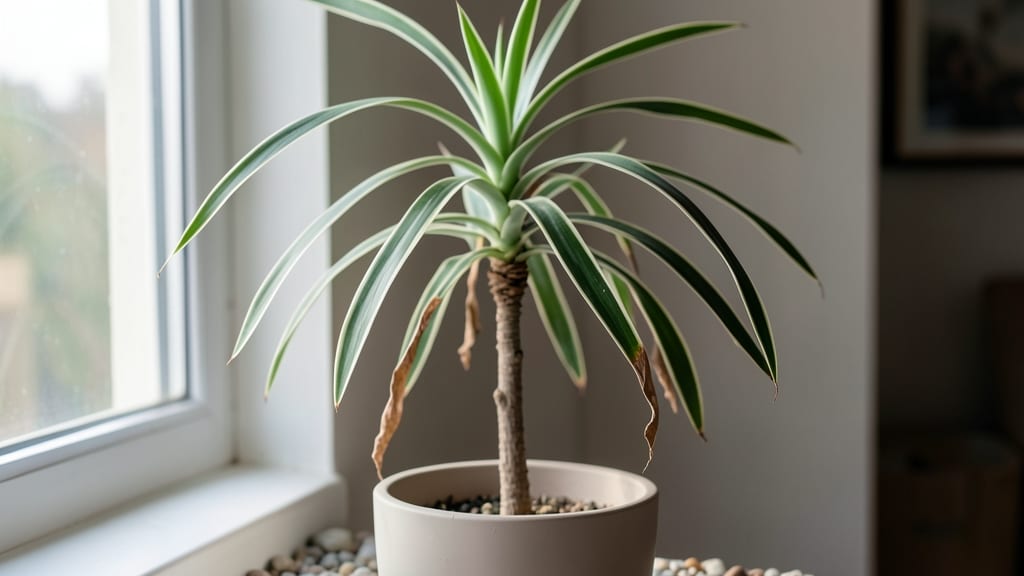
Transforming transit spaces into lush escapes like Singapore’s airport gardens proves that vibrant landscapes belong everywhere. ✨ These urban jungle layers—where orchids cascade alongside tropical shrubs—create year-round color while serving as serene havens for weary travelers.
The secret lies in smart plant layering: towering palms frame delicate ferns at ground level, while fragrant blooms like frangipani and bougainvillea weave through vertical gardens.
The magic isn’t just in the plants but in how they’re arranged. Singapore’s horticulturists use modular planters and drip irrigation to maintain lushness without waste, while native species like the durian tree and butterfly orchid thrive in the humid climate.
Even small spaces can mimic this effect with container gardens and climbing vines—think vertical greenery on fences or hanging baskets of trailing petunias.
What makes these gardens special is their dual purpose: they beautify while reducing stress. The scent of jasmine at dawn, the rustling of palm fronds in the breeze—these details turn concrete into a retreat.
You can recreate this at home or in public spaces by focusing on textural contrast (smooth leaves next to spiky agave) and seasonal blooms that keep color vibrant year-round.
Start with a single "layer"—perhaps a sun-loving succulent wall or a shade-tolerant fern bed—then build upward. The key is repetition: cluster plants with similar care needs together, and let their natural shapes guide the design. Even a balcony can become a miniature airport garden with the right approach.
📚 In This Guide
- What you need
- Instructions
- Tips and common mistakes
- Wrapping up and next steps
What you need
- ● Soil: 1 bag (20L) high-quality potting mix (look for organic, well-draining blends like Miracle-Gro All Purpose)
- ○ 1 bag (10L) coco coir or perlite (for aeration—optional but recommended for tropical plants)
- ● Plants (Choose 3-5 varieties for layers): Tall Layer (2-3 ft): 2-3 Dracaena marginata (Dragon Tree) or Ficus elastica (Rubber Plant)
- ● Mid Layer (1-2 ft): 3-4 Peperomia or Fittonia (Nerve Plant) for vibrant foliage
- ● Low Layer (Ground Cover): 5-6 Fittonia albivenis or Sedum (Stonecrop) for texture
- ○ Flowering Accents (Optional): 2-3 Impatiens or Begonias (for pops of color)
- ● Containers: 1-2 large planters (12-18 inches deep) or hanging pockets (for vertical gardens)
- ● 1 drip tray (to catch runoff—essential for urban setups!)
- ● Essentials: 1 trowel (for planting)
- ● 1 spray bottle (for misting tropical plants)
- ● 1 garden gloves (to keep hands clean)
- ● 1 measuring cup (for soil amendments)
- ○ Optional (But Helpful!): 1 self-watering system (like Lechuza for hands-off care)
- ● 1 LED grow light (if indoors/low light)
- ● 1 mulch (to retain moisture—orchid bark works well)
- ● Location: Partial sun to shade (mimicking Singapore’s humid climate). Avoid direct midday sun for tropical plants.
- ● Water Access: A water source nearby (or a portable watering can for flexibility).
- ● Time Commitment: 10-15 minutes daily for watering/misting (or invest in a smart irrigation system!).
- ● Knowledge Level: Beginner-friendly! No green thumb required—just love for lush layers. 😊
How to create a lush urban jungle garden like Singapore airport
This layered approach mimics Singapore's iconic airport gardens—vibrant, low-maintenance, and built for small spaces.
🌱 Step 1: Plan Your Vertical Layers for Maximum Impact
Start by dividing your space into three vertical zones: tall structural plants (6-8 feet), mid-height foliage (2-4 feet), and ground cover (under 2 feet). I like to use dwarf schefflera as my tall anchor—it tolerates dry air and filtered light while providing instant height. Place it in the back corner of your container or against a wall.
For mid-height, dwarf ferns or calathea add lush texture without overwhelming the space. These thrive in 50-70% humidity and indirect light, just like Singapore's indoor gardens. Arrange them in clusters of three for a natural, jungle-like feel. The key here is odd-number groupings—they look fuller and more intentional.
🪴 Step 2: Select Containers with Drainage and Aesthetic Flow
Choose rectangular planters (18x12x12 inches) for a modern look—Singapore’s airport gardens use clean lines and neutral tones. Each planter should have at least three drainage holes to prevent root rot, which is a common killer in urban settings. I line the bottom with 1 inch of gravel before adding soil to ensure excess water drains away from roots.
Group containers in odd-numbered clusters (three or five) for visual balance. Place taller plants toward the back and shorter ones in front, creating depth. The Singapore Airport gardens use mixed materials—some planters are sleek concrete, others are woven rattan—so don’t be afraid to mix textures. Just ensure all containers are sturdy enough to hold mature plants without tipping.
☀️ Step 3: Layer Soil and Plants for Year-Round Thriving
Fill each container with 3 gallons of well-draining potting mix mixed with 1 cup perlite per planter. This blend mimics Singapore’s nutrient-rich, fast-draining soils. Add a slow-release fertilizer (like osmocote) to the bottom layer—this ensures steady growth without frequent feeding. Water thoroughly until it drains from the bottom, then let it sit for 10 minutes before planting.
Start with your tallest plant in the center back of the container. Dig a hole twice as wide as the root ball but only as deep as the top of the roots. Place the plant in, then fill around it with soil, pressing gently to remove air pockets. For mid-height and ground cover plants, arrange them in a slightly staggered pattern—this creates a cascading effect that looks intentional and hides soil over time.
💧 Step 4: Water and Maintain for Low-Effort Lushness
Water deeply every 3-4 days during the first month to help roots establish. After that, check soil moisture by sticking your finger 1 inch deep—if it feels dry, water until it runs out the drainage holes. Singapore’s humid climate means plants here rarely need misting, but if your home runs dry, a pebble tray with water beneath containers adds moisture without overwatering.
Fertilize once a month during spring and summer with a balanced liquid fertilizer (10-10-10). In winter, cut back to every 6 weeks—Singapore’s airport gardens use slow-release fertilizers to minimize maintenance. Prune leggy growth by pinching back tips to encourage bushier growth. Deadhead spent blooms on annuals like impatiens to keep them flowering year-round.
✂️ Step 5: Add Finishing Touches for a Polished Look
Weave in air plants (tillandsia) along the edges of containers or hang them from macramé holders. These thrive on neglect and add a modern, architectural touch—just like the orchids and bromeliads in Singapore’s airport gardens. For color pops, tuck in annuals like calibrachoa (they spill over edges beautifully) or small succulents in the front for contrast.
Finally, add decorative rocks or moss to cover bare soil and prevent evaporation. I like to use small pebbles in neutral tones—they mimic Singapore’s natural landscapes while keeping the look clean and urban. Step back and adjust any plants that look crowded. The goal is a full, layered look that feels intentional, not crammed.
Tips & tricks for perfect urban jungle layers
Creating a Singapore-inspired urban jungle isn't just about throwing plants together—it's about strategic layering that mimics the airport's iconic design. Here's how to elevate your setup from good to show-stopping.
Layering Secret: In Step 1, when arranging your three vertical zones, think about the "rule of thirds" from photography. Place your tallest plant (like dwarf schefflera) in the back third of the container, mid-height plants (dwarf ferns or calathea) in the middle third, and ground cover in the front. This creates that signature depth Singapore's gardens are known for—almost like a living waterfall. The staggered pattern mentioned in Step 3 is where the magic happens for that organic, intentional look.
Drainage Hack: That 10-minute wait after watering in Step 3 isn't just arbitrary—it's crucial for preventing soggy soil. Use this time to gently press down the soil around your plants (especially the tall anchor) to eliminate air pockets. Pro tip: Tap the sides of the container lightly with your palm to help settle everything without compacting too much. This mimics how Singapore's gardeners create that perfectly balanced, airy soil structure.
Container Material Matters: While the instructions mention mixing materials, here's what nobody tells you: concrete planters stay cooler in summer and retain moisture longer, while woven rattan allows for better airflow to roots. For urban spaces with fluctuating temperatures, I recommend using concrete for your tall structural plants and rattan for mid-height and ground cover. This combination gives you the best of both worlds—stability and breathability.
Lighting Strategy: Singapore's airport gardens thrive in indirect light, but most urban homes have inconsistent lighting. Place your containers near east-facing windows for gentle morning light, then rotate them quarter-turn every few days to ensure even growth. If you're working with fluorescent office lighting, supplement with a small LED grow light for 4-6 hours daily—this mimics the tropical light conditions Singapore's plants are accustomed to.
Pro Tips for Singapore Airport Gardens
- Creating a Singapore-inspired urban jungle isn't just about throwing plants together—it's about strategic layering that mimics the airport's iconic design.
- Layering Secret: In Step 1, when arranging your three vertical zones, think about the "rule of thirds" from photography.
- Drainage Hack: That 10-minute wait after watering in Step 3 isn't just arbitrary—it's crucial for preventing soggy soil.
Frequently asked questions
Got questions about creating your own Singapore Airport Gardens-inspired urban jungle?
Here are answers to the most common queries to help you grow lush, year-round color with confidence!
What’s the best time of year to start planting these garden layers?
For year-round color, plant in stages: Start with ground covers (like creeping thyme or sweet potato vine) in early spring (March–April) when soil warms. Add mid-height plants (e.g., coleus or ferns) in late spring (May–June) for texture, then top with tall perennials (e.g., cannas or ornamental grasses) by summer (July–August). In Singapore’s tropical climate, you can plant anytime—just ensure containers have drainage!
How long does it take to see full “jungle” layers in my garden?
Patience pays off! Ground covers and fast growers (like Lantana or Alternanthera) may show results in 4–6 weeks. Mid-height plants take 8–12 weeks to fill out, while taller varieties (e.g., Bird of Paradise) can take 3–6 months to reach maturity. Pro tip: Use container depth to your advantage—deeper pots (12"+) let roots establish faster!
Can I recreate these gardens in small spaces like balconies or rooftops?
Absolutely!
Singapore Airport Gardens thrive in containers. Use stackable planters (e.g., 6"–12" deep) for vertical layers, or hang baskets for trailing plants like string of pearls or creeping fig. For rooftops, prioritize lightweight soil mixes and wind-resistant plants (e.g., Dracaena or Yucca). Just ensure 6+ hours of sunlight daily for vibrant blooms!
What’s the trick to keeping these plants lush in Singapore’s humid climate?
Humidity is your friend, but overwatering kills more than drought! Water deeply 2–3x/week (adjust for rain), and use well-draining soil mixes (e.g., 60% potting soil + 30% perlite + 10% coco coir). Troubleshoot: Yellow leaves? Check drainage—root rot is common. Brown edges? Reduce humidity with a fan or shade cloth. Mulch with orchid bark to retain moisture without suffocating roots.
Are there low-maintenance alternatives to high-growth plants like cannas?
Yes! Swap cannas for slow-and-steady perennials like:
- Dwarf Schefflera (tropical, 3–4 ft tall, drought-tolerant)
- Mondo Grass (ground cover, thrives in shade)
- Hibiscus ‘Pink Pearl’ (compact, blooms year-round)
- Succulents (e.g., Haworthia) (needs zero humidity fuss)
Wrapping up and next steps
Transforming Singapore’s bustling airport into a vibrant garden isn’t just about aesthetics—it’s a testament to how urban greenery can thrive year-round with the right techniques.
By layering plants like Spathiphyllum (peace lilies) for shade, Heliconia for bold pops of color, and ground covers for texture, you’re not just creating beauty—you’re building a resilient, low-maintenance ecosystem that adapts to Singapore’s tropical climate.
Ready to bring this vision to life? Start small—pick one corner of your space, gather your materials, and let nature do the rest. Your urban jungle awaits! 🌿✨