
Tools
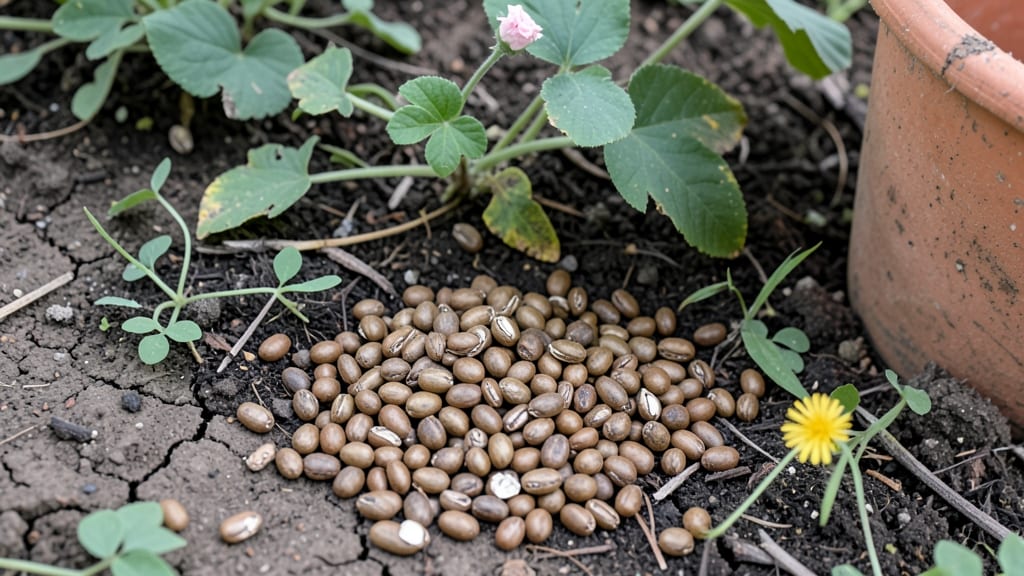
My rusted garden seeds once looked like a lost cause—until I discovered how to carefully extract the good seeds hiding underneath. That orange-brown coating isn’t always a death sentence, but it does mean you’ll need patience and the right technique to save what’s left.
The rust forms when seeds sit too damp or in poor air circulation, creating the perfect conditions for mold and bacteria. But don’t toss those seeds just yet—many varieties can still germinate if you act quickly. The key is separating the viable seeds from the damaged ones without spreading contamination.
With a simple screening process and a little elbow grease, you’ll uncover seeds ready for planting. I’ve revived enough rusted batches to fill a whole seed packet—just follow the steps, and you’ll have fresh starts without breaking the bank.
Once you’ve cleaned them, proper storage in a cool, dry place will keep future seeds rust-free. A small investment in airtight containers now means fewer headaches later. Let’s get those seeds back in shape!
Hidden Culprits Behind Seed Corrosion
When your garden seeds develop a rusty appearance, it’s rarely just bad luck—it’s usually a mix of environmental factors and material weaknesses. Understanding these causes helps you prevent future damage and revive affected seeds. Here’s why it happens:
Seeds are designed to stay dry until planting, but excess moisture is their worst enemy. Rust forms when iron in the seed coating reacts with oxygen and water—a process called oxidation. This is especially common in:
- Humid climates: High humidity creates a damp environment where condensation forms on seed packets or stored containers.
- Improper storage: Plastic bags or sealed containers trap moisture, accelerating rust formation.
- Rain exposure: Leaving seeds outdoors during wet weather invites corrosion.
Pro tip: 🌡️ Store seeds in airtight, moisture-resistant containers with silica gel packets to absorb excess humidity.
Many commercial seeds have thin metal coatings (like copper or zinc) to enhance germination or deter pests. When these coatings degrade, they react with moisture and oxygen, producing rust-like stains. This is more common in:
- Older seed batches: Coatings wear down over time, exposing raw metal.
- Low-quality seeds: Cheaper seeds may use thinner, less durable coatings.
- Acidic soil contact: If seeds are pre-treated with acidic fertilizers, it speeds up metal breakdown.
Pro tip: ✨ Check seed labels for metal-free or rust-resistant coatings—some brands prioritize corrosion protection.
Extreme temperature fluctuations (like freezing nights followed by hot days) cause seeds to sweat—condensation forms on their surfaces, kickstarting rust. Poor airflow in storage also traps moisture. Key triggers include:
- Unstable storage conditions: Basements, garages, or attics with no temperature control.
- Direct sunlight exposure: Heat expands metal coatings, making them more prone to oxidation.
- Stacked seeds without gaps: Seeds packed tightly can’t dry out, leading to trapped moisture.
Pro tip: 🏡 Store seeds in a cool, dry place (50–60°F) with a small fan or dehumidifier to improve airflow.
If seeds are pre-treated with iron-rich fertilizers or planted in soil with high iron content, the metal can leach into the seed coating, causing rust. This is common in:
- Iron supplements: Over-fertilized seeds may have residual iron clinging to their surfaces.
- Clay-heavy soils: Clay retains moisture and can introduce iron oxides to seeds.
- Acidic soil amendments: Vinegar or sulfur-based treatments accelerate metal corrosion.
Pro tip: 💡 Rinse seeds gently with distilled water before planting if they’ve been exposed to iron-heavy soils or fertilizers.
Fixing Damaged Seed Storage
Discovering rusted garden seeds can be frustrating, but the good news is that many seeds can still be salvaged with the right approach.
Below, we’ve mapped out practical solutions based on the most common causes of rust and seed degradation, along with prevention tips to keep your future seed stash safe.
If your seeds have developed rust due to dampness or poor storage conditions, act fast to minimize further damage.
🧹 Step-by-Step Cleaning & Drying
- 🧴 Remove Affected Seeds
- Gently separate rusted seeds from healthy ones using a fine mesh sieve or tweezers. Discard heavily corroded seeds—they won’t sprout well.
- 💧 Rinse with Hydrogen Peroxide (3%)
- Soak seeds in a 1:1 ratio of hydrogen peroxide to water for 5–10 minutes to kill mold spores and rust bacteria. Rinse thoroughly with clean water afterward.
- 🌡️ Dry Completely
- Spread seeds on a paper towel in a well-ventilated area (or use a food dehydrator on low heat). Ensure they’re bone-dry before storing—this prevents future rust.
- ✨ Optional: Sunlight Disinfection
- Place dried seeds in a paper bag and leave them in direct sunlight for 2–3 hours. UV rays can help sterilize remaining spores.
💡 Prevention Tips
- ⚡ Use Silica Gel Packets in seed storage containers to absorb excess moisture.
- 📦 Store in Airtight, Food-Grade Containers (glass jars or Mylar bags with oxygen absorbers work best).
- 🌬️ Keep Seeds in a Cool, Dry Place (ideal temp: 40–50°F with 30–50% humidity).
- 🔄 Rotate Your Seed Stock—plant older seeds first to avoid long-term storage risks.
Some seeds are simply too old or low-quality to salvage, but you can still maximize what’s left.
🔍 Assess Seed Viability
- 🧪 Conduct a Float Test
- Fill a bowl with water and drop seeds in. Floating seeds are dead; sinkers may still sprout. Discard the floaters immediately.
- 🌱 Test a Small Batch
- Plant 5–10 cleaned seeds in moist paper towels or soil. If 50% or fewer sprout within a week, the rest may not be worth saving.
🌱 Maximizing Remaining Seeds
- 🌿 Use for Microgreens or Sprouts – Even if germination rates are low, some seeds can still produce edible sprouts or microgreens.
- 🌻 Donate to Community Gardens – Many local gardens accept seeds for educational purposes.
- 🔄 Compost the Rest – If seeds are beyond use, return them to the earth as nutrient-rich compost.
💡 Prevention Tips
- 📅 Label Seeds with Purchase Dates – Most seeds last 1–5 years (check seed packets for specifics).
- 🌱 Buy from Reputable Suppliers – Avoid seeds with pre-existing rust or discoloration.
- 🌡️ Store in a Freezer for long-term preservation (up to 10+ years for some varieties).
If mold, insects, or fungal growth caused the rust, deeper intervention is needed.
🚫 Sanitize & Sterilize
- 🧴 Vinegar Soak (For Fungal Rust)
- Mix 1 part white vinegar with 3 parts water and soak seeds for 10 minutes. Rinse well—vinegar’s acidity kills fungal spores.
- 🐜 Treat for Pests
- If pests (like weevils) are present, freeze seeds for 48 hours to kill larvae. Then, repeat the drying process.
- 🧴 Essential Oil Spray (Optional)
- Mix 1 tsp neem oil or tea tree oil with 1 cup water and lightly mist seeds (let dry completely before storing).
💡 Prevention Tips
- 🐜 Use Diatomaceous Earth in storage containers as a natural pest deterrent.
- 🌿 Avoid Storing Near Pesticides or Chemicals—fumes can accelerate rust.
- 🔍 Inspect Seeds Before Storage – Look for holes, webbing, or discoloration before sealing containers.
With these targeted fixes, you can revive usable seeds and prevent future rust—saving both your garden and your sanity. Happy planting! 🌱✨
Frequently asked questions
Can I still plant seeds that look rusted?
Yes, but only if the rust is superficial and the seeds are otherwise healthy. First, separate viable seeds from heavily corroded ones using a fine mesh sieve. Soak them in a 3% hydrogen peroxide solution for 5-10 minutes to kill mold, then dry completely before planting. If the rust is severe or accompanied by mold, discard those seeds.
What causes rust on garden seeds?
Rust forms when metal coatings on seeds (often copper or zinc) react with moisture and oxygen—a process called oxidation. Common triggers include high humidity, improper storage (like sealed plastic bags), temperature fluctuations, and exposure to acidic fertilizers. Even condensation in damp environments can accelerate rust formation.
How do I know if rusted seeds will still germinate?
Perform a float test: Drop seeds in water—floaters are dead, but sinkers may still sprout. For a more accurate check, plant 5-10 seeds in moist paper towels. If 50% or more germinate within a week, the remaining seeds are likely viable. If germination is poor, compost the rest.
Can I prevent rust in my seed storage?
Store seeds in airtight, moisture-resistant containers with silica gel packets. Keep them in a cool, dry place (40–50°F) with good airflow, and avoid exposure to direct sunlight or temperature swings. Label seeds with purchase dates and rotate your stock—plant older seeds first.