
Tools
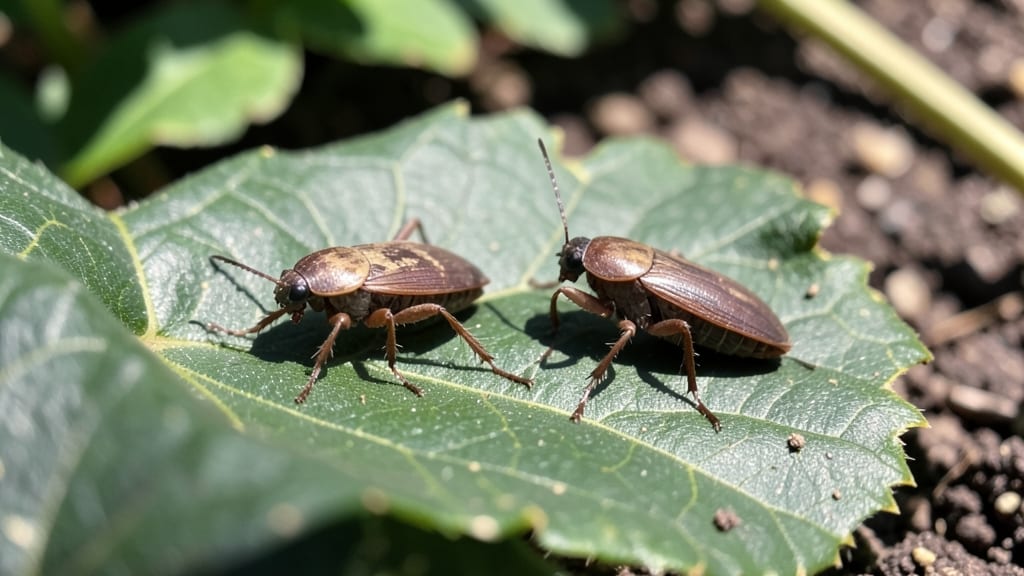
When those pesky roaches in the garden started invading my tomato plants, diatomaceous earth traps became my secret weapon—and they worked faster than I expected. only solution that doesn’t rely on harsh chemicals or traps that just move the problem indoors.
The key is placing food-grade diatomaceous earth in shallow containers with a little water—roaches get trapped in the dust and dehydrate. Unlike sticky traps, this method eliminates them completely, not just captures them.
It’s also safe for plants and pets once fully dry, so you can use it right next to your veggies without worry.
By morning, you’ll notice fewer roaches scurrying around, and within a few days, your garden will feel like their old territory again. The best part? It’s a one-time setup that keeps working until it rains—just reapply after heavy watering. No more sneaking pests in your harvest!
Works for German roaches, smoky browns, and even earwigs—basically any creepy-crawler that invades your garden. Here’s how to set it up right the first time.
Hidden Attractants Drawing Them In
Roaches in your garden aren’t just a random nuisance—they’re following a scent trail straight to your yard. Understanding what’s luring them helps you disrupt their invasion before it starts. Here’s why these pests keep showing up, and what’s making your garden their new favorite hangout.
Roaches are scavengers at heart, and your garden’s natural waste is like an all-you-can-eat buffet for them. Decaying plant matter, fallen fruit, and overripe vegetables release sugars and organic acids that roaches can’t resist.
Even something as simple as a single dropped apple core can trigger a roach feast, leaving behind pheromone trails that signal, “Free food here!”
💡 Pro Tip: Clear fallen leaves, fruit, and garden waste weekly. Use a compost bin with a tight lid—roaches will chew through loose piles in minutes. If you’re growing crops like tomatoes or berries, harvest promptly to avoid attracting them.
Roaches need water to survive, and damp soil, mulch, or standing water in your garden creates the perfect humid microclimate. German roaches, in particular, thrive in 60-70% humidity, while outdoor species like smoky brown roaches seek out shady, moist hiding spots under logs, rocks, or dense mulch.
🌡️ Why It Matters: Overwatering or poor drainage turns your garden into a roach breeding ground. Even a small leaky hose or clogged gutter can create a moisture hotspot. These pests will travel up to 100 feet for water, so if your yard is soggy, they’ll keep coming back.
🔥 Fix It:
- Improve drainage with gravel or sand in planting beds.
- Avoid piling mulch too thickly—keep it 2-3 inches deep.
- Store firewood and debris at least 20 feet from your home.
Some plants naturally attract roaches due to their high sugar or fermenting compounds. Citrus trees, overripe figs, and fermenting fruit (like grapes or peaches) emit volatile organic compounds (VOCs) that roaches detect from up to 30 feet away. Even herbs like mint or basil can sometimes draw them in if they’re wilting or rotting.
🎯 Actionable Swap: If you love these plants, harvest them regularly and remove fallen leaves immediately. For a roach-repelling garden, consider marigolds, lavender, or catnip—their strong scents mask food odors that attract pests.
If your garden borders your home or patio, unsecured trash cans, pet food left outside, or even birdseed can create a roach superhighway. Cockroaches are opportunistic feeders—they’ll eat almost anything, including:
- 🍞 Bread crumbs or spilled snacks
- 🥛 Pet food left in bowls overnight
- 🐦 Birdseed spilling onto patios
- 🍺 Open beer bottles or soda cans
Once they find a food source near your home, they’ll colonize your garden as a staging ground before moving indoors.
🔪 Cut Off the Supply:
- Use metal trash cans with locking lids.
- Store pet food in airtight containers.
- Avoid feeding birds close to your home—opt for feeders 10+ feet away.
Roaches love dark, undisturbed spaces where they can hide during the day and reproduce undetected. Stacks of firewood, leaf litter, or unkempt garden tools provide the perfect shelter. A single 10x10-foot pile of leaves can house hundreds of roaches and their egg cases.
✨ Declutter Like a Pro:
- Store firewood elevated and off the ground (use pallets).
- Keep garden tools hanging or in a shed.
- Break down cardboard boxes immediately—roaches chew through them in hours.
How to Fix Unwanted Garden Crawlers
Discovering unwanted critters like roaches in your garden can feel like a nightmare, but don’t panic—there are effective, natural, and easy-to-implement solutions to reclaim your outdoor space. The key is addressing the root cause while using targeted fixes.
Below, we break down the most common reasons roaches invade gardens and the best ways to eliminate them for good.
Roaches thrive in damp, rotting environments where they can hide and breed. If your garden has piles of fallen leaves, mulch, or compost that’s too wet, it’s an all-you-can-eat buffet for these pests.
🍳 Fix: Dry Out & Declutter
- Remove debris: Clear away leaf litter, rotting wood, and excess mulch from garden beds and under plants. Pro tip: 💡 Use a rake or leaf blower to speed up cleanup.
- Improve drainage: Ensure garden beds have proper airflow and drainage. Avoid overwatering—roaches love soggy soil.
- Diatomaceous earth (DE) barrier: Sprinkle food-grade DE around the perimeter of your garden. It dehydrates roaches on contact. Reapply after rain.
Stagnant water in birdbaths, clogged gutters, or poorly drained areas attracts roaches and other pests. They use these spots to hydrate and lay eggs.
🥘 Fix: Eliminate Standing Water
- Drain excess water: Empty saucers under pots, fix leaky hoses, and ensure gutters direct water away from your garden.
- Add mosquito dunks: These contain Bacillus thuringiensis israelensis (Bti), a natural bacteria that kills mosquito larvae—and roaches avoid the treated water.
- Use gravel or sand: Replace mulch in problem areas with coarse gravel or sand to reduce moisture retention.
Roaches are scavengers. If your garden has easy access to food—like overripe fruit, spilled pet food, or unsecured trash—they’ll move in permanently.
⏰ Fix: Secure Food & Waste
- Harvest promptly: Pick fallen fruit, vegetables, or nuts from the ground daily. Pro tip: 🌡️ Store produce in sealed containers if left out overnight.
- Pet food stations: Feed pets indoors or use elevated, lidded feeders. Never leave pet food outside overnight.
- Trash management: Use sealed bins with tight-fitting lids. Rinse cans and bottles before disposal to remove residue.
- Bait stations: Place boric acid or DE bait stations near entry points (like under decks or sheds) to lure and kill roaches.
Roaches love dark, secluded areas where they can hide during the day. Piles of rocks, dense foliage, or unmaintained garden structures create perfect hiding spots.
🎯 Fix: Remove Hiding Places
- Prune overgrown plants: Trim back thick bushes and vines to reduce shade and hiding spots.
- Inspect garden structures: Check sheds, toolboxes, and wooden furniture for cracks or gaps. Seal with caulk or steel wool to block entry.
- Use light: Install motion-sensor lights or solar-powered path lights around the garden perimeter. Roaches avoid well-lit areas.
- Natural repellents: Spritz plants with a mix of peppermint oil (10 drops per gallon of water)—roaches hate the scent! Reapply every 2–3 days.
Once you’ve eliminated the roaches, keep them from returning with these proactive steps:
- Regular maintenance: Weekly garden tidying prevents buildup of debris and moisture.
- Seasonal checks: Before winter, clear out garden beds and store tools in dry areas.
- Compost wisely: Keep compost bins elevated, covered, and away from garden edges.
- Monitor nearby structures: Check fences, decks, and patios for roach activity and treat early.
- Encourage predators: Attract birds, lizards, and beneficial insects (like ground beetles) to your garden—they eat roaches!
With these targeted fixes, your garden will go from a roach buffet to a pest-free paradise in no time. Stay consistent, and you’ll keep these unwanted guests out for good!
Frequently asked questions about garden roaches
What types of roaches are most likely to invade my garden?
Outdoor gardens commonly attract smoky brown cockroaches and American roaches, which thrive in moist, shaded areas. German roaches may also appear if they migrate from indoor spaces. These pests prefer decaying organic matter, so overripe fruit or damp mulch makes your garden their ideal habitat.
How do I know if roaches are damaging my plants?
Check for chewed leaves, stems, or flowers—roaches eat nearly anything green. They also leave behind black fecal pellets on soil or plant surfaces. If you spot these signs near your veggies or herbs, act fast to prevent further damage.
Is diatomaceous earth safe for my garden plants?
Yes! Food-grade diatomaceous earth (DE) is non-toxic to plants, pets, and humans once fully dry. Just avoid applying it when rain is expected—it needs time to work. Sprinkle lightly around plant bases or garden edges to create a natural barrier.
Will peppermint oil really keep roaches away?
Roaches hate peppermint’s strong scent. Mix 10 drops of peppermint oil with 1 gallon of water, spray around garden perimeters, and reapply every 2-3 days after rain. For extra protection, add a few drops to your compost bin or mulch.
How long does it take to see results with natural repellents?
With consistent use, you’ll notice fewer roaches within 3-5 days. Diatomaceous earth works immediately on contact, while peppermint oil and other repellents build up effectiveness over time. Combine methods (like DE + peppermint) for faster, long-term results.