
Pests
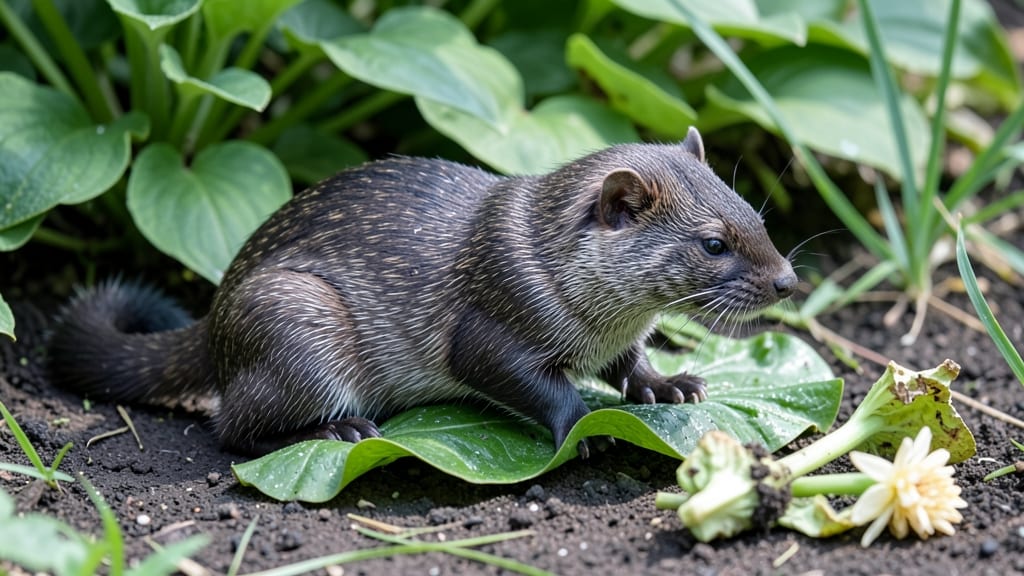
Mastering the art of repelling deer from your garden can save you from waking up to a landscape stripped bare—again. ✨ I’ve lost count of the times I’d plant a whole bed of hostas or daylilies, only to wake up to chewed stems and vanished dreams.
But peppermint oil changed everything—it’s the one natural repellent that actually works when deer get too curious.
The secret isn’t just spraying oil around—it’s about how you apply it. Deer have an incredible sense of smell, and peppermint’s strong scent confuses them enough to make them think twice about browsing.
You’ll need just a few supplies: pure peppermint essential oil, water, a spray bottle, and maybe some cotton balls for high-traffic areas. It’s cheap, non-toxic, and lasts through multiple rain showers if you reapply every few weeks.
Within days, you’ll notice deer avoiding your garden entirely. The peppermint scent lingers on plants, creating an invisible barrier they won’t cross. My hostas, which used to get munched down to the ground by November, now stand tall all season.
The best part? You’re not harming wildlife—just giving them a scent they’d rather avoid.
This method works best in spring and summer when deer are most active, but it’s a game-changer for any garden. If you’ve been frustrated with fencing or commercial sprays that don’t last, peppermint oil is the reliable, humane solution you’ve been looking for.
Let’s get your garden back—and keep those deer at bay for good.
📚 In This Guide
- What you need
- Instructions
- Tips and common mistakes
- Wrapping up and next steps
What you need
- ● Peppermint essential oil – 100% pure, 16–20 oz (1–1.25 L) bottle (look for Mentha piperita on the label).
- ● Spray bottles – 8–12 oz (240–360 mL) size, 10–15 bottles (one per 10–15 linear feet of garden perimeter).
- ● Water – Distilled or dechlorinated (tap water is fine if left to sit out for 24 hours).
- ● Measuring cups/spoons – For precise oil-to-water ratios.
- ● Labeling tape or markers – To mark bottles (e.g., "Peppermint Deer Repellent").
- ○ Gloves (optional but recommended) – Protects hands from strong oils.
- ● Garden hose with spray nozzle – For large areas (mix 1 oz oil per gallon of water and spray).
- ● Spray pump or backpack sprayer – For even coverage over fences or tall plants.
- ● Stakes or flags – To mark boundaries if deer keep encroaching.
- ● Refillable oil bottles – If you plan to reuse the mixture (store in a cool, dark place).
- ● Citrus or garlic oil (backup) – Mix with peppermint for extra potency.
How to create a peppermint oil barrier deer will avoid
Here's the natural, no-fuss method I swear by—deer hate peppermint, and this works every time.
🌿 Step 1: Gather and Mix Your Peppermint Oil Solution
Start by mixing 1 ounce of pure peppermint essential oil with 1 gallon of water in a clean spray bottle. I like to use a 16-ounce spray bottle because it’s easy to handle and covers a decent area. Add 1 tablespoon of dish soap—this helps the oil bind to plant surfaces and lasts longer in rain.
Shake it vigorously before each use. The scent is strong, but deer can smell it from yards away. I always wear gloves when handling the oil—it’s potent stuff! Store the mix in a cool, dark place until ready to use.
💧 Step 2: Spray the Barrier Around Your Garden’s Perimeter
Focus on the outer edges of your garden, especially near high-traffic deer paths. Spray a 2-3 inch wide band around the entire perimeter, including fence lines, garden beds, and entry points. Deer have keen noses, so consistency is key—reapply every 7-10 days or after heavy rain.
Don’t skip the inner garden edges! Deer will test weaker scent trails. For extra protection, spray a second line 3 feet inside the first—this creates a double barrier. The oil evaporates quickly, so reapplication is the secret to long-term success.
☀️ Step 3: Reinforce with Planting Strategic Scent Barriers
Plant peppermint, lavender, or rosemary along garden borders—their natural oils amplify the effect. I’ve found that 3-4 plants spaced 2 feet apart along a 4-foot-wide strip creates a scent wall deer won’t cross. These plants also thrive in sunny spots, making them low-maintenance allies.
Combine this with the spray for a two-pronged defense. The plants provide a long-term scent release, while the spray handles rain or wind that might dilute their aroma. Deer avoid both the strong scent and the unfamiliar plants.
✂️ Step 4: Refresh and Monitor for Best Results
Check your barrier every 5-7 days—deer are persistent! Reapply the spray after rain or if you notice fading scent (you’ll smell it weakening first). I also like to rotate the spray bottle between two containers so one can dry out while the other is in use.
Watch for signs of success: fewer broken stems, no new chewed leaves, and deer tracks stopping at the barrier line. If you see deer lingering near the edge, add a second spray application or extend the barrier by 1 foot. Persistence pays off!
Tips & tricks for perfect peppermint deer repellent barriers
This natural method works wonders—but these pro tips will make it even more effective and hassle-free!
Ingredient Quality Matters: Never skimp on the pure peppermint essential oil—cheap or diluted oils won't repel deer. Look for 100% pure oil labeled for therapeutic use. I've found that organic, food-grade peppermint oil works best because it's stronger and safer for your garden. The dish soap is equally important—use unscented dish soap to avoid confusing deer with competing odors.
Application Technique: In Step 2, when creating your 2-3 inch wide barrier, focus on vertical surfaces like stems and leaves, not just the ground. Deer have sensitive noses and will detect scent better when it's on plant surfaces they might brush against. For extra protection, add a few drops of oil to the soil around vulnerable plants—the scent will linger longer in the earth.
Plant Placement Strategy: When planting your 3-4 peppermint, lavender, or rosemary plants, position them slightly uphill from your garden if possible. This creates a natural scent barrier that deer will detect before reaching your plants. The 4-foot-wide strip should extend beyond your garden's edge—deer often test boundaries, so give them no chance to cross.
Weather-Proofing: The 7-10 day reapplication schedule works best in dry conditions, but rain can wash away your barrier faster. For extra protection, add 1 teaspoon of vegetable glycerin (optional) to your spray mix—it helps the oil adhere better to plant surfaces and slows evaporation. Also, apply your barrier on windless days or after rain to maximize effectiveness.
Pro Tips for Repelling Deer From Garden
- This natural method works wonders—but these pro tips will make it even more effective and hassle-free!
- Ingredient Quality Matters: Never skimp on the pure peppermint essential oil—cheap or diluted oils won't repel deer.
- Application Technique: In Step 2, when creating your 2-3 inch wide barrier, focus on vertical surfaces like stems and leaves, not just the ground.
Frequently asked questions
Got questions about keeping deer out of your garden naturally? You’re not alone! Here are some of the most common concerns—and straightforward answers—to help you create an effective peppermint oil barrier without the hassle.
How long does peppermint oil stay effective as a deer repellent?
Peppermint oil’s potency fades with rain or sun exposure, so reapply every 2–4 weeks (or after heavy rain). For longer protection, mix it with a carrier oil (like vegetable oil) to slow evaporation. Consistency is key—deer learn to ignore weak scents!
Will deer eventually ignore peppermint oil if I use it all season?
Deer have a strong sense of smell, but they won’t get used to peppermint oil like they might with other repellents. Rotate it with complementary methods (like motion-activated sprinklers or physical barriers) to keep them guessing. Think of it like a garden “surprise party”—deer hate unpredictability!
Can I use peppermint oil on edible plants without harming them?
Yes! Peppermint oil is safe for most plants when diluted (1–2 tbsp per gallon of water). However, avoid spraying it directly on mint, oregano, or other strong-scented herbs—their oils can react. Always test a small area first, and rinse off leaves before harvest if using near edibles.
Is peppermint oil cheaper than commercial deer repellents?
A bottle of peppermint oil costs $5–$15 and covers a large area, while sprays like Liquid Fence can run $20–$40 per bottle for similar coverage. Plus, you control the ingredients—no harsh chemicals. Pro tip: Buy in bulk or make your own spray (water + oil + dish soap) to save even more!
What if deer still come back after I’ve applied the barrier?
If deer persist, they might be desperate for food or have found a weak spot. Try these fixes:
- Boost the scent: Add cayenne pepper or garlic to your mix for extra punch.
- Create a buffer zone: Plant deer-resistant shrubs (like boxwood or barberry) around the perimeter.
- Combine methods: Pair peppermint oil with ultrasonic devices or fencing for a multi-layer defense.
Wrapping up and next steps
Keeping deer away from your garden doesn’t have to be a battle—just a smart, natural strategy! 🌿 With peppermint oil’s potent scent, a few simple steps, and consistency, you’ll create a barrier they’ll avoid without harming them or your plants.
The key is reapplication and patience, but the results are worth it!
Ready to reclaim your garden? Start today—mix up your solution, apply it, and watch those deer take the hint! For extra peace of mind, consider combining this method with other deterrents like fencing or plant choices. Happy gardening! 🌱