
Pests
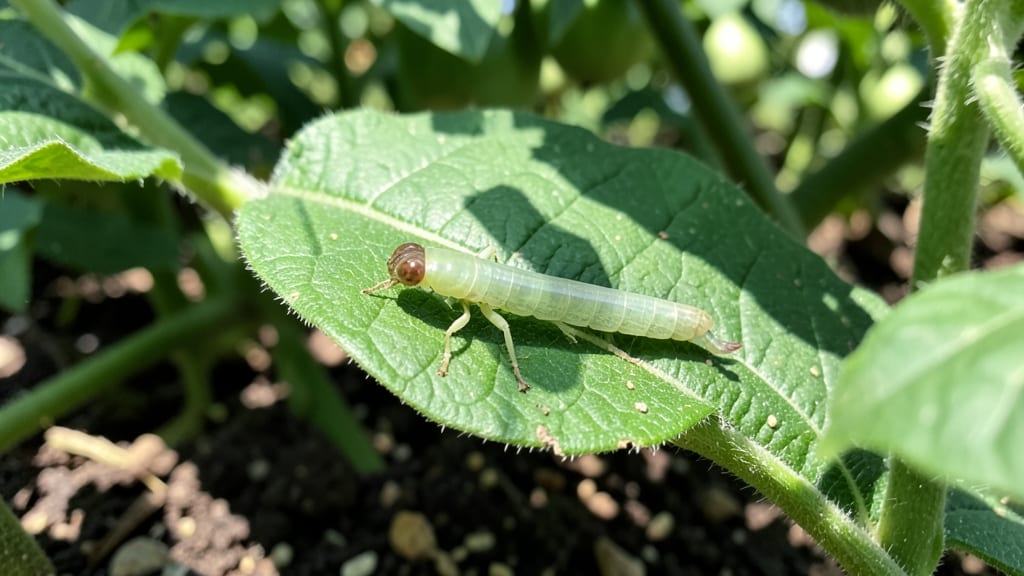
Keeping bugs out of your garden naturally starts with the right plants in the right places. ✨ I’ve lost entire rows of tomatoes to hornworms and watched squash blossoms turn to mush from cucumber beetles—until I discovered how strategic planting and a few simple tricks can turn your yard into a bug-free zone without chemicals.
The secret isn’t complicated: it’s about creating a living barrier that pests avoid. Marigolds, basil, and nasturtiums repel everything from aphids to rabbits, while herbs like thyme and rosemary act as natural deterrents.
You don’t need fancy tools—just a little planning and the right plant lineup. Even my black thumb can pull this off.
By the end of summer, you’ll have a garden where bugs take a detour instead of a feast. The air smells fresher, plants grow stronger, and you skip the guilt of spraying toxins. Plus, the wildlife you do want—like bees and ladybugs—gets to thrive right alongside your veggies.
Works for vegetable patches, flower beds, and even container gardens. Let’s make your yard the neighborhood’s least favorite bug buffet—without a single chemical in sight.
📚 In This Guide
- What you need
- Instructions
- Tips and common mistakes
- Wrapping up and next steps
What you need
- ● Marigolds (10–20 plants) – French marigolds (Tagetes patula) or African marigolds (Tagetes erecta) for strong pest-repelling properties.
- ● Basil (5–10 plants) – Sweet basil (Ocimum basilicum) or Thai basil to deter flies, mosquitoes, and beetles.
- ● Lavender (3–5 plants) – English lavender (Lavandula angustifolia) or Spanish lavender for its fragrant, bug-deterring scent.
- ● Chives or Garlic Chives (3–5 plants) – Allium schoenoprasum to repel aphids, carrot flies, and Japanese beetles.
- ● Mint (1–2 plants) – Peppermint (Mentha piperita) or spearmint (Mentha spicata) (use in containers to prevent spreading!).
- ● Rosemary (2–3 plants) – Rosmarinus officinalis to keep mosquitoes and cabbage moths away.
- ● Nasturtiums (10–15 plants) – Tropaeolum majus (edible flowers!) to deter squash bugs, aphids, and whiteflies.
- ● Diatomaceous Earth (Food-Grade) (1–2 lbs) – For sprinkling around plants (reapply after rain).
- ● Crushed Eggshells (1 cup) – Dried and finely crushed to deter slugs and snails.
- ○ Neem Oil (16 oz bottle) – Optional but effective for spraying (mix with water and a drop of dish soap).
- ● Garden Gloves – To protect your hands while handling materials.
- ● Pruners or Shears – For trimming and planting.
- ● Garden Twine or Stakes – To create a physical barrier if needed.
- ● Watering Can or Hose – For hydrating your new pest-repelling plants!
- ● 🌱 Plant Strategically: Place marigolds and basil near veggie patches, while lavender and rosemary work well as borders or near seating areas.
- ● 🌡️ Full Sun = Stronger Repellents: Most of these plants thrive in 6+ hours of sunlight daily—position them accordingly!
- ● ✨ Companion Planting Boost: Pair basil with tomatoes, marigolds with cucumbers, and chives with carrots for maximum pest control.
Step-by-Step instructions for creating a natural bug-repelling garden barrier
Here's the plant-based defense system I've used for years—no sprays, just strategic plants.
🌱 Step 1: Select and Plant Repellent Plants Around Your Garden's Edge
Start by choosing plants known to naturally deter pests. Marigolds, basil, and lavender are my top picks—their strong scents confuse insects while attracting beneficial pollinators. Plant them in a 2-3 foot wide band around your garden's perimeter, allowing 12-18 inches between plants for proper airflow and growth.
I like to intersperse these with taller plants like rosemary and thyme to create a multi-layered barrier. The key is to establish this ring before pests arrive in spring. You'll notice fewer unwanted visitors within weeks as the plants mature and their fragrances strengthen.
🌿 Step 2: Create a Trailing Plant Border for Extra Protection
Add a second line of defense using trailing plants like nasturtiums or creeping thyme along garden edges. These create a physical barrier that pests hesitate to cross while adding vibrant color. Plant them in 6-inch deep trenches filled with potting mix, spacing them 8-10 inches apart along borders.
Here's the thing—trailing plants also help by covering bare soil where pests like to lay eggs. Water them consistently for the first two weeks to establish strong root systems. You'll see them quickly spread to fill gaps, creating an impenetrable green curtain that deters crawling insects.
☀️ Step 3: Maintain the Barrier Throughout the Growing Season
Regular maintenance keeps your natural defense system effective. Deadhead flowers promptly to encourage continuous blooming—the more flowers, the stronger the scent barrier. I also mulch around all plants with 2-3 inches of organic mulch to suppress weeds that might harbor pests.
Watch for any plants showing stress or pest damage. Replace affected plants immediately with new repellent varieties. Healthy plants mean stronger fragrances and better protection. I rotate my marigolds annually to prevent disease buildup in the soil.
💧 Step 4: Enhance with Companion Planting Inside Your Garden
Strategically place repellent plants among your vegetables and flowers. For example, basil near tomatoes deters whiteflies, while lavender near roses keeps aphids away. I plant these companions 12-18 inches from main crops to create localized protection zones.
This internal planting creates a layered defense system that works even if pests breach the outer barrier. You'll notice fewer pest problems in your main growing areas as the companion plants establish their protective scents.
Tips & tricks for perfect natural bug-repelling garden barriers
A few strategic upgrades can transform your garden's defenses from good to impenetrable. These plant-based tricks work with the system you're already creating.
Plant Placement Matters: Position your strongest repellent plants—like lavender and rosemary—along the north and west sides of your garden where pests often first appear. These areas receive more shade and moisture, creating ideal conditions for insect activity. The 2-3 foot wide band in Step 1 should be your first line of defense, but placing taller plants like rosemary on the outer edge creates a visual and aromatic barrier that deters flying insects before they even reach your vegetables.
Layering is Key: Don't just plant your repellent varieties in a single row. In Step 1, you're already creating a multi-layered system by mixing marigolds, basil, and lavender with taller rosemary and thyme. This vertical diversity confuses pests that rely on visual cues to find food. The trailing plants in Step 2 add another dimension by creating that physical green curtain that insects avoid crossing. Think of it like a natural force field—each layer adds another obstacle for pests to navigate.
Seasonal Rotation Strategy: While you're rotating marigolds annually to prevent disease buildup, consider rotating other plants seasonally. In early spring, plant fast-growing nasturtiums along borders—they deter squash bugs and aphids while their bright flowers attract pollinators. Replace them in late summer with catnip or lemon balm, which repel mosquitoes and deer. This rotating approach keeps your defenses fresh and prevents pests from adapting to a single plant's scent.
Hidden Defense Boosters: You can enhance your existing plants' repellent power without adding new varieties. For example, crush a few fresh basil leaves and rub them on tomato stems to deter whiteflies. Or, place small pots of strong-smelling herbs like mint or citronella near garden entry points. These subtle additions amplify the protection you're already creating with your main barrier plants, especially in high-traffic areas where pests might try to bypass your outer defenses.
Pro Tips for Keep Bugs Out Of Garden Naturally
- A few strategic upgrades can transform your garden's defenses from good to impenetrable.
- Plant Placement Matters: Position your strongest repellent plants—like lavender and rosemary—along the north and west sides of your garden where pests often first appear.
- Layering is Key: Don't just plant your repellent varieties in a single row.
Frequently asked questions
What’s the best natural bug repellent for vegetable gardens?
For veggie gardens, neem oil and garlic spray are top choices—both deter pests like aphids and cabbage worms without harming plants. Diatomaceous earth (DE) also works well for crawling insects like slugs and ants. Always apply in the early morning or evening to avoid harming beneficial pollinators.
How often should I reapply natural bug sprays?
Most natural sprays (like soapy water or chili pepper spray) need reapplication every 7–10 days or after rain. Diatomaceous earth loses effectiveness after rain, so reapply as needed. Companion plants (like marigolds or basil) offer long-term protection but may need occasional pruning to maintain their scent barrier.
Will natural methods work for severe infestations?
For heavy pest pressure (e.g., tomato hornworms or Japanese beetles), combine multiple methods: use row covers, introduce beneficial insects (like ladybugs), and apply kaolin clay as a physical barrier. Monitor daily and act fast—natural solutions work best when pests are caught early!
Can I use coffee grounds to keep bugs away?
Yes! Coffee grounds repel slugs, ants, and some beetles while enriching soil. Sprinkle them around plant bases or mix into compost. Pro tip: Avoid overapplying—they can acidify soil over time. Pair with crushed eggshells for extra slug protection.
Do natural repellents work in rainy climates?
Rain can wash away sprays, but companion planting and physical barriers (like row covers) stay effective. Opt for sticky traps or mulch (e.g., cedar chips) to deter pests. Reapply sprays after heavy rain, and focus on soil health—healthy plants resist pests better!
Wrapping up and next steps
Keeping bugs out of your garden naturally is easier than you think—just harness the power of plants and simple, eco-friendly strategies! 🌱 From companion planting to homemade sprays, these methods create a protective barrier that works year-round while keeping your garden thriving.
The best part? You’re not just fighting pests—you’re nurturing a healthier, more resilient garden ecosystem.
Ready to take action? Start by implementing one or two methods this week—whether it’s adding marigolds as a natural repellent or setting up a DIY garlic spray station. Small steps lead to big results, and soon, your garden will be the envy of the neighborhood! 🌿✨