
Tools
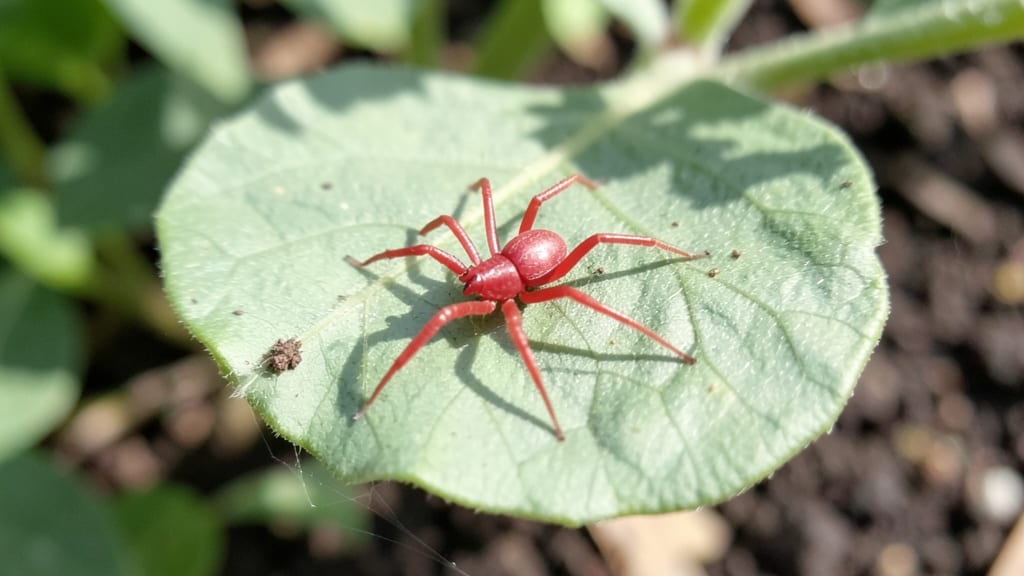
My red spider garden isn’t about flowers—it’s about the tiny red invaders that turn your lush plants into skeleton leaves overnight. 🌿 After losing three tomato plants last summer, I finally cracked the code with a mix of early detection, natural sprays, and a few sneaky predator allies.
The problem starts small: tiny yellow specks on undersides of leaves, then fine webbing, then entire plants looking like they’ve been dusted with rust. Most solutions involve harsh chemicals that kill more than just mites.
Instead, I focus on neem oil sprays, predatory mites, and water blasts—methods that work without wiping out your garden’s ecosystem.
You’ll spot the first signs within 2-3 weeks of an infestation, and with the right approach, you can turn things around in 10-14 days. The key is acting fast—once they spread, they multiply faster than you can say "lost harvest."
My roses and tomatoes now stay vibrant all season long.
Works for indoor plants, greenhouses, and outdoor gardens alike, no matter your climate. The best part? Your plants—and your conscience—will thank you. Let’s get those mites under control for good.
The Real Culprits Behind Tiny Webbed Invaders
If you’ve spotted delicate webs and tiny red spiders lurking in your garden, don’t panic—these aren’t random pests. Red spider mites (or two-spotted spider mites, Tetranychus urticae) thrive under specific conditions, and understanding their triggers is the first step to stopping them naturally.
These microscopic arachnids (yes, they’re related to spiders!) don’t just appear out of nowhere—they’re drawn to environments that mimic their ideal survival kit. Let’s break down the why behind their unwelcome garden parties.
Spider mites are desert survivors at heart. They originate from arid regions and love conditions that mimic drought-stricken landscapes. Here’s how heat and dryness fuel their population explosion:
- Low Humidity = Faster Reproduction: These mites reproduce rapidly when humidity drops below 40%. In dry air, their eggs hatch in just 3–5 days (vs. weeks in humid conditions), and each female can lay 100+ eggs in her lifetime. 🔥
- Stressed Plants = Easier Feasting: Heat causes plants to transpire (lose moisture) faster, making their leaves tougher and more nutrient-poor. Mites prefer weak plants—they pierce cells with their mouthparts and suck out sap, leaving behind stippled, yellowed leaves (a classic red spider mite signature).
- Sun-Scorched Leaves = Mite Buffet: Direct sunlight can burn plant foliage, creating crispy, dry patches that mites adore. Think of it like a buffet of pre-cooked leaves—easy picking for them!
Actionable Fix: Increase humidity around plants with mulch or drip irrigation (avoid overhead watering, which can spread mites). Group plants together to create a microclimate with natural shade and moisture retention.
Spider mites don’t just attack weak plants—they’re opportunistic predators that target gardens where plants are already struggling. Here’s how overcrowding and stress create the perfect breeding ground:
- Poor Air Circulation: Dense foliage traps heat and reduces airflow, creating a stagnant, humid microclimate—but wait, that seems counterintuitive! While mites love dryness, overcrowded plants also suffer from fungal issues or nutrient competition, weakening them further. Mites then move in to exploit the chaos. 🌬️
- Nutrient Deficiencies: Plants deficient in phosphorus or potassium are more susceptible. Mites detect these deficiencies and prefer stressed leaves because they’re easier to penetrate.
- New Growth = Mite Snack Attack: Soft, tender new leaves are a mite’s favorite delicacy. If your plants are over-fertilized with nitrogen (promoting rapid growth), you’re essentially serving them an all-you-can-eat buffet.
Actionable Fix:
- Prune plants to improve airflow (remove 20–30% of dense growth).
- Test soil for nutrient imbalances—aim for a balanced NPK ratio (e.g., 10-10-10).
- Avoid broadleaf herbicides (like glyphosate), which can stress plants and attract mites.
Spider mites are hitchhikers, and they don’t just appear—they travel. Understanding their spread patterns helps you cut off their invasion routes:
- Wind and Wildlife: Mites are tiny but mighty—they can ride wind currents for miles or hitch a ride on birds, insects, or even garden tools. A single infested plant can contaminate an entire garden in weeks. 🦋
- Contaminated Plants or Soil: Buying infested nursery plants or using shared gardening equipment (like shears or pots) is a fast-track to a mite outbreak. Even compost or mulch can harbor dormant eggs.
- Seasonal Migration: Mites go dormant in winter but re-emerge in spring when temperatures rise. If your garden was infested last year, eggs may still be lurking in leaf litter or soil.
Actionable Fix:
- Quarantine new plants for 2 weeks before introducing them to your garden.
- Clean tools with 70% isopropyl alcohol between uses.
- Remove old plant debris in fall to eliminate overwintering eggs.
Now that you know why these red invaders show up, the next step is how to evict them—without chemicals. Stay tuned for our humane, eco-friendly solutions to reclaim your garden! 🌱🕸️
How to solve it
Dealing with red spider mites in your garden doesn’t have to mean reaching for harsh chemicals. With a few targeted strategies, you can reclaim your plants—without harming the environment or beneficial insects.
Below, we’ve mapped out the best fixes for each cause, along with prevention tips to keep your garden thriving.
🔥 Overcrowded or Stressed Plants
When plants are packed too closely or struggling from poor soil, they become weak targets for spider mites. Here’s how to give them the space and care they need:
- 🌱 Prune for airflow: Trim overgrown branches to improve circulation. Mites thrive in stagnant, humid conditions, so open spaces discourage their spread.
- 💧 Water wisely: Deep watering at the base (not overhead) reduces moisture on leaves—mites love damp foliage. Water early in the day so plants dry quickly.
- 🌿 Boost nutrients: Feed plants with compost or a balanced organic fertilizer (like fish emulsion) to strengthen their defenses. Healthy plants repel pests naturally.
💡 Pro Tip: Mulch around plants to retain moisture in the soil but keep leaves dry. This balances hydration without inviting mites.
🍳 Dry or Dusty Leaves
Spider mites adore dusty, parched leaves because they can’t see their prey easily. A quick cleanup can make your plants less appealing:
- 🧼 Gentle leaf wash: Spray leaves with a neem oil solution (1 tsp neem oil + 1 tsp mild soap per quart of water) or plain water to dislodge mites and dust. Do this in the shade to avoid leaf burn.
- 🌧️ Increase humidity: Place a tray of water near potted plants or use a humidifier (especially indoors). Mites hate moisture—aim for 50%+ humidity.
- 🍃 Dust removal: Wipe leaves with a damp microfiber cloth weekly to prevent buildup. Dust acts like a hiding spot for mites!
✨ Prevention Hack: Group plants together to create a microclimate with higher humidity, deterring mites from settling in.
👨🍳 Chemical Residue or Pesticide Overuse
If previous pesticide use has disrupted your garden’s ecosystem, mites may have moved in to fill the void. Reset the balance with these steps:
- 🚫 Stop synthetic pesticides: Avoid broad-spectrum chemicals like malathion or carbaryl, which kill beneficial predators (like ladybugs or lacewings) that eat mites.
- 🐞 Introduce natural predators: Release phytoseiulus persimilis mites (their natural enemies) or attract them by planting companion flowers like marigolds or dill.
- 🌿 Soil remediation: Add compost tea or mycorrhizal fungi to the soil to restore microbial health. Healthy soil = stronger plants = fewer pests.
🎯 Long-Term Fix: Rotate crops annually to prevent pest cycles. Mites often target the same plants year after year.
🥘 Weakened Plant Immunity
Plants under stress (from disease, poor soil, or extreme weather) can’t fight off mites. Reinforce their defenses with these steps:
- 🌡️ Temperature control: Mites thrive in heat (above 90°F). Use shade cloth or drip irrigation to keep leaves cool during heatwaves.
- 💊 Organic sprays: Apply kaolin clay (a natural repellent) or garlic spray (blend garlic, water, and soap) to deter mites without harming plants.
- 🌿 Companion planting: Interplant with basil, mint, or lavender. These herbs mask plant scents that attract mites.
🔥 Emergency Action: If mites are severe, isolate the plant and treat with insecticidal soap (spray undersides of leaves where mites hide). Reapply every 5–7 days.
🔪 Infestations in Greenhouses
Greenhouses trap heat and humidity—perfect conditions for spider mites. Break the cycle with these targeted steps:
- ⏰ Ventilate daily: Open vents or use fans to circulate air. Mites can’t survive in moving air.
- 🌊 Yellow sticky traps: Place traps near plants to monitor and reduce mite populations. Check them weekly.
- 🌿 Reflective mulch: Cover greenhouse floors with aluminum foil or reflective mulch. The glare confuses mites and disrupts their feeding.
💡 Greenhouse Secret: Introduce predatory mites (like Amblyseius californicus) for long-term control. They’re voracious mite hunters!
Once you’ve addressed the root cause, consistency is key. Recheck plants weekly and adjust care as needed. With these methods, your garden will bounce back—without the need for toxic chemicals. Happy growing!
Frequently asked questions about tiny red garden invaders
What are those tiny red dots moving on my plants?
Those are red spider mites—microscopic pests that thrive in dry, hot conditions. They’re not insects but arachnids (like spiders) and multiply rapidly, causing yellow stippling on leaves. Check undersides of leaves for fine webbing, their telltale sign.
Why do spider mites love my houseplants so much?
Indoor environments often create the perfect mite paradise: low humidity (below 40%) and warm air from heating systems. They also adore dusty leaves—wipe foliage weekly with a damp cloth to remove their hiding spots and food source.
Can I use dish soap to kill spider mites?
Yes, but with caution! Mix 1 teaspoon mild dish soap with 1 quart water and spray directly on infested areas (focus on leaf undersides). Reapply every 5–7 days—this disrupts their waxy coating. Avoid harsh soaps that can damage plants.
Will neem oil work on established spider mite colonies?
Neem oil is effective but works best as a preventive measure. For existing infestations, combine it with predatory mites (like Phytoseiulus persimilis) or insecticidal soap. Spray neem oil at dusk for 2–3 weeks—it smothers eggs and adults but requires consistency.
How do I know if my garden is mite-free after treatment?
Monitor for 4–6 weeks using a hand lens (10x magnification) to inspect leaf undersides. Look for webbing, eggs (tiny yellow dots), or live mites. Place yellow sticky traps near plants—if you catch none after 2 weeks, your garden is likely clear!