
Pests
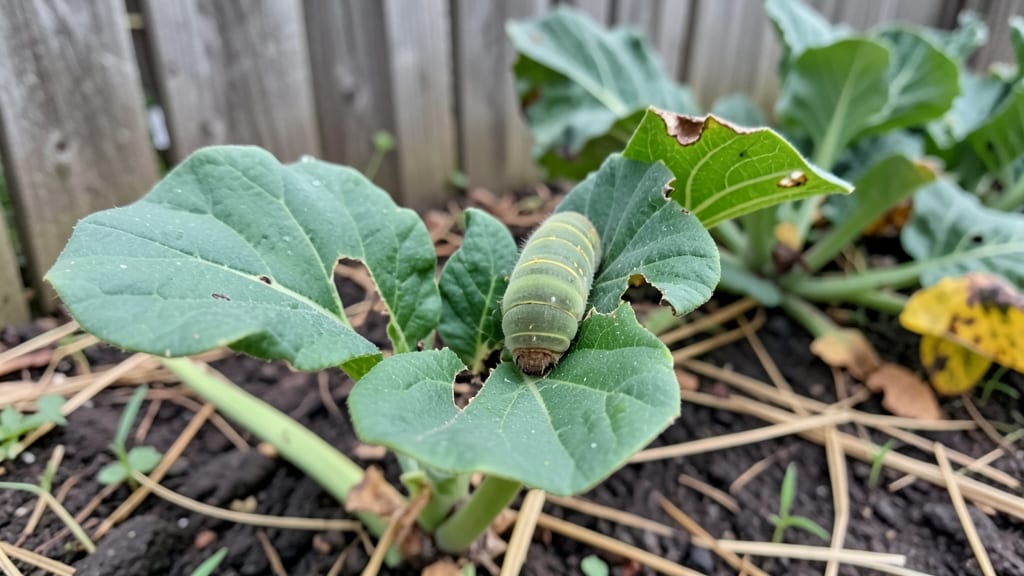
Here are some pics of garden pests that’ll help you spot trouble fast—before those sneaky critters turn your tomatoes into swiss cheese. 🌱 The key is knowing what to look for: tiny specks on leaves, chewed edges, or sticky residue that’s not dew.
This isn’t just about recognizing pests—it’s about understanding their habits. Aphids cluster on new growth, slugs leave silvery trails at night, and spider mites spin fine webs in hidden corners.
Once you spot these red flags, you can act fast with targeted solutions. No more guessing whether those holes are pests or just bad luck.
You’ll walk away knowing exactly which pest is ruining your garden and how to stop it. The damage photos show what healthy plants should look like versus what pests leave behind—so you’ll never miss the warning signs again. Ready to become a pest detective?
Works for any garden, from containers to full-size plots. Here’s how to turn those suspicious spots into actionable clues—before your plants pay the price.
Root Causes of Garden Invaders
Unwanted guests in your garden aren’t just random—they’re drawn by specific conditions that turn your green space into an all-you-can-eat buffet. Understanding these triggers helps you prevent rather than just react. Here’s why pests show up when they do, broken down by their favorite "come hither" signals.
Pests like aphids, spider mites, and whiteflies thrive in gardens where plants are stressed or overcrowded. Why? - Stress signals: Damaged or nutrient-deficient plants release volatile organic compounds (VOCs) that act like a dinner bell for pests.
For example, aphids detect jasmonic acid—a plant’s distress hormone—from miles away. - Lack of airflow: Dense foliage traps moisture, creating the perfect humid microclimate for fungal-loving pests like slugs and snails.
Poor airflow also weakens plants, making them easier targets. - Root competition: Overplanted beds force roots to compete for water and nutrients, leaving gaps that pests exploit. Weak roots = easy entry for nematodes and grubs.
Actionable fix: Space plants according to their mature size (check seed packets!) and prune regularly to improve airflow. Pro tip: 💡 Interplant repellent herbs like basil or marigolds—their strong scents mask plant stress signals.
Water is a magnet for pests, but not in the way you’d think. Here’s how it backfires: - Fungal feast: Slugs, snails, and fungus gnats love damp soil. A single inch of standing water can double their population in a week.
Even overwatered leaves create a slimy highway for pests to travel. - Breeding grounds: Mosquitoes and gnats lay eggs in stagnant water.
Meanwhile, root rot (from soggy soil) weakens plants, making them vulnerable to borers and beetles. - Chemical imbalance: Overwatering leaches nutrients, forcing plants to produce more sugars in their leaves—sugary treats for aphids and scale insects.
Actionable fix:
- Install drip irrigation or soaker hoses to deliver water directly to roots (🔥 no puddles).
- Add gravel or sand to heavy clay soil to improve drainage.
- Pro tip: 🌡️ Water in the early morning so foliage dries by evening—pests hate dry leaves!
Your garden’s "junk drawer" is a pest’s paradise.
Leaves, mulch, and old plants aren’t just clutter—they’re hiding spots and food sources. - Hibernation hotels: Overwintering pests like Japanese beetles and cutworms burrow into leaf litter or thick mulch layers (over 3 inches) to survive winter. - Food buffet: Decaying organic matter (like fallen fruit or veggie scraps) attracts fruit flies, earwigs, and rodents.
Even "clean" mulch can harbor grubs if it’s not fresh. - Disease carriers: Dead plants left in the garden spread pest eggs and spores (e.g., tomato hornworm eggs on stems).
Actionable fix:
- Clear debris monthly—especially around stone borders, sheds, and compost piles (common hiding spots).
- Shred and compost plant waste hot (not cold) to kill pest life stages. Pro tip: ✨ Use black plastic mulch in early spring to solarize soil and kill overwintering pests.
Planting the same crop in one spot year after year is like rolling out the red carpet for pests. Here’s why: - Specialized pests: Crops like tomatoes, roses, or potatoes have specific pests that evolve to target them.
For example, colorado potato beetles only attack nightshades (tomatoes, peppers, eggplants). - No natural predators: Monocultures disrupt the food web.
If you plant only roses, aphids will explode because their predators (ladybugs, lacewings) have no other food sources. - Soil depletion: Repeatedly growing the same plant exhausts nutrients, weakening roots and making them easy prey for nematodes and root maggots.
Actionable fix:
- Rotate crops annually (e.g., swap tomatoes with beans or carrots).
- Plant companion pairs: Basil + tomatoes repel whiteflies; nasturtiums distract aphids from roses. Pro tip: 🎯 Use the "3 Sisters" method (corn, beans, squash) for a built-in pest-control ecosystem.
Pests don’t just appear—they time their attacks based on weather and life cycles.
- Warm winters: Mild winters mean surviving pests (like mealybugs or scale insects) don’t die off, leading to earlier, larger infestations in spring.
- Drought stress: Lack of rain forces plants to close stomata (pores), making them sweeter and more attractive to piercing-sucking pests (e.g., spider mites).
- Sudden rain: Heavy downpours wash away natural predators (like ground beetles) but leave slugs and cutworms thriving in the damp soil.
Actionable fix:
- Mulch strategically: Use straw or wood chips in summer to retain moisture and reflective mulch (like aluminum foil) to deter heat-loving pests.
- Plant heat-tolerant varieties (e.g., okra, Swiss chard) that pests avoid.
- Pro tip: 🔥 Monitor weather forecasts—pests like Japanese beetles swarm after two consecutive days over 80°F. Set traps before they arrive!
Simple Fixes for Common Garden Invaders
Once you’ve spotted the culprits in your garden, it’s time to take action! The good news? Most pest problems have easy, natural, or low-cost solutions—no harsh chemicals required.
Below, we’ve mapped out targeted fixes based on the most common pests, along with prevention tips to keep them from crashing your green space again.
Cause: These sap-sucking pests cluster on new growth, leaves, and flowers, leaving behind sticky honeydew (which attracts ants and sooty mold). Fix:
- 💦 Blast them off with a strong stream of water from your hose—aphids hate this!
- 🍋 Spray soapy water (1 tsp mild dish soap + 1 quart water) directly on infested areas.
- 🐞 Introduce ladybugs (their natural predators) by buying them online or attracting them with dill, fennel, or marigolds.
- 🌿 Prune heavily infested leaves and dispose of them in sealed bags.
💡 Prevention Tip: Plant rosemary, thyme, or garlic nearby—aphids avoid these strong scents!
Cause: These slimy pests leave silver trails and ragged holes in leaves, flowers, and veggies overnight. Fix:
- 🍺 Beer traps work! Bury a shallow container filled with beer—slugs crawl in and drown.
- 🥚 Crushed eggshells or diatomaceous earth create a barrier they can’t cross (reapply after rain).
- 🌙 Handpick at night with a flashlight (wear gloves—eww!).
- 🐸 Encourage predators like frogs, toads, and birds by adding a small pond or water feature.
💡 Prevention Tip: Mulch alternatives like pine needles or coarse sand deter slugs better than fine mulch.
Cause: Ants don’t eat plants, but they farm aphids (protecting them for honeydew) and can invade homes. Fix:
- 🍯 Bait them with sugar + borax (1:1 ratio) or peppermint oil (ants hate the smell).
- 🔥 Boil water on trails to disrupt their paths (repeat daily for a week).
- 🌿 Plant mint or cloves near entry points—ants avoid these scents.
- 🏠 Seal cracks in your home’s foundation to block their entry.
💡 Prevention Tip: Keep kitchen clean—ants are drawn to food scraps left outside!
Cause: These metallic-green beetles devour leaves, leaving only veins—bad news for roses, grapes, and beans. Fix:
- 🧹 Handpick into soapy water (morning is best—they’re sluggish then).
- 🌿 Neem oil spray (mix 2 tbsp neem oil + 1 tsp dish soap + 1 quart water; spray undersides of leaves).
- 🪴 Trap with pheromone lures (available at garden centers) to catch males before mating.
- 🍃 Plant trap crops like marigolds or cosmos to lure them away from prized plants.
💡 Prevention Tip: Remove grass clumps where beetle grubs overwinter—till soil in fall to expose them to birds.
Cause: These tiny, white moth-like bugs cluster on undersides of leaves, causing yellowing and sticky residue. Fix:
- 🕯️ Yellow sticky traps catch them in droves—hang near infested plants.
- 💦 Spray with insecticidal soap (follow label instructions) or neem oil.
- 🌿 Introduce parasitic wasps (like Encarsia formosa)—they naturally control whitefly populations.
- 🌡️ Increase airflow by pruning crowded plants (whiteflies thrive in humidity).
💡 Prevention Tip: Inspect new plants before bringing them indoors—whiteflies hitchhike easily!
Cause: These green or brown larvae cut down young seedlings at soil level, leaving them toppled overnight. Fix:
- 🔪 Collar seedlings with cardboard or aluminum foil (bury 1–2 inches deep around stems).
- 🌙 Shake plants at dusk—cutworms will drop, then pick them off by hand.
- 🌾 Plant basil or tansy nearby as a repellent.
- 🌱 Rotate crops yearly to disrupt their life cycle.
💡 Prevention Tip: Water plants in the morning—cutworms are less active when soil is dry.
Want to prevent pests long-term?
Try these low-effort strategies: - 🌿 Companion planting (e.g., basil + tomatoes, marigolds + veggies). - 🌱 Healthy soil = strong plants—add compost and mulch to boost plant resilience. - 🕰️ Regular inspections (check undersides of leaves, stems, and soil weekly). - 🚫 Avoid overwatering—many pests thrive in damp conditions.
🎯 Remember: The key is early action! The sooner you spot and treat pests, the easier it is to protect your garden. Nature’s balance is your best tool—let predators do the work while you enjoy a thriving, pest-free oasis! 🌱✨
Frequently asked questions about garden pests
How can I tell if tiny black dots on my leaves are pests or just dirt?
Check for movement first—if they scurry away, they’re likely aphids or thrips. Look for sticky residue (honeydew) or curled leaves. Dirt stays put and doesn’t leave trails or damage. Use a magnifying glass to spot their tiny bodies or webbing.
Are there any garden pests that actually help my plants?
Ladybugs devour aphids, ground beetles eat cutworms, and parasitic wasps control caterpillars. Even earthworms improve soil health. Avoid killing these beneficial insects—they’re your garden’s natural pest control team!
Why do some pests only attack certain plants in my garden?
Pests target plants based on scent, chemistry, and life cycles. For example, Japanese beetles love roses and grapes because their leaves contain attractive compounds. Others, like cabbage worms, are drawn to brassicas (cabbage, broccoli) because they’re their natural food source.
Can I use coffee grounds to repel garden pests?
Yes! Coffee grounds deter ants, slugs, and cats (the caffeine is toxic to them). Sprinkle around plant bases or mix into compost. However, they won’t stop aphids or spider mites—use them as part of a layered defense system with other repellents.
What’s the best time of day to spot garden pests?
Early morning or late afternoon when pests are most active. Slugs and cutworms emerge at dusk, while aphids and whiteflies cluster on leaves in the cool morning hours. Avoid midday heat—many pests hide then to conserve moisture.