
Tools
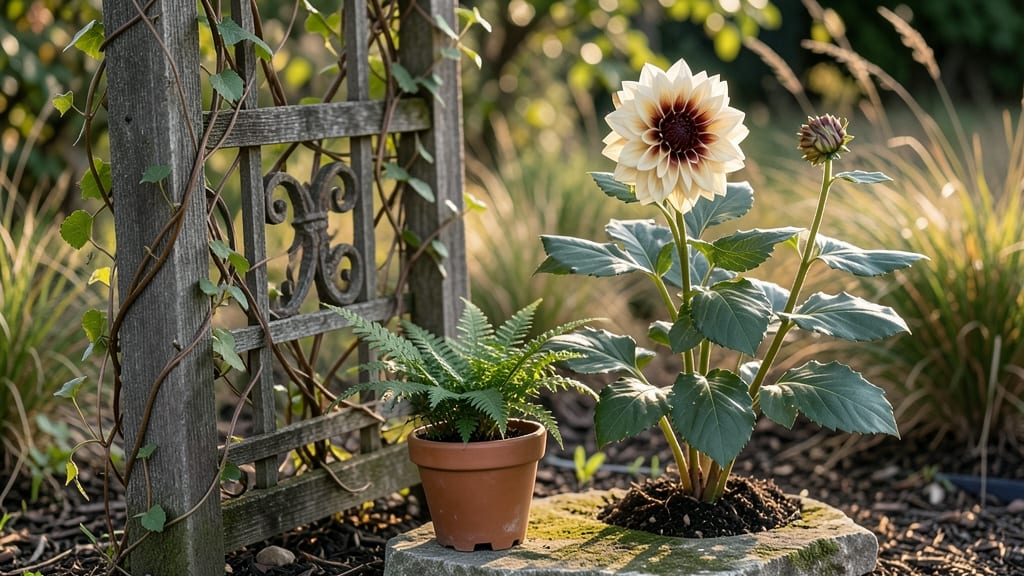
The Phila Garden Show is a premier event showcasing stunning botanical displays, hands-on workshops led by horticulture experts, and cutting-edge gardening technology—perfect for both city gardeners and suburban plant enthusiasts. You’ll find rare succulent collections, live hydroponic system demonstrations, and eco-friendly landscaping innovations.
The Phila Garden Show stands out for its blend of educational value and visual inspiration. 🌿 Whether you're a beginner looking to expand your plant collection or a seasoned gardener seeking new techniques, the event offers something for every skill level.
The workshops often cover everything from container gardening for small spaces to advanced pruning methods, while the tech demos highlight tools like smart irrigation systems that can save water and time. Plus, the vendor booths frequently feature exclusive plant varieties you won’t find at local nurseries.
Pro tip: Arrive early to secure prime viewing spots near the rare plant displays, and bring a notebook to jot down expert advice from the workshops. Many attendees leave with actionable plans for their own gardens—whether it’s revamping a balcony space or designing a low-maintenance yard.
The show’s focus on sustainability also makes it a great place to discover eco-friendly alternatives for traditional gardening practices.
💡 In This Article
- Behind the Scenes: Top Plant Exhibits at Phila Garden Show
- Pro Tips for Maximizing Your Phila Garden Show Visit
Behind the scenes: top plant exhibits at phila garden show
The Phila Garden Show curates its most stunning exhibits around botanical rarity and seasonal relevance. This year, Phalaenopsis orchids take center stage thanks to their year-round blooming cycles, which thrive under 60-80°F temperatures and 50-70% humidity.
What makes them stand out isn't just their delicate flowers but their adaptability to indoor lighting—ideal for urban gardeners with limited outdoor space. The show's horticulturists specifically select varieties like the Phalaenopsis 'Starlight', which produces bi-color blooms that last 8-12 weeks with proper care.
Heirloom vegetables like Black Krim tomatoes and Purple Vienna kale dominate the edible plant displays, chosen for their nutrient density and visual appeal.
These varieties require full sun exposure (6-8 hours daily) and well-draining soil with pH 6.0-6.8, making them perfect for Philadelphia's climate when paired with raised beds.
The show's experts demonstrate how these heirlooms resist common pests better than hybrid varieties, thanks to their thicker waxy coatings and natural disease resistance developed over centuries.
Succulents like Echeveria 'Lola' and Haworthia attenuata are curated for their low-maintenance nature, requiring only bright indirect light and water every 2-3 weeks. The show's designers arrange them in geometric patterns to highlight their textural contrast—smooth leaves against jagged edges.
What's fascinating is how these plants thrive in urban microclimates, making them ideal for balcony gardens where space is limited. Their slow growth also means they're perfect for beginners who want to avoid frequent replanting.
Hydroponic demonstrations feature lettuce varieties like Buttercrunch, which grow 3-4 times faster than traditional soil-grown counterparts. The show's tech booths explain how these systems use 60% less water by recirculating nutrient solutions, with LED grow lights providing 12-16 hours of light daily to mimic summer conditions.
The key advantage? These systems can be set up in small spaces like closets or under kitchen cabinets, making urban farming accessible to everyone.
Sustainable landscaping exhibits focus on native Pennsylvania plants like Swamp Milkweed and Wild Bergamot, which require minimal irrigation once established. These plants support local ecosystems by providing nectar for pollinators and habitat for beneficial insects.
The show's experts demonstrate how integrating these species into gardens reduces the need for chemical pesticides by up to 70%, while also lowering water usage by 40% compared to traditional lawns.
What most attendees don't realize is how the show's curators time exhibits to align with Philadelphia's USDA Hardiness Zone 7b. This means spring exhibits focus on cool-season crops like spinach and peas, while summer displays highlight heat-tolerant varieties such as okra and sweet potatoes.
The timing ensures visitors leave with actionable advice tailored to their local climate challenges. 🌱