
Pests
Mr McGregor’s garden in Peter Rabbit serves as a vivid, danger-filled vegetable patch where Peter and his siblings raid carrots, peas, and strawberries while dodging traps and threats. This lush, meticulously described garden blends botanical realism with playful fantasy, creating a setting that teaches children about curiosity, consequences, and the allure of forbidden spaces.
Beatrix Potter’s garden isn’t just a backdrop—it’s a character in its own right, packed with real vegetables like carrots and peas that grow in recognizable patterns. 🌱 The way Peter’s hunger clashes with McGregor’s anger mirrors real gardening struggles, like balancing harvests with pests or labor.
Potter’s attention to detail (like the giant cabbages) makes the garden feel almost alive, while the traps and threats add a layer of suspense that keeps readers engaged. This mix of realism and whimsy is what makes the garden so memorable.
The story’s garden also subtly teaches lessons about boundaries and responsibility.
Peter’s reckless raids contrast with Flopsy’s caution, showing how choices have consequences—a theme that resonates even today. 💫 For gardeners, it’s a playful reminder that every plot has its own rules, whether it’s respecting property lines or understanding seasonal growth.
Potter’s genius lies in making these lessons feel like an adventure rather than a lecture.
💡 In This Article
- Botanical Details in Mr McGregor’s Garden
- Themes and Lessons Hidden in the Garden
Botanical details in Mr McGregor’s garden
Beatrix Potter’s garden in Peter Rabbit is a masterclass in botanical accuracy mixed with playful exaggeration.
The carrots described aren’t just any vegetables—they’re the classic Nantes variety, known for their sweet, crisp texture and vibrant orange hue, perfect for a rabbit’s snack. 🌱 These carrots would have been planted in early spring (around March-April) and harvested in late summer or fall, mirroring the story’s timing when Peter’s raids occur.
Potter’s attention to detail extends to the peas—likely the sugar snap or garden pea varieties—grown on trellises that create the "green curtains" Peter hides behind.
The garden also features strawberries, planted in early spring and harvested in late spring to early summer, aligning with the story’s seasonal setting. These would be the June-bearing variety, common in Potter’s era, producing large, flavorful berries that tempt Peter despite their thorny vines.
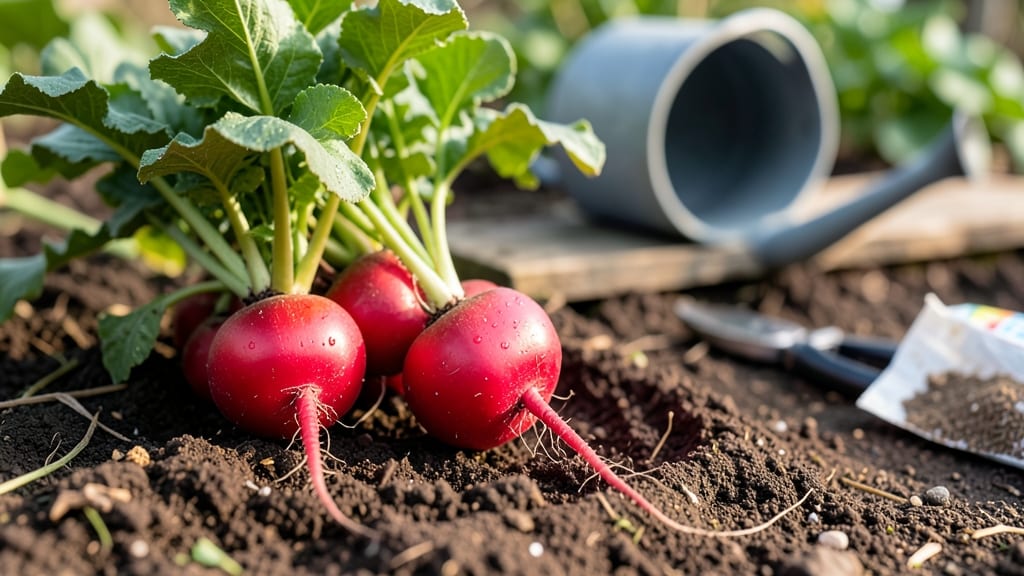
Radishes, another featured crop, grow quickly (ready in 3-4 weeks) and add a peppery contrast to the sweeter carrots and strawberries. The giant cabbages—exaggerated for dramatic effect—would be late-season varieties like January King, planted in summer and maturing in fall, their massive leaves creating the "walls" Peter navigates.
Potter’s botanical realism contrasts sharply with the garden’s fantastical elements, like the hidden paths and McGregor’s traps. In reality, vegetable gardens follow predictable growth patterns, but here, the plants become active participants in the story. 🌿 The peas’ trellises double as hiding spots, while the cabbages’ size makes them obstacles.
This blend of realism and whimsy reflects Potter’s background in mycology (she studied fungi) and her love for nature’s details. Even the garden’s layout—with rows of crops and clear boundaries—mirrors traditional Victorian-era kitchen gardens, where vegetables were grown in neat, functional spaces.
What’s fascinating is how these plants symbolize both temptation and danger. Carrots, with their high sugar content, are irresistible to rabbits, while the peas’ pods and strawberries’ thorns add physical risks.
The garden’s layout—with paths and traps—mirrors real gardening challenges, like pest control or weed management, but amplified for storytelling.
Potter’s use of seasonal planting also teaches readers about timing: carrots and peas grow best in cooler weather, while strawberries thrive in warmth, just like the story’s shifting moods from playful raids to tense escapes.
For modern gardeners, Mr McGregor’s plot offers practical lessons. The garden’s diversity (carrots, peas, strawberries) demonstrates crop rotation benefits—each plant family has different nutrient needs, reducing soil depletion.
The trellises for peas also show how vertical gardening maximizes space, a technique still used today. 🌱 Even the traps, like the pie crust or the dog, reflect real gardening frustrations: pests (like rabbits) can devastate crops if unchecked.
Potter’s garden, then, isn’t just a story—it’s a living lesson in botany, ethics, and the delicate balance between nature’s bounty and its challenges.