
Size
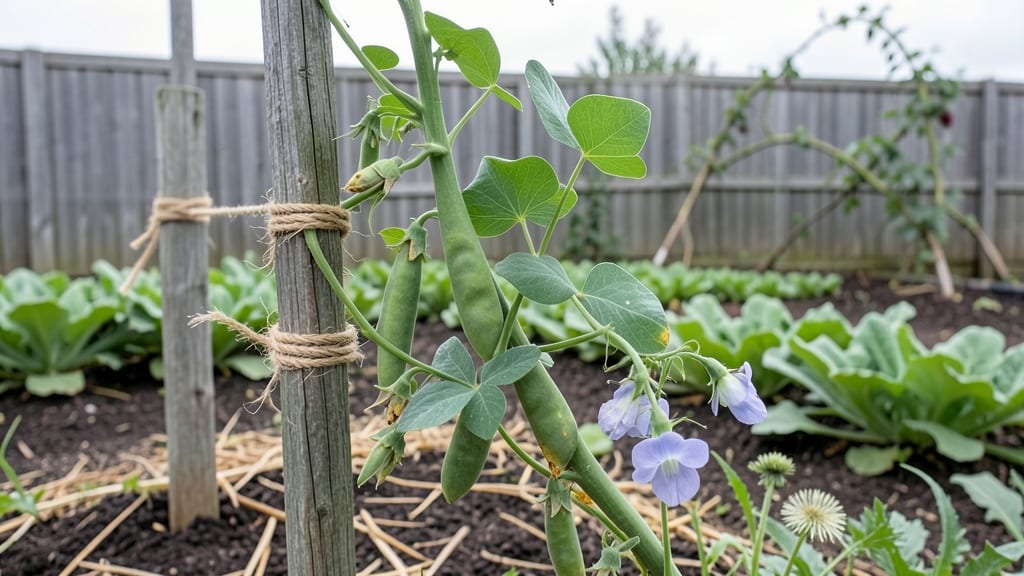
Wondering how tall do garden peas grow? These versatile climbers can reach anywhere from 1 foot to a towering 8 feet, depending on the variety and how you support them.
If you're planning to grow garden peas, knowing their mature height isn’t just about aesthetics—it determines whether they’ll thrive in your space or struggle for support, potentially ruining your harvest.
Some varieties climb like vines to 8 feet, while others stay compact under 3 feet, making the right choice critical for small gardens and trellises alike.
Bush varieties like 'Little Marvel' stay short and sturdy, perfect for containers or tight spaces, while climbing types like 'Sugar Snap' reach for the sky and need strong trellises.
The difference in height affects how you space them, what support you provide, and even which companion plants you pair with them.
Below, I’ll break down the height ranges for popular varieties, how to choose the right type for your garden, and tips for maximizing growth—whether you’re working with a tiny balcony or a sprawling backyard.


Garden pea height by variety: dwarf vs. tall-climbing types explained
Garden peas come in two distinct growth forms: bush types that stay compact and climbing types that reach impressive heights. The height of garden peas you choose directly impacts your garden layout, trellis needs, and even harvest efficiency.
For example, 'Little Marvel' stays under 2 feet, while 'Sugar Snap' can tower to 8 feet without support. Understanding these differences helps you avoid overcrowding or underutilized space.
Climbing varieties need vertical support to thrive, while bush types grow well in tight spaces. If you have limited room, dwarf varieties like 'Tom Thumb' (12-18 inches) are perfect. But if you're aiming for a lush vertical garden, tall-climbing peas like 'Oregon Sugar Pod' (6-8 feet) will transform your space.
Let’s break down the key differences so you can pick the right fit for your garden.
Here’s a quick comparison of garden pea heights by variety, including their growth habits and support needs:
| Variety | Height Range | Growth Habit | Support Needed | Spacing |
|---|---|---|---|---|
| Little Marvel | 18-24 inches | Bush | None | 2-3 inches apart |
| Tom Thumb | 12-18 inches | Bush | None | 2-3 inches apart |
| Sugar Ann | 2-3 feet | Semi-dwarf climbing | Light trellis | 3-4 inches apart |
| Sugar Snap | 6-8 feet | Tall climbing | Strong trellis | 4-6 inches apart |
| Oregon Sugar Pod | 6-8 feet | Tall climbing | Strong trellis | 4-6 inches apart |
| Green Arrow | 4-6 feet | Climbing | Moderate trellis | 3-4 inches apart |
Bush varieties like 'Little Marvel' and 'Tom Thumb' are ideal for small gardens, containers, or areas with limited vertical space. Their compact height (under 2 feet) means they don’t require trellises, making them low-maintenance choices.
These types thrive in well-drained soil and benefit from regular watering to keep their growth sturdy. If you’re growing them in containers, ensure the pot is at least 12 inches deep to accommodate their root systems.
On the other hand, climbing varieties like 'Sugar Snap' and 'Oregon Sugar Pod' need strong trellis support to reach their full potential. Without proper support, their vines can sprawl, leading to tangled growth and reduced yields.
A 6-foot trellis is perfect for these varieties, allowing them to climb vertically and maximize your garden’s vertical space. For taller varieties, consider using bamboo stakes or wire cages to provide stability.
Spacing is another critical factor influenced by pea height. Bush peas can be planted just 2-3 inches apart, while climbing peas need 4-6 inches of space to avoid overcrowding.
Overcrowding can lead to poor air circulation, increasing the risk of fungal diseases like powdery mildew. If you’re growing multiple varieties, plant taller types
How to choose pea varieties based on your garden space and support system
Choosing the right pea variety isn’t just about taste—it’s about matching their growth habits to your garden’s space constraints and support system. A 6-foot trellis won’t work for bush varieties, while a small container can’t handle 8-foot vines.
Let’s break down how to pick peas that thrive in your setup, whether you’re working with balcony pots, raised beds, or a backyard trellis.
First, consider your garden’s vertical potential. If you’re short on ground space, climbing varieties like Sugar Snap or Oregon Sugar Pod can save room by growing 6-8 feet tall, but they’ll need sturdy support.
For small spaces, bush peas like Little Marvel (18-24 inches) or Tom Thumb (20-24 inches) are perfect for containers or tight plots.
- Bush Varieties: 1-2 ft (ideal for containers, small plots)
- Semi-Dwarf Climbers: 2-3 ft (great for short trellises or cages)
- Standard Climbers: 4-6 ft (needs tall trellis or fence)
- Tall Climbers: 6-8 ft (best for strong supports like bamboo poles)
Height varies by variety and growing conditions.
Next, think about your support system. Bamboo stakes or wire netting work well for semi-dwarf varieties, while heavy-duty trellises or chain-link fences are better for tall climbers. For containers, use mini trellises or cage supports to keep vines contained.
Pro tip: Hybrid varieties often have stronger vines and may need less support than heirlooms, but heirlooms like Mammoth Melting Sugar (8+ feet) reward patience with sweeter pods.
Don’t overlook soil depth—climbing peas need at least 12 inches of soil to establish roots, while bush varieties can thrive in 6-inch containers. If your soil is shallow, opt for shorter varieties or deep containers.
For urban gardeners, vertical planters with built-in trellises are a game-changer, letting you grow pole peas even on patios.
Regional adaptability matters too. Cool climates (Zones 3-6) handle tall varieties better, while hotter zones (7+) may struggle with overly vigorous vines. In these areas, shorter, heat-tolerant varieties like Oregon Sugar Pod (6 ft) or Green Arrow (2-3 ft) perform best.
Always check your last frost date—peas hate heat, so plant early in spring or late summer.
Finally, maximize vertical growth without overcrowding by spacing plants properly. Bush peas need 3-4 inches apart, while climbers can stretch 4-6 inches apart on a trellis. Thin seedlings early to avoid competition for nutrients, and prune side shoots to encourage stronger main vines.
With the right variety and support, your peas will climb to their full potential—and your harvest will thank you! 🌿