
Tools
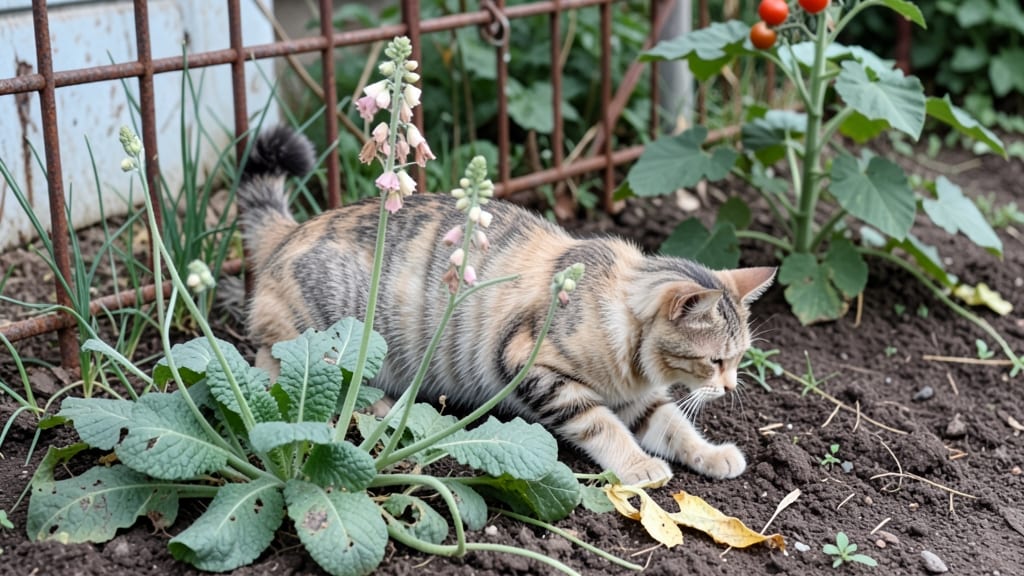
Creating a pet-safe garden means avoiding hazardous plants like lilies, azaleas, and sago palms, while choosing non-toxic options such as sunflowers, snapdragons, and spider plants that pose no risk if your pets nibble on them.
Your furry friends explore gardens with curiosity, so their safety depends on smart plant choices.
Lilies, for example, are deadly to cats, while azaleas can cause vomiting and lethargy in dogs. 🌿 I’ve found that sunflowers and rosemary not only look beautiful but also serve as safe, edible options for pets—rosemary even repels fleas naturally.
Always double-check plant labels or consult a vet if you’re unsure about a specific variety.
Beyond plant selection, consider your pet’s habits. Cats often gravitate toward tall grasses, while dogs might dig near roots. Providing designated pet-friendly zones with catnip or wheatgrass can redirect their attention away from toxic areas. 🐾 Remember, even "safe" plants should be monitored—some pets develop sensitivities over time.
💡 In This Article
- Toxic Garden Plants Pets Should Avoid
- Safe Pet-Friendly Garden Plant Alternatives
Toxic garden plants pets should avoid
Some garden plants contain compounds that can cause severe reactions in pets, often leading to organ failure or death.
Foxglove, for example, contains digitalis, a cardiac glycoside that disrupts heart rhythms in dogs and cats, causing symptoms like irregular heartbeat, seizures, and even death within 24-48 hours if untreated.
Oleander, another ornamental, produces cardenolides, which affect sodium-potassium pumps in cells, leading to vomiting, diarrhea, and weakness—even small amounts can be fatal.
The danger varies by species. Cats are especially vulnerable to lilies, where ingesting even pollen or leaves can cause acute kidney failure within 36-72 hours.
Dogs, however, may react differently to the same plant—azaleas and rhododendrons contain grayanotoxins that trigger drooling, lethargy, and coma in canines, while rabbits might experience liver damage from ivy ingestion.
The key factor is dosage: a 5-pound cat might suffer severe effects from a single lily leaf, while a 50-pound dog could tolerate more but still face risks.
Symptoms often appear within 6-12 hours but can take days, making early detection critical.
Vomiting and diarrhea are common early signs, but more severe cases progress to organ failure, tremors, or collapse. 🐾 What most people don’t realize is that even mulch made from toxic plants (like yew) can pose risks—pets may ingest soil or debris contaminated with harmful compounds.
Always check plant labels for warnings and research before adding anything new to your garden.
Cats and dogs metabolize toxins differently due to their liver enzyme systems. Cats lack certain detoxifying enzymes, making them more susceptible to lily poisoning, while dogs’ faster metabolism can sometimes mask early symptoms of foxglove ingestion.
Small animals like guinea pigs or hamsters may show neurological signs (twitching, seizures) from plants like oleander, which affects their central nervous systems more directly. This is why pet owners must consider their animal’s size and species when assessing risks.
Here’s what’s actually happening chemically: Many toxic plants contain alkaloids or glycosides that interfere with cellular processes. For instance, sago palms produce cycasin, which breaks down into a toxin that attacks the liver and nervous system.
In dogs, this can lead to jaundice, seizures, and death within 2-3 days if not treated. The severity depends on the plant part ingested—seeds are often most toxic, but leaves and stems can also cause harm.
Visual clues can help identify dangerous plants. Foxglove has bell-shaped flowers with spotted insides, while oleander grows in clustered pink or white blooms. Rhododendrons feature leathery leaves and purple or pink flowers.
If you suspect poisoning, contact your vet immediately—even if symptoms seem mild. 🚨 Remember, some plants (like autumn crocus) are toxic year-round, while others (like poinsettias) pose risks only during certain seasons.