
Tools
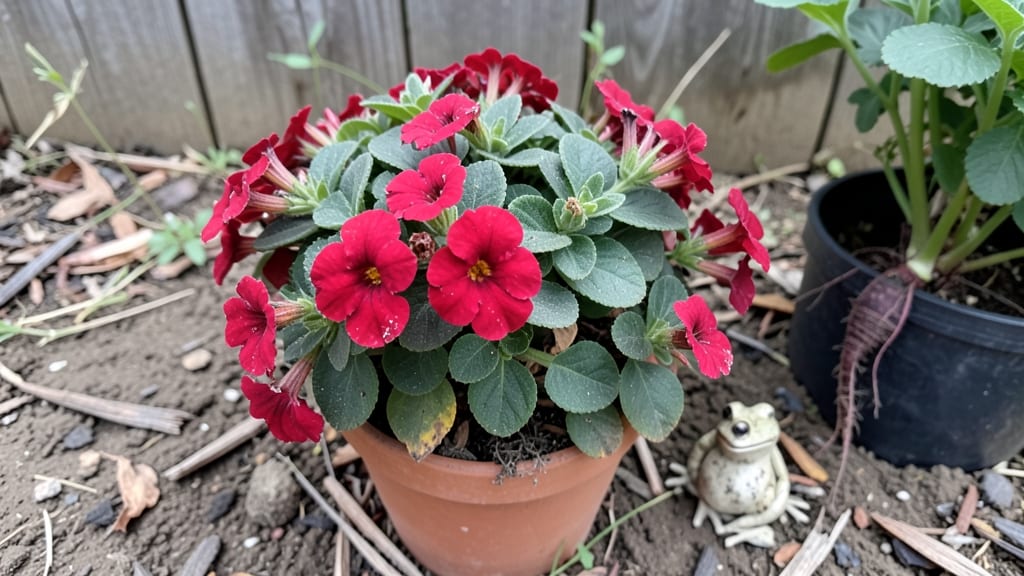
An ornamental vegetable garden isn’t just about food—it’s about crafting a space that feels like a living painting, where every plant has purpose and every season brings something new.
I fell for this idea after seeing a neighbor’s garden where purple carrots peeked through silver foliage, and I knew I wanted that mix of function and beauty in my own yard.
The key isn’t choosing between edibles and ornamentals—it’s blending them so they feed both your table and your soul.
Start with textured plants like Swiss chard with rainbow stems or fragrant herbs such as thyme and oregano that spill over edges like ground cover. Add edible flowers—nasturtiums, borage, or calendula—to brighten borders while attracting pollinators.
The layout should layer height and color: tall plants like sunflowers or hollyhocks at the back, mid-height veggies like peppers or eggplants in the middle, and low-growing herbs or lettuce up front. It’s all about creating depth that feels intentional, not random.
By late summer, you’ll have a garden that’s bursting with color and flavor—think jewel-toned beans climbing trellises, striped tomatoes hanging like ornaments, and fragrant basil framing pathways. The best part? You’re not sacrificing productivity for looks.
This garden gives you both the joy of harvesting fresh food and the pride of a space that turns heads. The secret is treating every plant like a brushstroke in a masterpiece.
Works in any yard size, from a small city plot to a sprawling countryside garden. The principles stay the same—just scale the plants. Now, let’s get designing!
📚 In This Guide
- What you need
- Instructions
- Tips and common mistakes
- Wrapping up and next steps
What you need
- ● Garden Soil: 5–10 bags (1–2 cubic feet each) of high-quality, well-draining potting mix or compost-enriched soil (aim for a pH of 6.0–7.0).
- ● Organic Mulch: 2–3 bags (1–2 cubic feet) of shredded bark, straw, or wood chips to retain moisture and suppress weeds.
- ● Compost: 1–2 bags (1 cubic foot each) of finished compost for nutrient-rich soil.
- ● Fertilizer: Slow-release organic fertilizer (e.g., 10-10-10 or fish emulsion) or granular compost.
- ● Drip Irrigation Kit: Basic system with tubing, emitters, and a timer (or a reliable watering can for smaller gardens).
- ● Garden Beds or Containers: Raised beds (4’x8’ or custom sizes, 6–12” deep).
- ● Or, large containers (10–15 gallons per plant, with drainage holes).
- ● Edible Ornamentals: Choose 5–10 varieties (e.g., Swiss chard ‘Bright Lights’, calendula, nasturtiums, or purple basil). Start with 3–5 plants per type.
- ● Seeds or Seedlings: High-quality, non-GMO seeds or young plants from a nursery.
- ● Plant Labels: Biodegradable or reusable markers to track varieties.
- ● Decorative stones or pebbles for pathways or borders.
- ● Trellises or obelisks (for climbing plants like pole beans or cucumbers).
- ● Solar-powered garden lights for evening ambiance.
- ● Pruners, gloves, and a kneeling pad for comfort.
Instructions for designing an ornamental vegetable garden
This approach blends edible plants with ornamental value while maintaining year-round visual appeal.
Plan Your Garden Layout With Height and Seasonal Interest
Start by sketching your garden space, dividing it into three distinct layers: tall backdrops, mid-height plants, and low-growing ground covers. I always begin with the tallest elements—ornamental grasses like Miscanthus or Pennisetum paired with edible stalks such as Swiss chard or celery—positioned along the back or along fences. These create a natural vertical structure that adds depth and movement to the space.
Next, add mid-height plants like Salvia officinalis (culinary sage) or Alliums (edible flowers) in the middle layer. These should be spaced 12-18 inches apart to allow for airflow and easy harvesting. Finally, fill the front with low-growing plants such as thyme, creeping oregano, or lettuce varieties like Lollo Rossa. These not only provide edible foliage but also create a lush, textured carpet that suppresses weeds and retains moisture.
Think about seasonal transitions early. Plant spring bulbs like Alliums or Tulbaghia (wild garlic) alongside early greens like spinach or arugula. As these fade, summer bloomers like nasturtiums or edible zinnias will take over, followed by fall crops like kale or winter squash paired with ornamental gourds. This layered approach ensures your garden never looks bare.
Select Plants for Dual Edible and Aesthetic Value
Choose plants that offer both culinary and visual appeal. For instance, Calendula officinalis (pot marigold) not only repels pests but also adds bright yellow blooms to salads. Similarly, Physalis peruviana (Cape gooseberry) produces striking lantern-like fruits that are edible and visually striking. I always include at least three types of edible flowers—nasturtiums, borage, and pansies—to attract pollinators while adding pops of color.
For foliage, consider plants like Rumex acetosa (red-veined sorrel) or Chenopodium bonus-henricus (fat-hen), which offer vibrant hues and edible leaves. Pair these with ornamental kale or chard varieties like Bright Lights, which provide bold colors even after harvest. When selecting herbs, opt for variegated or compact varieties like golden thyme or purple basil, which add texture and contrast to the garden.
Don’t overlook the power of scent. Plants like lavender, rosemary, and mint not only deter pests but also create fragrant pathways that invite visitors to linger. Place these near seating areas or garden entrances to maximize their sensory impact.
Incorporate Structural Elements for Year-Round Interest
Add permanent structures like trellises, arbors, or obelisks to create vertical interest and support climbing plants. I often use a mix of functional and decorative elements—such as a rustic wooden trellis for cucumbers or a metal arbor draped with Cucurbita pepo (ornamental pumpkins)—to tie the garden together. These structures also provide shade for heat-sensitive crops like lettuce during summer months.
Consider adding a small water feature, such as a bubbling stone fountain or a shallow pond with edible aquatic plants like watercress. The sound of water adds a soothing element, while the plants remain useful in the kitchen. For winter interest, include evergreen shrubs like Ilex (holly) or Viburnum alongside cold-hardy greens like winter lettuce or kale. These provide structure and color when other plants have gone dormant.
Use mulch—such as shredded bark, straw, or wood chips—to maintain moisture, suppress weeds, and add a polished finish to the garden beds. I always apply a 2-3 inch layer of mulch around plants, keeping it a few inches away from stems to prevent rot. Choose mulch colors that complement your palette—dark browns for contrast or light tans for a softer look.
Layer in Seasonal Edibles for Continuous Harvest and Beauty
Design your planting schedule to ensure a continuous cycle of edible and ornamental plants. Start with early spring crops like peas, radishes, and spinach, which can be interplanted with bulbs like daffodils or tulips. As these mature, transition to summer favorites like tomatoes, peppers, and basil, paired with annuals like zinnias or cosmos. In fall, introduce hearty greens like collards or Swiss chard alongside ornamental grasses or mums.
Use succession planting to keep the garden productive and visually dynamic. For example, after harvesting early carrots, sow a second crop of radishes or lettuce in their place. Similarly, replace spent summer flowers with late-season bloomers like asters or chrysanthemums. This approach ensures your garden remains vibrant and useful throughout the growing season.
Don’t forget to include edible plants that thrive in cooler months. Plants like broccoli, Brussels sprouts, and cabbage not only provide harvests in fall and winter but also offer dense foliage and structural interest. Pair these with ornamental cabbages or kale for added color and texture.
Maintain Balance Between Form and Function
Regular pruning and deadheading keep plants healthy and encourage continuous blooming. I always remove spent flowers from herbs like thyme or oregano to promote new growth and prevent seed formation, which can lead to self-seeding and overcrowding. For edible flowers, harvest blooms in the morning when they’re fully open and use them immediately in salads or garnishes.
Fertilize lightly but consistently, using a balanced organic fertilizer like compost tea or fish emulsion every 4-6 weeks. Avoid heavy-handed feeding, which can lead to lush foliage at the expense of flowers or fruits. Instead, focus on building healthy soil with compost and mulch to support strong, resilient plants.
Finally, rotate crops annually to prevent soil depletion and pest buildup. Keep a simple garden journal to track what you plant where and when, noting which combinations thrive together and which struggle. Over time, you’ll develop a personalized system that maximizes both beauty and bounty in your ornamental vegetable garden.
Tips & tricks for perfect ornamental vegetable garden design
A beautifully layered ornamental vegetable garden requires thoughtful planning and strategic plant selection. Here are the key insights I've learned to create a space that's both productive and stunning year-round.
Layering for Visual Impact: When planning your three-layer layout in Step 1, remember that the height difference between layers should be at least 12 inches for dramatic visual impact. The tallest elements should be positioned where they'll catch the most light—typically along the north or west sides of your garden. For example, pairing Miscanthus (4-6 feet tall) with Swiss chard (2-3 feet) creates a natural vertical progression that draws the eye upward while maintaining functionality.
Seasonal Transition Strategy: The key to year-round interest lies in thoughtful succession planning mentioned in Step 4. I've found that creating a "seasonal transition calendar" before planting helps visualize how each plant will contribute across seasons. For instance, when your spring Tulbaghia bulbs fade, the nearby nasturtiums should be just beginning their peak bloom. This requires planting spring bulbs slightly earlier than your usual schedule—typically 4-6 weeks before your last frost date—to ensure they're established when summer plants take over.
Structural Element Placement: When incorporating trellises or arbors in Step 3, consider their placement carefully. Position them to create "visual pathways" through your garden—placing them at the edges of beds rather than in the center creates natural sightlines. For edible climbers like cucumbers, install trellises along the north side of beds to prevent shading delicate plants. I also recommend using 3-4 inch diameter posts for trellises—they're sturdy enough to support heavy vines while maintaining an elegant appearance.
Mulch Color Psychology: The 2-3 inch layer of mulch mentioned in Step 3 isn't just functional—it's an opportunity to enhance your garden's aesthetic. Dark brown mulches create contrast that makes vibrant plants pop, while light-colored mulches blend seamlessly with pastel plantings. I've noticed that dark mulches also help suppress weeds more effectively by blocking more light. For a cohesive look, choose mulch that complements your garden's dominant color scheme—if your plants feature lots of purples and blues, a medium brown mulch will harmonize beautifully.
Pro Tips for Ornamental Vegetable Garden
- A beautifully layered ornamental vegetable garden requires thoughtful planning and strategic plant selection.
- Layering for Visual Impact: When planning your three-layer layout in Step 1, remember that the height difference between layers should be at least 12 inches for dramatic visual impact.
- Seasonal Transition Strategy: The key to year-round interest lies in thoughtful succession planning mentioned in Step 4.
Frequently asked questions
Got questions about blending edible beauty with practical harvests? Here are answers to the most common queries about designing an ornamental vegetable garden that thrives year-round:
What are the easiest ornamental vegetables to grow for beginners?
Start with low-maintenance, visually striking picks like Swiss chard (with rainbow-colored stems), purple basil, or ornamental peppers. These tolerate partial shade, produce vibrant foliage, and yield edible rewards with minimal fuss. Herbs like thyme or oregano also double as ground covers—perfect for borders!
When is the best time to plant an ornamental vegetable garden?
For most climates, spring (after last frost) and early fall are ideal. Cool-season crops (e.g., kale, lettuce) thrive in spring/fall, while heat-lovers (e.g., okra, sweet potatoes) wait for summer. Pro tip: Use season extenders (row covers, cold frames) to push boundaries in mild winters or late springs.
How do I layer plants for year-round color and harvest?
Combine fast growers (radishes, lettuce), medium-height accents (bush beans, nasturtiums), and tall structural plants (sunflowers, corn). Add evergreen herbs (rosemary, thyme) or winter squash for autumn/winter interest. Succession plant short-lived crops (e.g., every 2–3 weeks) to keep gaps filled.
What’s the best way to deter pests without chemicals?
Use diverse plantings (e.g., marigolds repel nematodes, basil deters flies), physical barriers (row covers, netting), and beneficial insects (ladybugs, lacewings). Companion planting works too—try borage near tomatoes or nasturtiums as a sacrificial trap crop for aphids.
Can I use existing garden beds, or do I need to start from scratch?
Assess your soil
first—amend with compost if needed. Remove weeds, loosen compacted areas, and add organic matter. If space is tight, container gardening works for dwarf varieties (e.g., mini cabbages, bush cucumbers). Even a raised bed or window-box herbs can transform an ornamental garden into an edible one!
Wrapping up and next steps
Creating an ornamental vegetable garden is all about blending beauty with bounty—proving that your yard can be both a feast for the eyes and the palate! 🌿 With the right plants, design layers, and seasonal planning, you’ll enjoy vibrant colors, textures, and fresh harvests year-round.
Whether you’re a seasoned gardener or just starting out, this approach makes gardening rewarding and effortless.
Ready to transform your space? Start small—pick one corner or container—and let your creativity grow! Plant a few edible flowers this week and watch your garden bloom with both charm and purpose.