
Tools
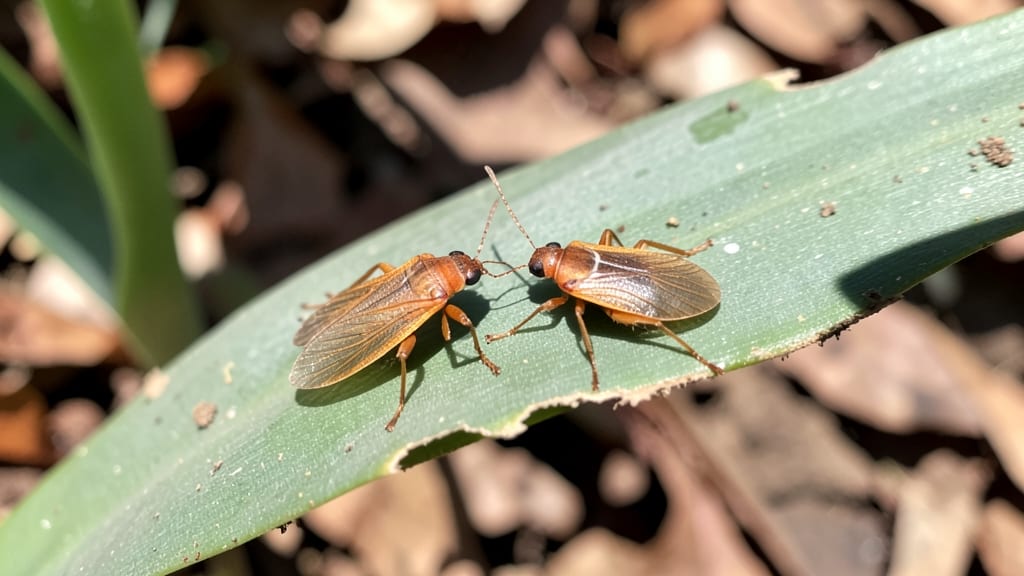
Orange bugs in your garden aren’t just a color—they’re often a warning sign of trouble. 🌿 I’ve spent years tracking down these little orange invaders, from the citrus-sucking aphids to the sneaky orange tortrix moths that shred leaves overnight.
The key isn’t just spotting them; it’s catching them before they turn your plants into a buffet.
Most gardeners reach for sprays first, but that’s like swinging a hammer at a gnat. Instead, I’ll show you how to disrupt their life cycle with targeted barriers, natural predators, and a few sneaky tricks that actually work—no chemicals required.
Think copper tape for slugs, but smarter for orange pests.
You’ll learn to identify the most common orange garden pests by their tell-tale damage (chewed leaves, sticky residue, or tiny orange eggs clustered on stems). Once you know what you’re dealing with, you can outsmart them with simple, low-tech solutions that keep your garden thriving without harming pollinators.
This works for vegetable gardens, citrus trees, and even houseplants—no matter where those orange bugs show up. Let’s get your garden back to lush and pest-free, the natural way.
Root Causes Of Bright Bugs
Those vibrant orange invaders in your garden aren’t just a random color—they’re nature’s way of signaling a deeper issue. Understanding why these bugs appear helps you address the real problem, not just the symptoms. Here’s a breakdown of the most common triggers, explained in simple terms with science-backed insights.
🌱 Overwatered Soil & High Humidity
Orange garden bugs—especially slugs, earwigs, or certain beetles—thrive in damp, oxygen-poor environments. When your soil stays soggy for too long, it creates the perfect breeding ground for these pests. Here’s why:
- Lack of oxygen: Overwatering displaces air in the soil, forcing bugs to surface in search of breathable conditions. This is why you’ll spot them after heavy rains or poor drainage.
- Fungal food source: Excess moisture encourages mold and decaying organic matter, which many orange bugs (like Dermestid beetles) feed on.
- Sluggish predators: Beneficial insects (e.g., ground beetles) become less active in wet soil, giving orange pests an easy meal.
Actionable fix: Test your soil’s drainage—amend with compost or perlite if it compacts easily. Water deeply but infrequently to avoid surface sogginess.
🍃 Decaying Plant Matter & Mulch Piles
Orange bugs are often scavengers, drawn to rotting leaves, fallen fruit, or thick mulch layers. Their bright coloration can even be a camouflage adaptation to blend into decomposing organic material. Key triggers:
- Protein-rich decay: Bugs like carpenter bees (with orange abdomens) target soft, rotting wood or fruit, while slugs feast on fermenting mulch.
- Moisture traps: Mulch piles act as micro-habitats, retaining humidity and sheltering eggs or larvae.
- Attracting secondary pests: Decaying matter lures flies, mites, and beetles, which in turn draw orange predators (like assassin bugs).
Actionable fix: Rake up leaf litter regularly, avoid over-mulching (keep layers 2–3 inches thick), and compost fallen fruit immediately.
🌿 Lack Of Natural Predators
Some orange bugs (e.g., ladybugs or soldier beetles) are actually beneficial, but an imbalance in your garden’s ecosystem can lead to explosive populations. When their predators vanish, these bugs multiply unchecked. Common causes:
- Pesticide overuse: Broad-spectrum sprays (like neonicotinoids) kill beneficial insects (e.g., lacewings, spiders) faster than the orange bugs themselves.
- Monoculture planting: Gardens with one type of plant (e.g., all roses) offer fewer food sources for predator diversity.
- Habitat loss: Removing brush piles or leaf litter destroys hiding spots for frogs, birds, and toads—key bug hunters.
Actionable fix: Introduce pollinator-friendly plants (e.g., dill, marigolds) and avoid systemic pesticides. Install a small water feature to attract amphibians.
🌡️ Warm, Sheltered Microclimates
Orange bugs often seek out warm, protected spots to lay eggs or overwinter. Your garden’s cozy nooks (like under pots, in crevices, or beneath dense foliage) become their headquarters. Why this happens:
- Temperature regulation: Bugs like orange tortoise beetles seek out 70–85°F ranges to thrive. South-facing walls or black plastic mulch create these hotspots.
- Egg-laying sites: Cracks in wood, bark mulch, or even the undersides of leaves provide safe, hidden places to deposit eggs.
- Overwintering survival: Some species (e.g., milkweed beetles) turn orange to absorb heat, helping them survive cold snaps in sheltered spots.
Actionable fix: Remove debris from garden edges, use reflective mulch (like straw) to deter heat-loving bugs, and store pots upside down in winter.
Pro tip: 💡 If you’re seeing swarms of orange bugs, it’s often a sign of a nutritional imbalance in your soil. Conduct a simple soil test—high nitrogen (from fresh manure or synthetic fertilizers) can attract slugs and beetles.
Effective Ways to Manage Garden Pests
Dealing with unwanted visitors in your garden can be frustrating, but with the right strategies, you can keep your plants thriving and your space pest-free. Below are targeted solutions for common issues, including those pesky orange garden bugs, slugs, and other critters that might be wreaking havoc.
Each fix is designed to be practical, easy to implement, and effective—so you can get back to enjoying your garden without the stress.
If your garden is acting like an all-you-can-eat restaurant for bugs, it’s time to clear the table. Many pests, including slugs and certain beetles, are drawn to decaying organic matter, overripe fruit, and damp mulch. Start by tidying up:
- 🍳 Clear Debris: Remove fallen leaves, rotting vegetables, and other organic debris from your garden beds and compost piles. These create hiding spots and food sources for pests.
- 👨🍳 Prune Regularly: Trim overgrown plants and dead branches to reduce shelter for bugs. This also improves airflow, making your garden less inviting to moisture-loving pests.
- 🥘 Store Produce Properly: Harvest ripe fruits and vegetables promptly. If you’re growing edibles, pick them before they soften or spoil—this cuts off a food supply for slugs and beetles.
💡 Pro Tip: If you compost, turn it frequently and avoid adding meat or dairy, which can attract unwanted critters.
For slugs, beetles, and other soft-bodied pests, physical barriers can be one of the most effective and humane solutions. These methods don’t rely on chemicals and can be customized to fit your garden’s layout.
- 🔪 Copper Tape or Wire: Slugs and snails dislike copper because it gives them a mild electric shock. Wrap copper tape around raised beds, pots, or create a barrier around vulnerable plants. This is especially effective for nighttime raiders.
- 🥘 Diatomaceous Earth (DE): Sprinkle food-grade DE around the base of plants. This natural powder damages the exoskeletons of insects like beetles and slugs, dehydrating them. Reapply after rain.
- ⏰ Coffee Grounds: Scatter used coffee grounds around plants—slugs and some beetles avoid the strong smell. Plus, it adds nitrogen to your soil!
- 🌱 Raised Beds with Mesh: If you’re dealing with larger pests like earwigs or cutworms, use fine mesh or hardware cloth to cover soil or create a barrier around plant stems.
🌡️ Pro Tip: Combine barriers with other methods for best results. For example, use copper tape around pots and diatomaceous earth around the base of hostas to create a multi-layer defense.
Encourage beneficial insects and animals to patrol your garden. Many of these predators feed on slugs, beetles, and other pests while keeping your ecosystem balanced.
- 🐸 Attract Toads and Frogs: These amphibians are slug and beetle magnets. Create a small pond or water feature to invite them in. Avoid pesticides, as they harm toads too.
- 🐞 Introduce Ground Beetles: These black-and-orange striped beetles (often mistaken for slugs!) are voracious predators of slug eggs, caterpillars, and other soft-bodied pests. Plant nightshades like eggplants or peppers to attract them.
- 🐝 Support Ladybugs and Lacewings: Release or attract these beneficial insects, which devour aphids, mites, and other garden pests. Plant dill, fennel, or yarrow to lure them in.
- 🐶 Chickens or Ducks: If you have space, a few free-range chickens or ducks can help control slugs and beetles naturally. Just supervise them to ensure they don’t overgraze your plants.
✨ Pro Tip: Avoid broad-spectrum pesticides, as they can harm these helpful predators. Opt for targeted sprays or manual removal instead.
If you prefer a hands-off approach, traps can help reduce pest populations without chemicals. These methods are especially useful for slugs and beetles that are active at night or in damp conditions.
- 🍺 Beer Traps: Bury a shallow container filled with beer near affected plants. Slugs and snails are attracted to the yeast and will drown. Refresh the beer every few days.
- 🥄 Yeast Traps: Mix a little brewer’s yeast with water in a shallow dish. This works similarly to beer but is less messy and more targeted.
- 🌙 Flashlights and Handpicking: After dark, use a flashlight to spot slugs and beetles. Pick them off by hand and drop them into a bucket of soapy water (this kills them humanely).
- 🍎 Fruit Traps: Place overripe fruit or citrus peels near plants to attract beetles. Check traps daily and dispose of pests far from your garden.
🎯 Pro Tip: For beetles, trap them early in the evening when they’re most active. Avoid using traps during the day, as they may attract beneficial insects too.
The best way to manage pests is to stop them before they become a problem. Here’s how to create a garden that’s less appealing to slugs, beetles, and other unwanted guests:
- 💧 Water Wisely: Avoid overwatering, especially in the evening. Damp conditions attract slugs and beetles. Water early in the day so soil dries out.
- 🌿 Choose Resistant Plants: Some plants naturally repel pests. For example, marigolds deter nematodes, and lavender repels many beetles. Interplant these with your vulnerable crops.
- 🌱 Mulch Strategically: Use coarse mulch like pine straw or gravel, which slugs and beetles struggle to cross. Avoid fine mulch, which retains moisture and attracts pests.
- 🌞 Improve Drainage: Pests love soggy soil. Amend clay or compacted soil with compost or sand to improve drainage and make your garden less hospitable.
- 🌱 Rotate Crops: If you grow the same plants year after year, pests can build up in the soil. Rotate your crops to disrupt their life cycles.
💡 Pro Tip: Healthy plants are more resilient to pests. Ensure your garden gets enough sunlight, nutrients, and proper spacing for airflow—this makes it harder for pests to take hold.
Frequently asked questions about orange garden bugs
Are all orange bugs harmful to my garden?
Not at all! Many orange garden bugs are actually beneficial. Ladybugs, soldier beetles, and hoverfly larvae help control pests like aphids. The key is identifying whether they’re chewing leaves (likely harmful) or patrolling for other insects (helpful). Focus on the damage pattern—ragged edges suggest caterpillars, while tiny holes often mean beetles.
Why do I see orange bugs swarming after rain?
Rain triggers two main behaviors: First, damp soil forces oxygen-seeking bugs (like earwigs or slugs) to surface. Second, rain washes away natural predators, leaving pests unchecked. The orange color in many species helps them blend into wet, decaying plant matter—perfect camouflage after storms. Clear debris and improve drainage to disrupt this cycle.
How can I tell if orange spots on leaves are bugs or something else?
Examine closely: Actual bugs leave distinct signs. Tiny orange eggs clustered on undersides of leaves? Likely orange tortrix moths. Chewed leaves with orange frass (poop) = caterpillars. For fungal issues, spots are usually powdery or fuzzy, not moving. Use a magnifying glass—if it’s crawling, it’s a bug (and probably harmful if it’s eating your plants).
Will neem oil work on orange garden bugs?
Neem oil can help, but with limitations. It’s most effective against soft-bodied pests like aphids or young caterpillars. For armored beetles (like tortoise beetles), their hard shells make neem less effective. Mix 1 tablespoon per gallon of water, spray at dusk, and reapply after rain. Pair it with physical barriers like diatomaceous earth for best results against beetle grubs.
Can orange bugs survive winter in my garden?
Many do! Species like milkweed beetles and some tortrix moths overwinter as adults, hiding in leaf litter or bark crevices. Others lay eggs that hatch in spring. To break their cycle, remove all plant debris in fall, store pots upside down, and consider reflective mulch (like straw) to deter heat-loving overwintering bugs. A late-season cleanup can reduce next year’s infestation by 70%.