
Pests
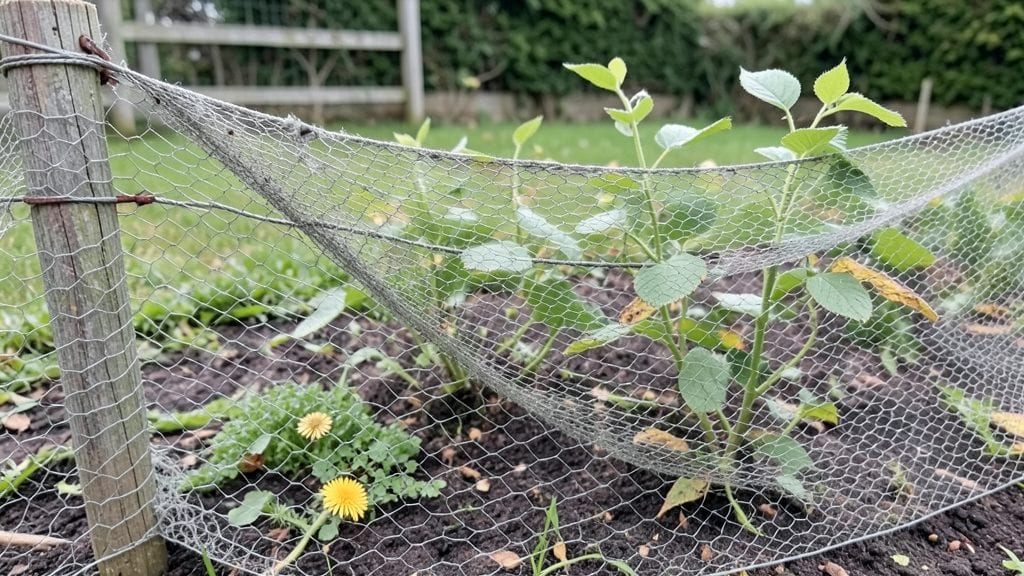
My garden used to look like a buffet for deer, rabbits, and birds—until I discovered the right netting to keep animals out. 🌿 It wasn’t just about throwing up some mesh; it was about finding the right material, installing it correctly, and making sure it lasted through rain, wind, and hungry critters.
The difference? A season of peace instead of panic.
You don’t need expensive materials or complicated setups—just a few key supplies like heavy-duty mesh, stakes, and zip ties. For deer, go with 6-foot-tall netting; for birds, fine mesh over fruit trees works wonders.
The trick is securing it tight, leaving no gaps where critters can squeeze through. Most people overlook the edges, and that’s where the damage happens.
Once it’s up, you’ll notice the change immediately—no more chewed leaves, stolen strawberries, or pecked-over tomatoes. The plants grow stronger because they’re not constantly under siege, and you’ll sleep better knowing your hard work isn’t a free meal for wildlife. It’s not just protection; it’s peace of mind.
Works for small raised beds, sprawling vegetable patches, or even single plants you refuse to lose. The best part? You can reuse it year after year if you take care of it. Let’s get your garden back—and keep the animals out where they belong.
📚 In This Guide
- What you need
- Instructions
- Tips and common mistakes
- Wrapping up and next steps
What you need
- ● Garden netting: Choose 19mm (0.75-inch) mesh or finer for small critters (rabbits, squirrels) or 32mm (1.25-inch) mesh for larger pests (deer, raccoons). Measure your garden’s perimeter and height—buy 10-20% extra for overlaps and adjustments. Pro tip: UV-stabilized polyester lasts longer! 🌞
- ● Stakes or posts: 6-8 ft wooden, metal, or plastic stakes (1 per 8-10 ft of garden edge). Opt for T-posts or U-shaped stakes for extra stability.
- ● Heavy-duty zip ties or clips: 50-100 units (galvanized or UV-resistant) to secure netting to stakes and between sections.
- ○ Bungee cords or rope: 20-30 ft (optional but helpful for temporary fixes or windy areas).
- ● Measuring tape (25 ft for accuracy).
- ● Scissors or utility knife (for trimming netting).
- ● Gloves (to protect hands from prickly netting or thorns).
- ○ Staple gun + staples (optional, for attaching netting to fences or trellises).
- ● Ladder (if your garden has tall plants or fences).
- ● Ground anchors or sandbags (to weigh down netting edges in windy areas).
- ● Reflective tape (attach to netting to deter deer—they hate surprises!).
- ○ Solar-powered motion lights (optional but highly effective for scaring nocturnal pests).
Step-by-step guide to installing garden netting effectively
Here’s how to create a protective barrier that actually stops critters without stressing your plants.
🪴 Step 1: Measure and Select the Right Netting
First, measure the area you need to protect—height, width, and depth. For most vegetable gardens, 4-foot tall netting works best, but taller netting is better for fruit trees or sprawling crops like melons. I like 1/2-inch mesh for general use—it keeps out rabbits, deer, and even hungry squirrels while still allowing airflow and light.
If you’re covering rows, calculate the total square footage and buy 10-15% extra to account for overlaps and mistakes. For raised beds, a 3-foot wide roll is perfect—just unroll it directly over the top. Avoid cheap plastic netting; it tears easily and lets pests through. Look for UV-resistant, durable fabric that won’t degrade in a season.
✂️ Step 2: Secure the Netting Properly
Start by stretching the netting tightly over the garden area—no sagging, or animals will chew through it. For rows, use T-posts or stakes every 4-6 feet along the edges, driving them 12-18 inches deep for stability. For raised beds, drape the netting over the top and weigh down the corners with bricks, rocks, or sandbags to prevent wind from lifting it.
Here’s the thing—don’t skip the edges. Animals will burrow under loose netting, so bury the bottom 2-3 inches deep or use landscape fabric underneath to create a barrier. For taller plants, secure the netting to the top of stakes with zip ties or heavy-duty clips, ensuring no gaps larger than 1 inch—that’s all a rabbit needs to squeeze through.
🌿 Step 3: Adjust for Plant Growth and Weather
As your plants grow, check the netting weekly to make sure it’s still snug. Loose netting flutters in the wind and can tear. For vining plants like cucumbers or beans, leave 6-8 inches of extra netting at the top so you can pull it up as the plants climb. If you’re using it for trees, wrap the netting loosely around the trunk at the base to prevent gnawing.
After heavy rain, the netting can get soggy and heavy, so prop it up with additional stakes if needed. In windy areas, add horizontal support wires every 2 feet to keep it taut. If you notice holes, patch them immediately with duct tape or fabric glue—animals will exploit even small openings.
💧 Step 4: Remove and Store When Not in Use
Once harvest season is over, fold and store the netting dry in a plastic bin or garage to prevent mold and mildew. Before putting it away, give it a quick shake and brush off any debris—dirt and plant matter can attract pests over winter. If you’re reusing it next year, inspect for fraying or tears and repair them before installation.
Real talk: Don’t leave netting on year-round unless you’re protecting perennials. Decaying plant matter trapped underneath can create a breeding ground for slugs and fungi. Store it off the ground on a shelf or hook to keep it clean and ready for next season.
Tips & tricks for perfect garden netting installation
Here's what nobody tells you about keeping your garden safe from critters without sacrificing plant health.
The Height Factor: Remember that 4-foot tall netting is ideal for most veggies, but don't be afraid to go taller for fruit trees or sprawling crops like melons. I learned this the hard way when my melon vines escaped through a 4-foot barrier—now I always add 6-8 inches extra at the top for climbing plants. The extra few inches of netting can save your entire harvest from determined critters.
Staking Strategy: When using T-posts or stakes every 4-6 feet, drive them 12-18 inches deep for maximum stability. I discovered the hard way that shallow stakes won't hold up in windy conditions—your netting will sag, creating perfect entry points for rabbits. For extra security, add horizontal support wires every 2 feet in windy areas. This creates a proper cage structure that won't flap around.
Edge Protection: This is where most installations fail. Don't just drape the netting over your garden—bury the bottom 2-3 inches deep or use landscape fabric underneath to create a complete barrier. I've seen deer easily dig under loose netting, but with proper edge protection, they'll move on to easier targets. For raised beds, use bricks or sandbags to weigh down all corners—no gaps larger than 1 inch anywhere.
Maintenance Secret: Set a reminder to check your netting weekly during growing season. Loose netting from wind or plant growth creates instant entry points. I keep a small roll of duct tape in my gardening shed for quick repairs. For vining plants, leave that extra netting at the top—you'll thank yourself when your cucumbers and beans can climb safely without breaking through the barrier.
Pro Tips for Netting To Keep Animals Out Of Garden
- Here's what nobody tells you about keeping your garden safe from critters without sacrificing plant health.
- The Height Factor: Remember that 4-foot tall netting is ideal for most veggies, but don't be afraid to go taller for fruit trees or sprawling crops like melons.
- Staking Strategy: When using T-posts or stakes every 4-6 feet, drive them 12-18 inches deep for maximum stability.
Frequently asked questions
Got questions about keeping critters out of your garden? You’re not alone! Here are answers to the most common concerns about using netting as a protective barrier—so you can garden with confidence.
What’s the best type of netting for different animals?
For rabbits and deer, use 1-inch mesh hardware cloth—it’s sturdy and chew-proof. Birds need fine mesh (¼-inch or smaller), while squirrels require ½-inch mesh or even smaller. Always check the netting’s UV resistance to prevent degradation in sunlight.
When is the best time to install garden netting?
Install netting before planting (early spring) to protect seedlings, or right after harvest to safeguard empty beds. For perennials, drape netting in late winter before new growth appears. Pro tip: Secure edges tightly—animals exploit gaps!
Is netting reusable, or do I need to replace it yearly?
High-quality netting (like polypropylene or galvanized steel) lasts 3–5 years if stored properly (dry, shaded). Check for tears or UV damage annually. Cheap plastic netting may degrade faster—invest in durability to save money long-term.
What’s the easiest way to secure netting without damaging plants?
Use soft clips, bamboo stakes, or T-posts to avoid piercing stems. For delicate plants, drape netting loosely over hoops or trellises. Weigh down edges with bricks or rocks to prevent wind from lifting it. Avoid wire ties—they can cut into plant tissue over time.
Will netting keep out dogs or cats that dig in the garden?
Netting alone won’t stop determined diggers, but combine it with a buried wire barrier (6–12 inches deep) for extra defense. For pets, use decorative fencing or raised beds instead. Supervise pets near gardens—they may still try to climb over!
Does netting trap heat or moisture, harming plants?
If netting is too tight, it can trap heat or humidity—especially in hot climates. Use lightweight, breathable mesh and leave gaps at the bottom for airflow. In humid areas, remove netting during rain to prevent fungal issues.
Are there alternatives to netting for small gardens?
Yes! Try:
- Row covers (lightweight fabric for seedlings).
- Chicken wire (temporary rabbit deterrent).
- Natural repellents (like garlic spray or predator urine).
- Raised beds (harder for burrowing animals to access).
For large gardens, netting is still the most effective long-term solution.
Wrapping up and next steps
Keeping critters out of your garden doesn’t have to be a battle—netting is your secret weapon! 🌱 Whether you’re protecting tender veggies, delicate flowers, or hard-earned harvests, the right materials and setup make all the difference.
From lightweight mesh for butterflies to sturdy netting for birds, there’s a solution tailored to your needs.
Ready to reclaim your garden? Start small: Test a section with netting, observe what works, and expand as needed. With a little prep, you’ll enjoy a thriving, pest-free oasis—without the stress! Happy gardening! 🌿