
Tools
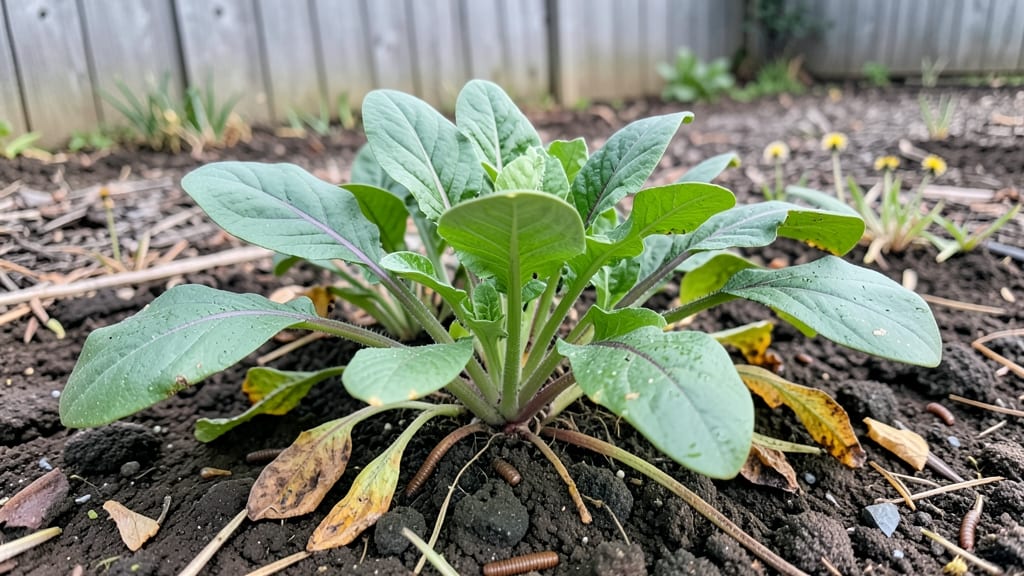
Growing mustard greens in your garden delivers a peppery punch in just 60 days—no waiting months for harvests like with tomatoes or peppers. I’ve grown them every spring for years, and they’re the fastest, most rewarding green for impatient gardeners who want flavor without fuss.
The secret? They thrive in cool weather, bolt in heat, and pack more zing per square foot than spinach or kale.
You’ll need a sunny spot with well-draining soil, some patience for thin seedlings, and a spray bottle for gentle watering. Mustard greens are forgiving—even my black thumb can’t kill them—but they demand consistent moisture and cooler temps to avoid bitter bolts.
The right spacing keeps leaves crisp, and a few companion plants (like radishes or carrots) can improve flavor and yield. I’ve never grown more than a 4x8-foot patch, but even that feeds my family for weeks.
By day 45, you’ll be harvesting glossy, dark green leaves with a sharp, tangy kick—perfect for salads, stir-fries, or sautéing. The first cuts encourage bushier regrowth, so you’ll get two harvests from one planting.
Just watch for flea beetles (tiny holes in leaves) and keep the soil moist to deter them. The payoff? A garden that tastes like a restaurant and costs pennies to grow.
Works in containers too—just use a deep pot (12+ inches) and keep it in partial shade if summer hits early. The key is timing: plant in early spring or fall when temps stay below 75°F. Once you master this, you’ll never buy store-bought greens again.
📚 In This Guide
- What you need
- Instructions
- Tips and common mistakes
- Wrapping up and next steps
What you need
- ● Mustard green seeds: ½ to 1 lb (choose fast-maturing varieties like 'Southern Giant Curled' or 'Tendergreen').
- ● Growing containers or garden bed: For containers: 5–10 gallon pots (at least 6 inches deep) with drainage holes.
- ● For in-ground planting: Well-draining soil in a sunny spot (6+ hours of sunlight daily).
- ● Potting soil or garden soil: 5–10 bags (sterile, nutrient-rich mix like Miracle-Gro Garden Soil).
- ● Compost or organic fertilizer: 1–2 bags (e.g., Fish Emulsion or Alfalfa Meal for nitrogen).
- ● Watering can or hose: With a gentle spray nozzle for even moisture.
- ○ Row cover or shade cloth (optional): Lightweight fabric to protect seedlings from pests or harsh sun.
- ● Hand trowel or transplanting spade: For planting seeds and seedlings.
- ○ Gloves (optional): To keep hands clean while handling soil.
- ● Pruning shears: For harvesting outer leaves without damaging the plant.
- ○ pH test kit (optional): To ensure soil pH is between 6.0–7.0 (ideal for mustard greens).
How to plant and grow mustard greens for a quick harvest
Here's how I get fast-growing, peppery mustard greens from seed to table in just two months.
Prepare the Soil for Fast Germination
Mustard greens thrive in loose, nutrient-rich soil that drains well. Work the 3 gallons of potting mix into your garden bed or large container, breaking up any clumps by hand until it feels fluffy like crumbled cake. The key here is avoiding compaction—mustard roots need air to spread quickly. Mix in the 1 tablespoon of 10-10-10 fertilizer evenly, then water deeply until the soil is moist 1 inch down. You'll know it's ready when a handful compresses slightly but doesn't form a hard ball.
For containers, fill your 12-inch square planter with the potting mix, leaving 1 inch of space at the top. Tap the container gently to settle the soil without packing it down. Mustard greens don't like soggy feet, so if your container lacks drainage holes, add a 2-inch layer of perlite at the bottom first. The perlite prevents waterlogging while still allowing roots to penetrate.
Sow Seeds for Optimal Spacing
Mustard greens grow best when sown directly in the garden—they dislike being transplanted. Scatter the 20 seeds thinly across the prepared bed, spacing them about 1 inch apart in rows that are 12 inches apart. Press each seed gently into the soil with your thumb, just enough to cover it with ¼ inch of soil. Here's the thing—mustard seeds are tiny, so I like to use a seed spreader or sprinkle them over a sheet of newspaper first, then transfer them to the soil in rows. This keeps them evenly spaced and prevents overcrowding.
After sowing, water gently with a fine mist spray bottle until the soil surface looks uniformly damp. Avoid heavy watering at this stage—you want the seeds to stay in place without washing away. Cover the bed with 1 square foot of row cover fabric to protect young seedlings from pests and retain moisture. The fabric should sit lightly on the soil without pressing down. You'll see sprouts in 5-7 days if temperatures stay between 60-75°F.
Thin Seedlings for Strong Growth
When seedlings reach 2 inches tall (about 2-3 weeks after sowing), it's time to thin them. Use sharp scissors to snip unwanted seedlings at soil level rather than pulling—this prevents disturbing the roots of nearby plants. Leave the strongest seedlings 3-4 inches apart in rows. You'll end up with about 10-12 plants in your bed, which is perfect for a small family harvest. The thinnings can be eaten like baby greens if you're feeling generous.
After thinning, water the remaining plants at the base with ½ gallon of water to settle the soil around their roots. Mustard greens grow quickly but need consistent moisture—1 inch per week is ideal. If your area gets hot, water in the early morning to reduce evaporation. You'll notice new leaves emerging within a week, and that's your signal everything is working. Keep an eye out for yellowing leaves, which usually means the soil is too wet or the plants need more nitrogen.
Maintain for a Continuous Harvest
Mustard greens are ready to harvest 30-40 days after sowing, but you can start picking outer leaves as soon as they reach 4 inches long. This encourages bushier growth and extends your harvest window. Cut leaves with clean scissors, leaving the center of the plant intact. For a full harvest, cut the entire plant 2 inches above the soil when leaves reach 6-8 inches. You'll get a second flush of growth in 2-3 weeks if you keep the soil moist and fertilized.
To keep plants productive, apply the remaining 1 tablespoon of 10-10-10 fertilizer when you see the first signs of bolting (long flower stems). This slows down the plant's urge to reproduce and keeps it focused on leaf production. Mustard greens bolt quickly in warm weather, so if temperatures rise above 75°F, consider growing them in partial shade during the hottest part of the day. With proper care, you'll have enough greens for 4 servings every 2-3 weeks throughout the season.
Tips & tricks for perfect mustard greens garden
Growing mustard greens from seed to harvest doesn't have to be complicated—these tips will help you avoid common pitfalls and maximize your peppery yield.
Soil Preparation Secret: When working with your 3 gallons of potting mix, don't just break up clumps—actually test the soil's readiness. After mixing in the 1 tablespoon of 10-10-10 fertilizer, grab a handful and squeeze it gently. It should hold its shape but crumble easily when you poke it with your finger. This "cake crumb" texture is perfect for mustard roots to spread quickly without suffocating. For containers, that 2-inch layer of perlite at the bottom isn't just for drainage—it also creates air pockets that prevent the dreaded "soggy feet" syndrome that stunts growth.
Seed Spacing Strategy: That 1-inch spacing between seeds might seem generous, but trust me—it's worth it. Mustard greens grow fast, and crowded plants develop weak stems that flop over. I've learned the hard way that skipping this step leads to leggy, bitter greens. Pro tip: If you're short on space, you can double up seeds in a 12-inch square planter by planting them in a grid pattern rather than rows, but be prepared to thin more aggressively. The key is maintaining that 3-4 inch spacing after thinning to give each plant room to develop strong roots.
Temperature and Moisture Balance: The 60-75°F range mentioned for germination isn't just arbitrary—it's the sweet spot where mustard seeds sprout reliably in 5-7 days. If your area gets cooler than 60°F, consider using a heat mat under your containers or planting in a sunny window until sprouts appear. And that 1 inch of water per week isn't about drowning the plants—it's about consistent moisture. I've found that watering in the early morning gives the leaves time to dry before evening, reducing the risk of fungal issues that can turn your greens yellow and slimy.
Harvesting Hack: When you're ready to harvest those outer leaves at 4 inches, don't just grab any leaf—choose the largest, most mature ones first. This encourages the plant to produce more leaves rather than bolting prematurely. For that full harvest when leaves reach 6-8 inches, cutting 2 inches above the soil actually stimulates new growth from the base. I've gotten three full harvests from one planting by following this method, and the second flush always tastes even more peppery than the first!
Pro Tips for Mustard Greens Garden
- Growing mustard greens from seed to harvest doesn't have to be complicated—these tips will help you avoid common pitfalls and maximize your peppery yield.
- Soil Preparation Secret: When working with your 3 gallons of potting mix, don't just break up clumps—actually test the soil's readiness.
- Seed Spacing Strategy: That 1-inch spacing between seeds might seem generous, but trust me—it's worth it.
Frequently asked questions
Got questions about growing mustard greens?
You’re not alone! Here are answers to the most common queries to help you cultivate a thriving garden with confidence.
How long does it take for mustard greens to grow?
Mustard greens are fast growers—ready to harvest in just 30–60 days from seed! For baby greens, pull leaves when they’re 4–6 inches tall. If you’re growing full-sized plants, wait until they reach 12–18 inches. Successive plantings every 2–3 weeks keep your harvests rolling.
Can I grow mustard greens in hot weather?
Mustard greens thrive in cool to mild temperatures (50–75°F), but they can bolt (go to seed) in extreme heat. For summer growing, opt for heat-tolerant varieties like ‘Southern Giant Curled’ or plant in partial shade. Mulch with straw to retain moisture and prevent soil overheating.
What’s the best way to harvest mustard greens?
Harvest leaves from the outer edges first, leaving the inner growth to keep producing. For baby greens, snip whole plants at the base. Use clean scissors or your hands—avoid tearing leaves. Pro tip: Harvest in the morning for the freshest, most tender greens!
Can I regrow mustard greens after cutting?
Yes! Mustard greens are cut-and-come-again crops. After harvesting, trim leaves to 2–3 inches above the soil. Keep the soil moist and fertilize lightly (like with compost tea) to encourage regrowth. You’ll get 2–3 harvests per planting before bolting or pests take over.
What pests or diseases should I watch for?
Common issues include aphids, flea beetles, and cabbage worms. Use row covers early to deter pests, or spray with neem oil. For diseases like downy mildew, improve airflow with spacing and avoid overhead watering. Rotate crops yearly to prevent soil-borne problems.
Wrapping up and next steps
Growing mustard greens in your garden is a rewarding journey—packed with speed, nutrition, and bold flavor in just 60 days! With the right soil, sunlight, and care, you’ll enjoy a harvest that’s both fast and delicious, perfect for salads, sautés, or juices.
Whether you’re a beginner or a seasoned gardener, this leafy green is your ticket to a quick, vibrant, and healthy harvest.
Ready to dig in? Start small, experiment with varieties, and watch your garden transform into a flavor-packed powerhouse. Next up: grab your seeds, mark your calendar, and get planting—your taste buds (and body) will thank you!