
Tools
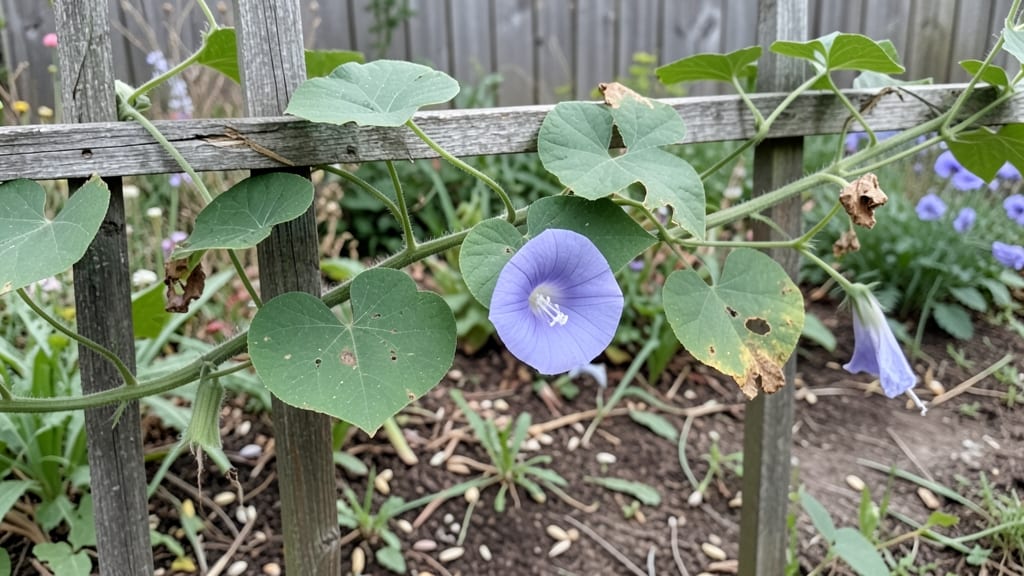
My morning glory garden transformed a blank fence into a daily spectacle of blue, purple, and pink blooms that last from June until frost. ✨ The secret lies in pairing the right vines with sturdy supports and a few strategic companion plants—no fancy design skills required.
I started with just a handful of seeds and a cheap trellis, and now my garden feels like a storybook come to life.
You’ll need 5-10 morning glory seeds per plant (they’re cheap and prolific), a 6-foot trellis or fence, and a sunny spot with at least 6 hours of direct light.
Add a few marigolds or nasturtiums at the base to deter pests and attract pollinators—those little bees will make your garden hum with life. For small spaces, try a small obelisk or even a sturdy bamboo pole—morning glories climb anything with grip.
By midsummer, you’ll wake to velvety trumpets of color unfurling each morning (hence the name!) and fading by afternoon—a fleeting but magical show. The vines grow 6-10 feet in a season, so train them early to avoid tangled messes.
Deadhead spent blooms to encourage more flowers, and save seeds for next year—they’re foolproof to grow from scratch.
Works in cottage gardens, pollinator patches, or even urban balconies—just adjust the scale. My favorite combo? Blue morning glories with white clematis for contrast, or purple varieties with golden coreopsis for a sunlit glow. Let’s make your space bloom upward!
📚 In This Guide
- What you need
- Instructions
- Tips and common mistakes
- Wrapping up and next steps
What you need
- ● Morning glory seeds or plants: Choose Ipomoea purpurea (common morning glory) or Ipomoea nil (heavenly blue) varieties.
- ● Quantity: 10–20 seeds per vine (or 3–5 young plants for quick results).
- ● Support structure: Trellis (6–8 ft tall), arbor, or sturdy fence (galvanized metal or wood).
- ○ Optional: Twine or garden twine for weaving (if using a lattice).
- ● Well-draining soil: Loamy or sandy soil (amend with compost for fertility).
- ● pH: 6.0–7.0 (neutral to slightly acidic).
- ● Watering can or hose: With a gentle spray nozzle for seedlings.
- ○ Fertilizer (optional but helpful): Balanced 10-10-10 or slow-release granular fertilizer (follow package rates).
- ● Garden trowel or hand shovel for planting.
- ● Pruning shears (for trimming dead vines later).
- ● Gloves (to protect hands from thorns on some varieties).
- ● Sunlight: Full sun (6+ hours daily) for best blooms.
- ● Space: Minimum 3–5 ft between plants for airflow.
- ● Mulch (straw or shredded bark) to retain moisture.
- ● Epsom salt (1 tbsp/gallon of water) for magnesium boost.
- ● Decorative accents (wind chimes, solar lights) for ambiance.
- ● Seed-starting kit if germinating indoors first.
How to create a thriving morning glory vertical garden
Here's the straightforward approach I've used to transform bare walls into lush, living tapestries.
🌱 Step 1: Select and Prepare Your Support Structure
Morning glories need sturdy vertical support—think trellises, arbors, or strong fences. I recommend 6-foot tall wooden lattice panels for small gardens or metal cable systems for larger spaces. The structure must handle 10-15 pounds per vine once mature, so check for wobble before planting.
If using a trellis, space horizontal slats 4-6 inches apart—this gives vines purchase to climb. For cable systems, stretch galvanized steel wires in a crisscross pattern with 12-inch spacing between intersections. The key is creating multiple climbing points so vines don't get tangled in one spot.
Here's the thing—morning glories climb using twining stems, not tendrils. They'll spiral around anything sturdy, but rough-textured supports (like lattice) give them better grip than smooth metal poles. I always add upholstery fabric strips to metal wires for extra traction.
☀️ Step 2: Choose the Perfect Planting Location
Morning glories thrive in full sun to partial shade, but for maximum blooms, aim for at least 6 hours of direct sunlight daily. I plant mine along south or west-facing walls where they get afternoon sun without afternoon heat stress in hot climates.
Watch for reflective surfaces—white walls or pavement can bake the soil. If your space gets intense afternoon sun, mulch heavily with 2-3 inches of shredded bark to keep roots cool. The soil should stay moist but well-drained—these vines hate soggy feet.
Real talk: if you only have morning sun, you'll still get flowers, but they'll be smaller and less frequent. The trade-off is worth it if your only option is shade—morning glories are more forgiving than most vines about light conditions.
💧 Step 3: Plant Seeds at the Right Time and Depth
Direct-sow seeds after your last frost date when soil reaches at least 60°F. I've found that mid-to-late spring works best in most zones, but in warm climates, you can plant as early as February. The secret is waiting until nighttime temperatures stay above 50°F—cold snaps will kill seedlings.
Plant seeds ½ inch deep, spacing them 6-8 inches apart in rows 12 inches apart. I use a seed spacing wheel to keep rows straight—morning glories self-seed aggressively, and you don't want a jungle. Water gently after planting to settle the soil around seeds.
Don't be tempted to transplant seedlings—morning glories hate root disturbance. If you start them indoors, you'll need to harden off for 2 weeks before moving them outside, but I've had better luck just sowing directly in the garden.
✂️ Step 4: Train Vines and Maintain Growth
Once vines reach 6-8 inches tall, they'll start climbing on their own, but you can guide them by loosely tying main stems to the support structure with soft twine. The goal is to encourage upward growth without restricting natural movement—morning glories grow 3-5 feet per week in ideal conditions.
Deadhead spent blooms every 2-3 days to encourage continuous flowering. I pinch off flowers in the morning when they're still closed—this prevents seed pods from forming and redirects energy to new blooms. The more you deadhead, the longer your display lasts.
Watch for powdery mildew in humid climates. If you see white powder on leaves, spray with a 1:1 water-vinegar mix in the early morning when leaves are dry. Prevention is key—space plants properly and avoid overhead watering to keep foliage dry.
🌿 Step 5: Extend the Season with Proper Care
Morning glories are annuals, but they self-seed so generously that you'll often get volunteer plants the following year. To encourage this, let some flowers go to seed—the pods will burst open when dry, scattering seeds everywhere.
In fall, cut back vines to 12 inches above ground level. The remaining stems will provide winter interest and protect the base from frost. I leave the seed pods on a few plants to ensure next year's crop, but remove them if you want to control where new plants appear.
Here's the moment that matters: if you want longer blooming seasons, try succession planting. Sow a second batch of seeds 6-8 weeks after your initial planting—this gives you continuous color from early summer through fall. Just remember to water consistently during dry spells, as young seedlings are more drought-sensitive than mature vines.
Tips & tricks for perfect morning glory vertical gardens
Between us, creating a stunning morning glory vertical garden isn't just about planting seeds—it's about understanding the subtle details that make all the difference. Here's what nobody tells you about transforming bare walls into vibrant living tapestries.
Support Structure Secrets: In Step 1, when choosing your support, remember that morning glories need both stability and texture. While 6-foot lattice panels work beautifully, I've found that adding upholstery fabric strips to metal wires creates the perfect climbing surface—vines grip better and grow faster. The 12-inch spacing between cable intersections is critical too; too tight and vines tangle, too wide and they flop. I always test stability by gently pushing the structure—if it wobbles, the vines will too.
Soil Temperature Matters: The 60°F soil temperature requirement in Step 3 isn't just arbitrary—it's when morning glory seeds become active. I've learned this the hard way after planting too early in cool climates. Use a soil thermometer to confirm before planting, especially in spring. And remember, those 50°F nighttime temperatures are just as important as daytime warmth—cold snaps will kill tender seedlings overnight.
Deadheading Discipline: That every 2-3 days deadheading in Step 4 isn't just about looks—it's about plant physiology. When you remove spent blooms, you're telling the plant to redirect energy to new flowers instead of seed production. I set a reminder on my phone because I've seen gardens go from abundant blooms to seed pods in just two weeks when deadheading gets neglected. The morning is the best time to do this—flowers are still closed and easier to spot.
Succession Planting Strategy: The 6-8 week succession planting window in Step 5 is your secret weapon for extended blooms. I've used this technique to create gardens that flower from June through October. The key is planting the second batch when your first vines are about half their mature height—this creates a beautiful staggered display. Just remember to water new seedlings more frequently during dry spells, as they're more drought-sensitive than established vines.
Pro Tips for Morning Glory Garden
- Between us, creating a stunning morning glory vertical garden isn't just about planting seeds—it's about understanding the subtle details that make all the difference.
- Support Structure Secrets: In Step 1, when choosing your support, remember that morning glories need both stability and texture.
- Soil Temperature Matters: The 60°F soil temperature requirement in Step 3 isn't just arbitrary—it's when morning glory seeds become active.
Frequently asked questions
Got questions about creating your own morning glory garden? You’re not alone—these stunning vines are full of surprises! Here are answers to the most common queries to help you grow with confidence.
When is the best time to plant morning glory seeds?
Plant morning glory seeds after the last frost when soil temperatures reach at least 60°F (15°C). For warm climates, direct-sow seeds in early spring; cooler zones may wait until late spring. They germinate quickly (5–10 days) but need consistent warmth—so avoid planting too early! Pro tip: Use black plastic mulch to warm the soil faster.
How long does it take for morning glory to bloom?
With ideal conditions, you’ll see first blooms in 6–8 weeks after planting! Fast-growing varieties like ‘Heavenly Blue’ can flower even sooner (4–6 weeks). Patience pays off—vines climb aggressively, so provide sturdy trellises early to support their rapid growth. Bonus: Deadhead spent flowers to encourage nonstop blooms all season.
Can morning glory grow in containers or small spaces?
Morning glories thrive in containers 12+ inches deep with drainage holes. Choose compact varieties like ‘Fountain of Youth’ for balconies or trellises. Just ensure they get 6+ hours of sun daily and water consistently—containers dry out faster than garden beds. Tip: Mix in compost for nutrient-rich soil.
What pests or diseases should I watch for?
Morning glories are generally low-maintenance, but keep an eye out for aphids, spider mites, or powdery mildew in humid climates. Blast pests off with water or use neem oil as a preventative. Overcrowded plants may develop fungal issues—space vines 12–18 inches apart for airflow. Fix: Prune affected leaves and improve drainage.
Are there morning glory alternatives for different colors?
Yes! If you love the look but want variety, try:
- Sweet peas (fragrant, cool-season climbers)
- Honeysuckle (golden blooms, attracts pollinators)
- Ipomoea batatas (edible sweet potato vine, purple/chartreuse leaves)
- Nasturtiums (edible, bright orange/yellow flowers)
Wrapping up and next steps
Transforming your space into a morning glory garden is easier—and more rewarding—than you think! These vibrant vines bring instant vertical beauty, boost curb appeal, and even attract pollinators with minimal effort.
Whether you’re a seasoned gardener or a curious beginner, the key is to start small, choose the right variety, and let nature do the rest.
Ready to climb into action? Grab your supplies, pick a sunny spot, and watch your wall (or fence) burst into color! 🌸 For extra inspiration, browse local nurseries or join gardening forums to share your progress—your future self (and neighbors!) will thank you.