
Vegetables
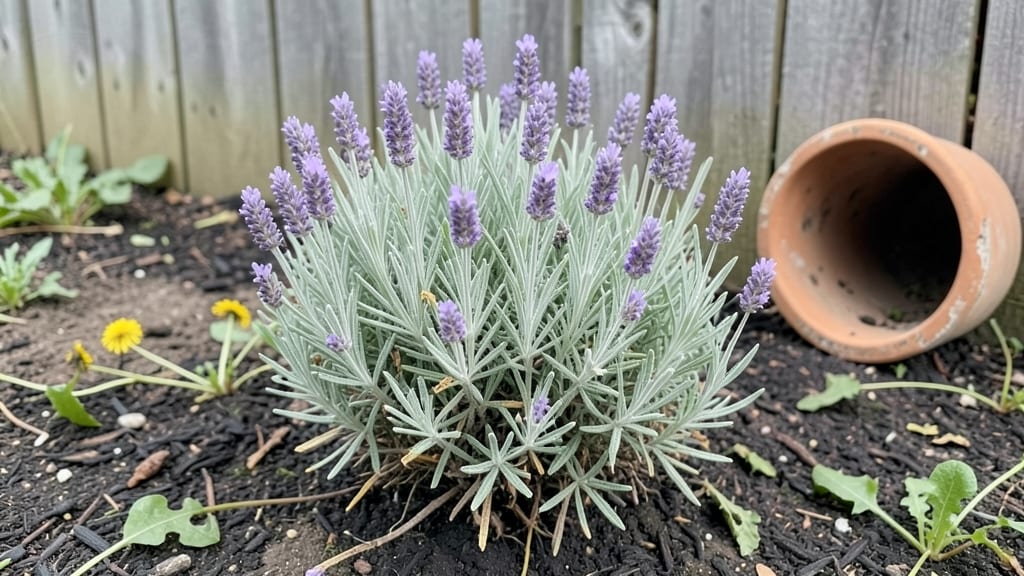
Monty Don’s Italian gardens bring sun-drenched Mediterranean beauty to even the smallest yards—think sun-baked terracotta, fragrant herbs, and vines climbing pergolas that cast dappled shade. 🌿 I’ve spent years adapting these principles to my own compact space, and the results are nothing short of transformative: a garden that feels like a Tuscan hillside, but with zero acres required.
The key is working with what you’ve got: 5-gallon terracotta pots for olive trees, wrought-iron trellises for climbing roses, and lavender hedges that double as living room dividers. Monty’s approach focuses on formal symmetry, but even a single pergola draped with jasmine can create that signature Italian drama.
The plants themselves are the stars—drought-tolerant rosemary, lemon verbena that smells like summer, and purple basil that thrives in heat.
What you’ll end up with is a space that’s both practical and breathtaking—think fresh herbs within arm’s reach, shade for al fresco dining, and a color palette of sage green, terracotta red, and sky blue.
The best part? This style works in Zone 7 through Zone 10, with adjustments for cooler climates (more evergreens, windbreaks, and winter protection). Even in a 6-by-8-foot patio, you can nail the look.
Here’s the game-changer: Italian gardens aren’t about grand gestures—they’re about layering textures, heights, and fragrances in a way that feels intentional yet effortless. Start small, steal Monty’s tricks, and let the Mediterranean charm unfold. Ready to bring a slice of Italy home?
📚 In This Guide
- What you need
- Instructions
- Tips and common mistakes
- Wrapping up and next steps
What you need
- ● Soil: 3-5 bags (10-15 gallons each) of well-draining, nutrient-rich potting mix (look for labels like "Italian Garden Soil" or "Mediterranean Blend").
- ● Plants: 1-2 lavender bushes (compact varieties like 'Hidcote' or 'Munstead').
- ● 3-5 herbs (basil, rosemary, thyme, oregano—choose dwarf or patio-friendly types).
- ● 1-2 citrus trees (dwarf Meyer lemon or calamondin, in 1-gallon pots).
- ● 1-2 tomato plants (cherry or Roma varieties, disease-resistant).
- ● 1-2 olive trees (miniature or 'Arbequina' in 3-gallon pots).
- ● Mulch: 1-2 bags of gravel or pebbles (for pathways) and pine bark chips (for beds).
- ● Containers: 2-3 terra-cotta pots (12-18 inches in diameter, for herbs and tomatoes).
- ● 1-2 wooden planters (cedar or resin, 14-20 inches deep, for citrus).
- ● 1 raised bed (4x8 feet or smaller, 6-12 inches deep, for lavender/olives).
- ● Hand Tools: 1 trowel (for planting and weeding).
- ● 1 pruners (bypass type, for shaping herbs and lavender).
- ● 1 garden fork (for aerating soil).
- ● 1 watering can (with a rose attachment for gentle watering).
- ○ Optional (But Helpful!): 1 pH testing kit (to ensure soil acidity is right for Mediterranean plants).
- ● 1 drip irrigation kit (for efficient watering in small spaces).
- ● 1 sun calculator app (to track light exposure for your space).
- ● A sunny spot (at least 6-8 hours of direct sunlight daily).
- ● Access to water (a nearby hose or watering station).
- ● Basic knowledge of pruning and pest control (or willingness to learn!).
- ● Patience! Mediterranean plants thrive with time and consistent care—just like Monty’s!
Instructions for creating Monty Don-inspired Italian gardens
Monty Don’s Italian gardens thrive on structure, texture, and Mediterranean charm—even in small spaces. Here’s how to capture that essence with deliberate planting and classic design principles.
🪴 Step 1: Define Your Space with Structural Plants
Start by anchoring your garden with evergreen shrubs like boxwood or lavender, which Monty Don often uses for clean lines and year-round interest. Place them in 3-4 foot intervals to create a natural framework—think of them as the "walls" of your Italian garden. I like to position taller varieties, such as rosemary or dwarf olive trees, toward the back or center to draw the eye upward, mimicking the layered look of Tuscan courtyards.
Use 1-gallon containers for flexibility, allowing you to rearrange plants as your garden evolves. The key is symmetry without rigidity—Monty Don’s designs feel intentional but never stiff. For example, pair two identical lavender bushes flanking a central path or window, but leave room for asymmetry in the fillers.
🌱 Step 2: Layer with Mediterranean Fillers and Ground Cover
Fill the gaps between structural plants with drought-tolerant perennials like salvia, sedum, or thymus, all of which thrive in the Mediterranean climate Monty Don emulates. These plants should spill slightly over edges, creating that lush, cascading effect you see in Italian hillside gardens. Aim for 18-24 inches of vertical height variation—taller plants in the center, medium-height varieties in the middle layer, and low-growing ground covers like creeping thyme or ajuga at the base.
Monty Don often incorporates herbs in pots along pathways, so consider adding small containers of rosemary, oregano, or bay laurel near seating areas. These not only serve a functional purpose but also reinforce the Italian aesthetic. Water deeply once a week, allowing the soil to dry slightly between sessions—this mimics the Mediterranean’s seasonal rainfall patterns.
☀️ Step 3: Incorporate Classic Italian Hardscape Elements
No Italian garden feels complete without stone or terracotta accents. Use flagstone slabs or cobblestones to define paths, raised beds, or seating areas—Monty Don often employs these to add texture and contrast to soft plantings. For a compact space, a single 6-inch-wide stone path winding through your garden creates visual interest while keeping maintenance low. Pair it with terracotta pots in varying sizes, clustered in odd-numbered groups (threes or fives) for a natural, balanced look.
Add a focal point, such as a small fountain or sundial, to draw the eye and evoke the timelessness of Italian gardens. Even a simple wrought-iron trellis with climbing roses or jasmine will add vertical drama. Place it where it frames a view—perhaps a window or a particularly striking plant combination—to create depth in your compact space.
✂️ Step 4: Prune and Maintain for a Polished Look
Monty Don’s Italian gardens are meticulously pruned to maintain their shape and encourage dense growth. Shear boxwood and lavender twice a year—once in late spring and again in early fall—to keep their edges crisp. For herbs like rosemary and thyme, trim back by one-third after flowering to encourage bushier growth. Deadhead spent blooms on salvia and sedum regularly to prolong their flowering season and prevent self-seeding, which can quickly overwhelm a small space.
Mulch with gravel or crushed stone to suppress weeds and retain moisture, a technique Monty Don often uses in his Mediterranean-style gardens. This also enhances the rustic charm while reducing the need for frequent watering. Inspect plants weekly for pests—aphids or spider mites can be a problem in hot, dry conditions—so address issues early with a strong spray of water or neem oil.
🌿 Step 5: Add Fragrance and Seasonal Interest
Monty Don’s Italian gardens are as much about scent as they are about sight. Incorporate fragrant plants like jasmine, gardenia, or night-scented stock to create an immersive experience. Place these near seating areas or entryways so their aroma is enjoyed up close. For seasonal variety, intersperse bulbs like daffodils or crocuses in early spring, followed by summer-blooming geraniums or pelargoniums, and finish with autumnal asters or sedum for fall color.
Finally, add a touch of whimsy with ornamental grasses like fountain grass or blue fescue, which sway gently in the breeze and add movement to the scene. These grasses also provide structure and contrast to softer perennials. Your garden should feel like a curated slice of Italy—structured yet inviting, where every element has a purpose and a place.
Tips & tricks for perfect Monty Don-inspired Italian gardens
Monty Don's Italian gardens are all about creating a harmonious balance between structure and natural beauty—here's how to elevate your design game with these essential insights.
Plant Placement Precision: When positioning your 1-gallon evergreen shrubs in 3-4 foot intervals (Step 1), visualize the mature size of each plant. I always sketch a rough layout first—this prevents overcrowding and ensures that taller varieties like rosemary or dwarf olive trees create that essential vertical layering Monty Don favors. The key is to leave enough space for air circulation, which prevents fungal issues and allows each plant to thrive. Trust me on this: that extra foot of space makes all the difference in the long run.
Layering Like a Pro: For that authentic Mediterranean feel in Step 2, think of your garden in three distinct layers: 18-24 inches of vertical height variation creates visual depth that mimics Italian hillside gardens. Start with your tallest plants in the center, then work your way down to medium-height varieties, and finally ground covers like creeping thyme. This creates a natural cascade effect that draws the eye through the space. Pro tip: Use odd-numbered groupings (threes or fives) for your terracotta pots—it creates a more natural, balanced composition.
Maintenance Made Easy: The twice-yearly pruning schedule in Step 4—once in late spring and again in early fall—is non-negotiable for that crisp, manicured look. But here's what nobody tells you: Use sharp, clean shears and make your cuts at a 45-degree angle just above a leaf node. This encourages bushier growth and prevents those unsightly bare stems. For herbs like rosemary and thyme, I trim back by one-third after flowering, but I always leave some spent blooms on salvia and sedum—they provide winter interest and seed for next year's garden.
Seasonal Transition Strategy: To maintain that year-round interest Monty Don's gardens are known for, plan your seasonal transitions in advance. In early spring, plant daffodils or crocuses for color, then follow with summer-blooming geraniums or pelargoniums. For autumn, incorporate asters or sedum that thrive in cooler temperatures. I always include at least one fragrant plant like jasmine near seating areas—it transforms your garden into an immersive sensory experience. The secret is to overlap blooming seasons slightly so there's always something in flower.
Pro Tips for Monty Don Italian Gardens
- Monty Don's Italian gardens are all about creating a harmonious balance between structure and natural beauty—here's how to elevate your design game with these essential insights.
- Plant Placement Precision: When positioning your 1-gallon evergreen shrubs in 3-4 foot intervals (Step 1), visualize the mature size of each plant.
- Layering Like a Pro: For that authentic Mediterranean feel in Step 2, think of your garden in three distinct layers: 18-24 inches of vertical height variation creates visual depth that mimics Italian hillside gardens.
Frequently asked questions
Got questions about creating a Monty Don-inspired Italian garden in compact spaces?
Here are some of the most common queries—and their answers—to help you get started with confidence!
What are the easiest Italian garden vegetables to grow in small spaces?
Start with compact basil, cherry tomatoes, zucchini bush varieties, and dwarf eggplants—they thrive in pots and containers while delivering bold Mediterranean flavors. Herbs like oregano, thyme, and rosemary also love small spaces and add aromatic punch to dishes. For vertical space, try cucumber trellises or climbing beans!
How long does it take to see results in a Monty Don-style garden?
Fast-growing veggies like radishes or lettuce can be ready in 3–4 weeks, while tomatoes and basil may take 6–8 weeks to mature. Herbs like basil and parsley grow quickly but may need pruning to stay lush. Patience pays off—Italian gardens are all about layering plants for continuous harvests!
Can I create this garden on a budget?
Repurpose containers
(old buckets, wine barrels, or even boots) for planting, and use seed swaps or discount nurseries for starts. Compost kitchen scraps for free fertilizer, and mulch with grass clippings or straw. Monty Don’s magic is in thriftiness—focus on sunlight and soil, not pricey tools!
What if my space gets too hot or dry for Italian plants?
Italian gardens love warmth, but shade cloth (30–50%) can protect delicate leaves during peak sun. Drip irrigation or self-watering pots prevent drought stress. For extreme heat, opt for heat-tolerant varieties like ‘Solar Fire’ peppers or ‘Heatmaster’ tomatoes. Morning watering reduces evaporation!
Are there low-maintenance alternatives to traditional Italian garden plants?
Yes! Swap high-maintenance tomatoes for ‘Tumbling Tom’ cherry tomatoes (trailing varieties) or pepper plants, which need less fuss. Drought-resistant rosemary or lavender replace water-hungry herbs. Succulents like sedum add texture without pruning—perfect for “almost-forgot” gardeners!
Wrapping up and next steps
Monty Don’s Italian gardens prove that big beauty thrives in small spaces—packing sun-drenched charm, fragrant herbs, and vibrant veggies into even the tiniest corners. Whether you’re a seasoned gardener or a curious beginner, these compact layouts inspire creativity and reward you with edible art right outside your door. 🌿
Ready to transform your patch of earth? Start small—sketch a design, gather your tools, and let the Mediterranean magic unfold. Your future garden (and dinner table) will thank you! 🍅✨