
Tools
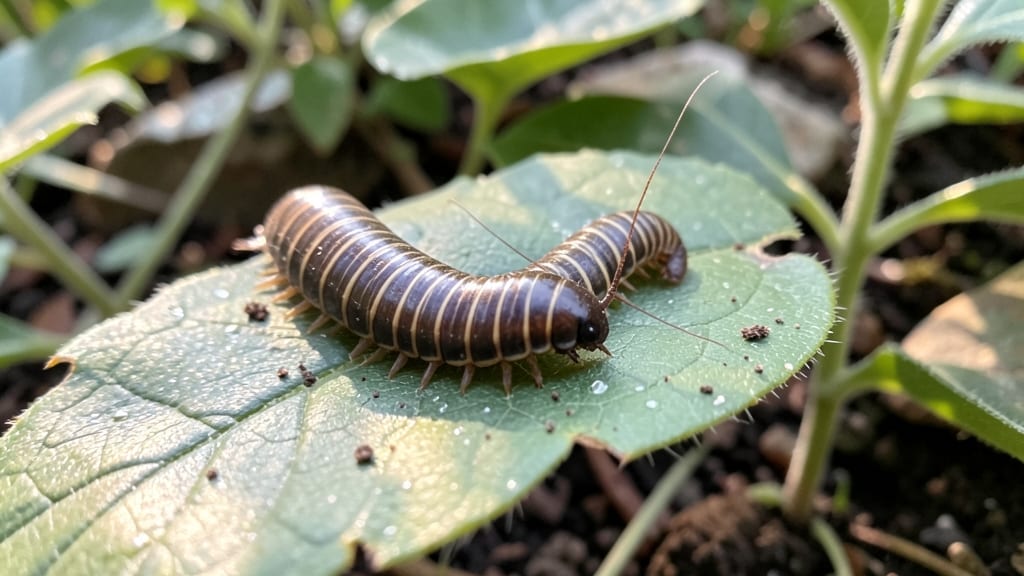
Millipedes in your garden aren’t just creepy—they’re a sign your yard’s moisture and mulch are playing host to these harmless but pesky critters. 🌱 I’ve wrestled with them for years, and the key isn’t killing them but redirecting them away from your prized plants.
These long-bodied insects love damp, decaying matter, so they’re more of a nuisance than a threat to your garden’s health.
The good news? They don’t eat plants, but their presence can attract predators like birds and rodents that might. The real fix starts with simple adjustments: reduce mulch thickness, improve drainage, and clear away leaf litter where they hide.
I’ve found that a few strategic traps—like rolled-up cardboard or shallow ditches filled with wood ash—can lure them away without harm.
Once you’ve cut off their favorite spots, you’ll notice fewer slithering trails and fewer piles of shed skins. Your lawn stays cleaner, and the critters? They’ll wander off to less hospitable turf.
The best part? This method keeps your garden thriving while giving millipedes a one-way ticket out of your yard.
Works for any garden size, from small flower beds to sprawling lawns. Let’s get those pests packing their bags—naturally.
Root Causes of Garden Visitors
Millipedes aren’t just random garden wanderers—they’re drawn to your yard for specific reasons tied to their survival instincts. Understanding these triggers helps you address the issue at its source, rather than just reacting to their presence.
Let’s break down the key factors that turn your green space into a millipede hotspot.
Millipedes thrive in damp, decomposing environments because their bodies require high humidity to stay hydrated.
Their exoskeletons are sensitive to drying out, so they seek out: - Leaf litter and compost piles (their primary food source and shelter). - Overly irrigated or poorly drained soil (they burrow in areas where moisture lingers). - Wood mulch or bark chips (especially if they’re still damp and breaking down).
Actionable insight: If your garden has thick mulch layers or shaded, damp spots, millipedes will congregate there. Reducing excess moisture—by improving drainage or spreading mulch more thinly—can deter them without harm.
Millipedes are detritivores, meaning they feast on decaying plant material. A garden overflowing with:
- Fallen leaves, dead plants, or rotting fruit (their all-you-can-eat buffet).
- Overgrown grass clippings (especially if left in piles).
- Mushrooms or fungal growth (some species even farm fungi for food).
Actionable insight: Regularly clear debris from garden beds, lawn edges, and under shrubs. If you compost, ensure the pile is hot (not cold/wet) to discourage millipede colonization.
Millipedes avoid direct sunlight and prefer:
- Dense ground cover (like ivy or creeping charlie) that retains moisture.
- Rocky or wooded areas where they can hide from predators (birds, frogs, etc.).
- Low-traffic zones (they’re nocturnal and shy away from human activity).
Actionable insight: Trim back overgrown vegetation near your home’s foundation or patio. If millipedes are invading indoor spaces, check for entry points like cracks in siding or gaps under doors—especially in shaded corners.
Millipedes don’t just wander aimlessly—they swarm during:
- Warm, rainy spring nights (ideal for mating and dispersal).
- Early summer (when soil moisture peaks).
- After heavy irrigation or rain (they emerge to explore new territory).
Actionable insight: If you notice a sudden influx, it’s likely a seasonal event. Reduce evening watering and keep outdoor lights off (they’re attracted to light at night).
Sometimes, millipedes hitch a ride into your garden via:
- Firewood or plant nursery purchases (infested soil clinging to roots).
- Gardening tools or shoes (tracking them from one area to another).
- Compost or mulch bought from infested sources.
Actionable insight: Inspect new plants, soil amendments, or woodpiles before bringing them home. Store firewood away from your house and elevate it off the ground.
Pro Tip: 💡 Millipedes aren’t pests—they’re nature’s recyclers! If you want to coexist with them, focus on reducing their ideal conditions (moisture + food) rather than eradication. For targeted removal, humane traps (like those using bran or fruit scraps) work best without harming the ecosystem.
Quick fixes for garden crawlers
Finding millipedes in your garden can feel like an unwelcome invasion, but the good news? Most aren’t harmful, and you can manage them without harsh chemicals. The key is identifying the root cause—whether it’s moisture, decaying matter, or poor drainage—and addressing it directly.
Below, we break down practical solutions tailored to common triggers, plus prevention tips to keep your garden millipede-free long-term.
Millipedes thrive in damp, humid conditions. If your garden feels perpetually soggy, they’ll stick around. Here’s how to fix it:
🔥 Fix Overwatering & Poor Drainage
- 👨🍳 Reduce Watering Frequency: Water deeply but less often—aim for 1–1.5 inches per week (including rain). Early morning is best to allow soil to dry.
- 🥘 Improve Soil Drainage: Amend heavy clay soil with compost or sand to help water drain faster. For raised beds, ensure they have drainage holes.
- ⏰ Use Mulch Strategically: Apply a thin layer (1–2 inches) of organic mulch like cedar or pine needles—these repel millipedes naturally while retaining moisture.
💡 Pro Tip:
If your garden has low spots where water pools, create gentle slopes or add a swale (a shallow ditch) to redirect runoff. Millipedes avoid dry, well-aerated soil!
Piles of rotting leaves, wood chips, or compost heaps are millipede buffets. Break the cycle with these steps:
🔪 Remove Organic Debris
- 🍳 Rake Up Leaf Litter: Focus on thick piles under shrubs, decks, or sheds—these are prime hiding spots. Spread leaves thinly in garden beds (they’ll decompose faster and deter pests).
- 🥘 Limit Compost Piles: If composting, turn piles frequently to raise temps (millipedes hate heat). Keep piles small (3’x3’ max) and avoid burying them in shade.
- 🌡️ Use Gravel or Landscape Fabric: Line garden beds with a barrier (like hardware cloth) to block millipedes from crawling up from the soil.
🎯 Prevention Hack:
Store firewood elevated and off the ground—millipedes use it as a highway into your yard. A simple pallet or rack works!
Millipedes prefer dark, humid environments. If your garden is shaded, they’ll linger. Try these fixes:
🌞 Increase Sun Exposure
- 👨🍳 Prune Overgrown Plants: Trim branches to let sunlight reach the soil. Aim for at least 6 hours of direct sun daily in problem areas.
- 🥘 Add Reflective Surfaces: Place light-colored gravel or a small solar-powered path light in shaded spots—millipedes avoid bright areas.
- ✨ Plant Millipede-Repelling Herbs: Interplant with lavender, rosemary, or mint. Their strong scent deters crawlers naturally.
💡 Pro Tip:
If you can’t reshape the landscape, try a DIY "millipede beach": Sprinkle coarse sand or diatomaceous earth (food-grade) lightly around entry points like mulch borders. It’s non-toxic but deadly to their exoskeletons.
If you’d rather not alter your garden’s conditions, traps are a gentle way to remove millipedes. Here’s how:
🔥 DIY Millipede Trap (No Harm Done)
- 🍳 Set Up a Container: Use a shallow bucket or jar with slightly sloped sides (so they can’t climb out).
- 🥘 Bait It: Place damp cardboard, banana peels, or a small pile of leaves inside. Millipedes are drawn to decaying matter.
- 🌡️ Bury It: Dig the trap so the rim is flush with the soil. Check it every 2–3 days and release trapped millipedes far from your garden (under a bush in a sunny area).
⏰ Best Times to Trap:
Set traps after rain or in the evening when millipedes are most active. Avoid placing traps near vegetable gardens—you might accidentally catch beneficial insects too!
Most millipede issues stem from three fixable factors: moisture, debris, and shade. By addressing these, you’ll create an environment they’d rather avoid. And remember—these creatures play a role in breaking down organic matter, so a few won’t hurt your garden.
Stay proactive, and you’ll keep your lawn lush and millipede-light!
Frequently asked questions
Are millipedes harmful to my garden plants?
Millipedes are generally harmless to most plants—they don’t eat living vegetation. They break down decaying matter, which actually helps your soil. However, their presence can attract predators like birds or rodents that might damage your garden. The real issue is their love of damp, mulch-rich areas, which can signal poor drainage or excess moisture that might harm plants.
What’s the best natural way to repel millipedes?
Reduce moisture and organic debris—their two biggest attractants. Use cedar mulch instead of wood chips (millipedes dislike it), improve drainage, and keep compost piles small and hot. For immediate relief, sprinkle coarse sand or diatomaceous earth (food-grade) lightly around garden beds. These methods disrupt their environment without chemicals.
Why do millipedes suddenly appear in my garden?
They’re likely responding to recent changes like heavy rain, overwatering, or new leaf litter. Millipedes swarm during warm, damp weather (spring/early summer) or after you’ve added mulch or compost. If you’ve recently pruned or watered more, that’s probably why they’ve shown up—your garden now looks like their perfect habitat.
Can I use traps to remove millipedes humanely?
Yes! Create a DIY trap using a shallow container with damp cardboard or banana peels as bait. Bury it so the rim is flush with the soil, and check it every 2-3 days. Release trapped millipedes far from your garden (like under a sunny bush). Avoid traps near vegetable gardens—you might accidentally catch beneficial insects that help control pests.
Will millipedes come back after I’ve removed them?
Only if their favorite conditions remain. If you’ve fixed drainage, reduced mulch thickness, and cleared debris, they’ll likely stay away. Millipedes are opportunists—they’ll move on to gardens that offer damp, decaying matter. Regular maintenance (like raking leaves and monitoring moisture) keeps them from returning long-term.