
Tools
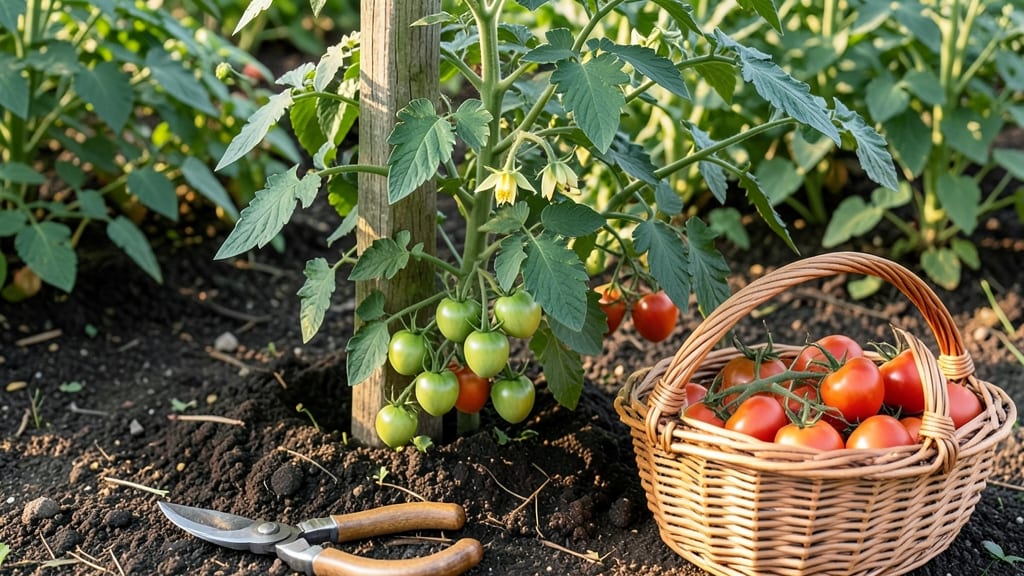
Designing a Michigan vegetable garden that thrives through all four seasons takes more than just planting seeds—it’s about working with the state’s chilly springs, hot summers, and early frosts.
I’ve learned that the key isn’t fighting the climate, but choosing the right plants, timing, and layout to stretch your growing window from early spring to late fall. The payoff? A garden that produces fresh greens in May, tomatoes in August, and even winter squash through November.
Start with a layout that maximizes sun exposure and wind protection—critical in Michigan’s variable weather. Raised beds work wonders for cold soils, and a mix of cold-hardy crops (like kale, peas, and spinach) alongside heat-lovers (tomatoes, peppers) ensures something’s always growing.
I’ve found that companion planting—pairing basil with tomatoes or marigolds with peppers—keeps pests at bay without harsh chemicals, a game-changer for organic gardeners.
Seasonal timing is everything here. Plant cold crops like lettuce and radishes as soon as the soil thaws, then succession-plant heat lovers every 2-3 weeks to avoid gluts.
My garden’s most productive year came when I treated the space like a rotating schedule: what’s planted in April gives way to July’s heavy hitters, then fall crops take over before winter sets in. The result?
A garden that feels like it’s always in its prime, not just during peak summer.
For beginners, start small with a 4x8-foot bed—easy to manage and perfect for testing what grows best in your microclimate. Advanced gardeners can layer crops vertically (pole beans, cucumbers) or extend the season with row covers and cold frames.
Either way, Michigan’s short but intense growing season rewards those who plan ahead. Let’s get your plot thriving year-round.
📚 In This Guide
- What you need
- Instructions
- Tips and common mistakes
- Wrapping up and next steps
What you need
- ● Soil: 10–20 cubic yards of high-quality garden soil (mix with compost for optimal drainage). Michigan’s clay-heavy soil? Amend it with peat moss or perlite (1 part per 3 parts soil).
- ● Compost: 5–10 bags (or homemade) to enrich soil with nutrients. Aim for aged compost (3+ months) to avoid burning plants.
- ● Organic fertilizer: 5–10 lbs of balanced 10-10-10 or vegetable-specific fertilizer (e.g., fish emulsion or bone meal for nitrogen).
- ● Mulch: 2–3 cubic feet of straw, wood chips, or shredded leaves to retain moisture and suppress weeds.
- ● Seeds/Seedlings: Cold-hardy varieties: Kale, spinach, carrots, peas, and lettuce (start indoors 6–8 weeks before last frost or buy transplants).
- ● Warm-season picks: Tomatoes, peppers, and beans (plant after last frost, ~May 15 in Michigan).
- ● Hand trowel (for precision planting).
- ● Garden fork (for breaking up clay soil).
- ● Pruners (bypass type for clean cuts).
- ○ Watering can or hose with adjustable nozzle (drip irrigation is optional but ideal for efficiency).
- ● Garden gloves (nitrile-coated for durability).
- ● Row covers/frost blankets (for extending seasons; 3–4 oz poly fabric).
- ○ Cold frames or low tunnels (optional but game-changing for winter greens).
- ● Sunlight audit: Ensure your garden gets 6+ hours of sun daily (south-facing spots are gold in Michigan!).
- ● Test your soil: Use a pH test kit (aim for 6.0–7.0; adjust with lime or sulfur if needed).
- ● Plan your layout: Sketch rows 12–18 inches apart for easy access. Interplanting (e.g., radishes with carrots) saves space!
- ● Check frost dates: Michigan’s last frost varies by region (avg. May 10–20), and first frost hits Sept 20–Oct 10. Plan accordingly!
Instructions for designing a resilient Michigan vegetable garden
Here’s how I structure a garden that thrives through Michigan’s unpredictable seasons.
Plan Your Seasonal Planting Zones
Michigan’s four distinct seasons demand smart layering. Start by dividing your garden into three planting zones: early spring (cold-hardy crops), late spring/summer (warm-season plants), and fall (cool-season finishes). I sketch a simple grid on graph paper—each square represents a 4-foot-by-4-foot section—to map where each crop will rotate yearly.
Use Michigan’s last frost dates (around May 10 in most regions) as your anchor. Plant cold-hardy crops like spinach, peas, and lettuce 4-6 weeks before the last frost. Reserve late May to June for warm-season stars like tomatoes, peppers, and beans. Save August and September for quick-turnaround crops such as radishes, kale, and carrots to extend harvests into fall.
Here’s the thing—soil temperature matters more than air temperature. Use a soil thermometer to confirm when the ground reaches 50°F for cool-season crops or 60°F for warm-season plants. Waiting too long can stall germination, even if the calendar says it’s time.
Build Raised Beds for Drainage and Warmth
Raised beds solve Michigan’s heavy clay soil and poor drainage issues while warming up faster in spring. Construct beds using 4-foot-wide frames (so you can reach the center without stepping in them) and fill them with 12 inches of a mix of topsoil, compost, and perlite. I use untreated cedar lumber for frames because it resists rot in our damp climate.
Space beds 18 inches apart to allow airflow and easy movement between rows. The extra height (6-12 inches above ground) helps prevent soil compaction and keeps roots from sitting in cold, soggy earth. In early spring, cover beds with black plastic mulch for 2-3 weeks before planting to warm the soil 5-10°F faster than uncovered ground.
Don’t skip the drainage layer—add a 2-inch layer of coarse sand or gravel at the bottom of each bed. This prevents water from pooling and ensures roots stay oxygenated, which is critical during Michigan’s wet springs and heavy rains.
Choose Cold-Tolerant Varieties and Succession Plant
Michigan’s short growing season means selecting the right varieties can mean the difference between a bounty and a bust. Opt for early-maturing hybrids like ‘Early Girl’ tomatoes (55 days), ‘Sweet 100’ bush beans (50 days), and ‘Red Knight’ carrots (60 days). These finish before summer’s heat or early fall frosts arrive.
Succession planting keeps your harvests steady. After pulling early spring crops like radishes (ready in 25 days), replant the space with bush beans or summer squash. When those finish in late summer, drop in spinach or arugula for a fall harvest. I mark my calendar with planting dates spaced every 2 weeks from May through August to maintain continuous production.
For overwintering crops, choose varieties like kale, Swiss chard, and garlic that tolerate light frosts. Mulch them heavily with straw or leaves once temperatures dip below 30°F to protect roots and keep soil temperatures stable. This extends harvests well into winter.
Protect Plants from Late Frosts and Pests
Michigan’s late spring frosts (often in May) can devastate tender seedlings. Use floating row covers or cloches (glass jars or plastic domes) to shield young plants. I drape lightweight fabric covers over tomato and pepper seedlings until the nighttime temperature stays above 40°F for a week straight. Remove covers during the day to allow pollination.
Pests like colorado potato beetles, cabbage worms, and slugs thrive in Michigan’s humid summers. I combine physical barriers (row covers for brassicas) with organic sprays like neem oil applied in the early morning to avoid harming bees. For slugs, set out beer traps (a shallow dish of beer buried at soil level) and refresh them every 3 days during rainy periods.
Rotate crops annually to break pest and disease cycles. For example, if you grew tomatoes in Bed A this year, plant beans or peas there next season. This simple step drastically reduces soil-borne diseases like early blight and fusarium wilt, which are common in Michigan’s damp conditions.
Tips & tricks for perfect Michigan vegetable garden planning
A few strategic adjustments can transform your Michigan garden from seasonal frustration to year-round success. Here's what I've learned after years of trial and error in this challenging climate.
Soil Temperature is Your Best Friend: That soil thermometer isn't just a suggestion—it's your most important tool. I've planted cool-season crops when the soil was only 45°F, thinking it was close enough to 50°F, only to watch them sit in the ground for weeks without germinating. Always wait until you hit that 50°F mark for cool crops or 60°F for warm-season plants. Pro tip: Check soil temperature in the late afternoon when it's warmest, as early morning readings can be misleadingly cold.
Black Plastic Mulch Timing Matters: Don't rush to remove that black plastic after 2-3 weeks—let it sit until you're ready to plant. The extra warmth it provides can give you a 2-3 week head start on the growing season. I've found that removing it too early means my soil cools back down to near-ground temperatures, potentially delaying germination. If you're planting in late May, I recommend keeping it on until planting day to maintain that critical soil warmth.
Succession Planting Calendar Hack: Instead of trying to remember every 2-week planting window, mark your calendar with these key dates: start your succession schedule 4 weeks before your last frost date, then set reminders every 14 days until August 1st. This ensures you're always planting something while maintaining that continuous harvest rhythm. I color-code my calendar—green for cool-season crops, red for warm-season, and yellow for fall plantings—to visualize the rotation at a glance.
Overwintering Protection Layer: When temperatures dip below 30°F, don't just throw any old mulch on your kale or Swiss chard. Use straw or leaves that will insulate while also allowing some airflow to prevent rot. I've learned the hard way that thick plastic or dense mulch can actually trap too much moisture and create ideal conditions for fungal diseases. Aim for a 4-6 inch layer of loose material that will break down slowly and protect roots without suffocating the plants.
Pro Tips for Michigan Vegetable Garden
- A few strategic adjustments can transform your Michigan garden from seasonal frustration to year-round success.
- Soil Temperature is Your Best Friend: That soil thermometer isn't just a suggestion—it's your most important tool.
- Black Plastic Mulch Timing Matters: Don't rush to remove that black plastic after 2-3 weeks—let it sit until you're ready to plant.
Frequently asked questions
Got questions about growing a thriving Michigan vegetable garden year-round? You’re not alone! Here are answers to the most common queries from gardeners in the Great Lakes region.
What are the best vegetables to grow in Michigan’s cold climate?
Michigan’s short growing season calls for cold-hardy crops like kale, spinach, peas, and potatoes (plant early!), plus broccoli, carrots, and beets for spring/fall. For summer, try zucchini, tomatoes, and peppers—opt for fast-maturing varieties (e.g., ‘Early Girl’ tomatoes). Extend seasons with row covers or cold frames!
When is the ideal planting time for a Michigan vegetable garden?
Timing varies by crop and season:
- Spring: Start cool-weather veggies (like lettuce) 4–6 weeks before last frost (mid-April in southern MI, late May in the UP). Warm crops (tomatoes) go in after frost (late May–June).
- Fall: Plant hardy greens 6–8 weeks before first frost (early August in most areas).
- Winter: Use low tunnels or hoop houses for kale, spinach, or overwintered onions.
Can I grow vegetables in Michigan without a traditional garden bed?
Try these space-saving alternatives:
- Containers: Grow bush beans, herbs, or dwarf tomatoes in 5+ gallon pots (ensure drainage!).
- Raised Beds: Ideal for heavy clay soil—fill with compost-rich mix for deeper roots.
- Vertical Gardening: Trellis peas, cucumbers, or pole beans to save space.
- Community Gardens: Many cities offer plots (e.g., MI Garden networks).
How do I prevent pests and diseases in a Michigan vegetable garden?
Michigan’s humid summers attract pests like Japanese beetles, slugs, and cabbage worms. Combat them naturally:
- Prevention: Rotate crops yearly, remove debris, and mulch to deter pests.
- Physical Barriers: Row covers for cabbage moths; copper tape for slugs.
- Beneficial Insects: Attract ladybugs (aphid eaters) with dill or marigolds.
- Fungal Issues: Space plants for airflow; use baking soda spray (1 tsp/L water) for powdery mildew.
What’s the easiest way to extend my Michigan garden’s growing season?
Beat frost with these tricks:
- Cold Frames: DIY with clear plastic lids over beds—adds 10–15°F warmth.
- Row Covers:
- Greenhouses: Even small ones (like hoop houses) let you grow into November/December.
- Succession Planting: Sow radishes or lettuce every 2 weeks for continuous harvests.
Wrapping up and next steps
Starting a Michigan vegetable garden is a rewarding journey that lets you savor homegrown produce year-round—even in cold climates! 🌱 By leveraging four-season planting, cold-hardy crops, and smart techniques like row covers and succession planting, you can turn your yard into a thriving edible oasis.
Whether you’re a beginner or a seasoned gardener, the key is to stay adaptable and enjoy the process.
Ready to dig in? Start small—pick 1-2 crops to test this season, then expand as you gain confidence. Happy gardening, and may your harvest be as bountiful as the Great Lakes sky! 🌞