
Tools
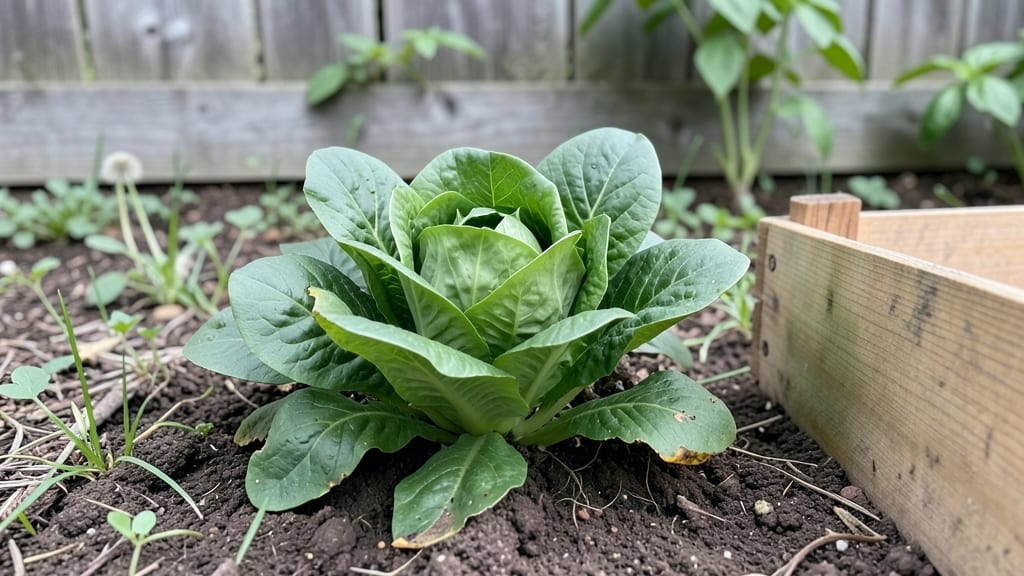
A thriving market gardening climate requires daytime temperatures between 60°F and 80°F, with cooler nights (50°F–65°F) to reduce plant stress. Creating microclimates through raised beds or shade cloth helps extend growing seasons in less-than-ideal conditions by fine-tuning temperature and humidity.
This ideal range isn't just about warmth—it's about balance. Plants like leafy greens and herbs actually suffer in extreme heat, while fruiting crops such as tomatoes and peppers need consistent warmth to set fruit. 🔥 The nighttime temperature drop helps crops recover and prevents bolting (when plants flower too early).
For example, a simple shade cloth over a raised bed can drop temperatures by 10–15°F during peak summer, while reflective mulch bounces sunlight back to roots, boosting growth in cooler zones.
What's fascinating is how these microclimates work together. A windbreak made from straw bales can create a sheltered pocket where humidity lingers longer, while black plastic mulch warms soil faster in spring.
These small adjustments let you grow high-value crops like basil or strawberries even in marginal climates. The key is observing your plants—they'll tell you when they're happy or stressed!
💡 In This Article
- Optimal Temperature Zones for High-Yield Market Crops
- DIY Microclimate Solutions for Small-Scale Growers
Optimal temperature zones for high-yield market crops
Leafy greens like lettuce and spinach thrive in cooler conditions, with daytime temperatures ideally between 60°F–70°F and nighttime dips to 45°F–55°F.
These crops are cool-season plants, meaning their photosynthesis efficiency peaks when chlorophyll production is maximized—something that happens at lower temperatures. 🌱 The science here involves how light energy is converted: cooler temps slow respiration rates, allowing more energy to go toward leaf growth rather than metabolic processes.
In contrast, root vegetables such as carrots and radishes prefer slightly warmer days (65°F–75°F) but still need cooler nights (50°F–60°F) to develop sweetness and crisp texture.
Fruiting plants like tomatoes and peppers are the heat-lovers of the market garden, needing daytime temps of 75°F–85°F to set fruit. The reason? These crops rely on a process called "pollination efficiency," which accelerates in warmth, and their flowers simply won't form fruit below 55°F.
Tomatoes, for instance, produce the enzyme lycopene (responsible for their red color) most efficiently at 70°F–80°F—any hotter, and the fruit becomes bland or mealy. 🌶️ The nighttime temperature drop (to 60°F–65°F) is critical here, too, as it helps prevent blossom-end rot, a common issue caused by calcium uptake disruption in extreme heat.
What most gardeners don't realize is how humidity plays into these temperature zones. Leafy greens, for example, need 60–70% relative humidity to prevent bolting (premature flowering), while fruiting plants like peppers thrive in slightly drier air (50–60% humidity) to avoid fungal diseases.
This is why a simple shade cloth over a bed can do double duty: it reduces daytime temps by 10–15°F while also lowering humidity, creating the perfect balance for crops like basil or cilantro.
The key is matching the crop's native climate—think Mediterranean herbs for dry heat, or Asian greens like bok choy, which handle cooler, wetter conditions.
Here’s a quick breakdown of how these zones translate to real-world growing:
- Leafy greens: 60°F–70°F days, 45°F–55°F nights (ideal for kale, arugula, Swiss chard)
- Root vegetables: 65°F–75°F days, 50°F–60°F nights (perfect for beets, turnips, radishes)
- Fruiting plants: 75°F–85°F days, 60°F–65°F nights (tomatoes, peppers, eggplants)
The science behind these ranges comes down to photosynthesis efficiency. Chlorophyll absorbs light most effectively between 68°F–86°F, but enzymes that process carbon dioxide (like RuBisCO) slow down above 90°F, causing stress.
That’s why even heat-tolerant crops like okra or sweet potatoes need afternoon shade in zones with 95°F+ summers. The nighttime drop is equally vital—it resets the plant’s metabolic processes, ensuring energy is directed toward growth rather than survival mode. 💫
Pro tip: Use a soil thermometer to monitor root-zone temps, as surface temps can be misleading. For example, black plastic mulch can raise soil temps by 10–15°F compared to bare earth, which is great for early spring planting but can scorch heat-sensitive crops like lettuce in summer.
The goal is harmony—balancing air, soil, and plant needs to maximize yield without stress.