
Vegetables
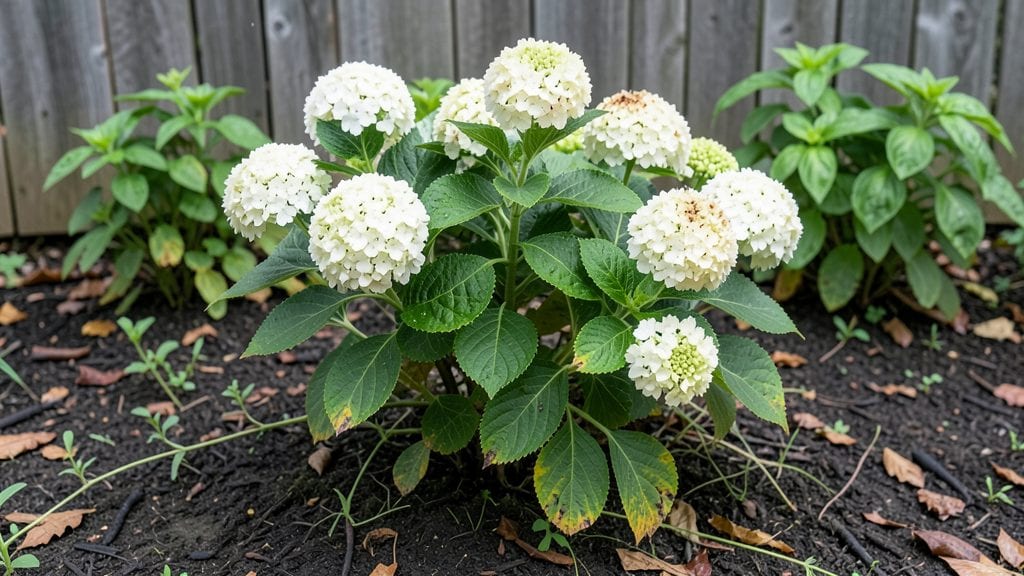
Growing Longwood Gardens Dupont vegetables successfully means embracing cool-season gardening, where well-drained soil and partial shade create their signature tender, sweet flavor and crisp bite. Sow seeds just 1/2 inch deep in early spring or late summer for peak performance.
These heirloom vegetables are all about balance—cool nights sweeten their natural sugars while partial shade prevents bitterness, creating that perfect texture gardeners love. 🌱 The key is patience: Dupont varieties mature slowly, so resist the urge to rush watering or fertilizing, which can dilute their delicate flavor.
I’ve found that mulching helps maintain even moisture without turning the soil soggy, and a light hand with nitrogen keeps them from getting too leafy at the expense of that prized crispness.
What sets Dupont apart is how responsive they are to microclimates—even a slight adjustment in shade can shift their flavor profile. For instance, a morning sun spot with afternoon shade often yields the sweetest results, while full sun can make them tougher.
Start with a small batch to test your local conditions before committing to a full bed.
💡 In This Article
- Ideal Growing Conditions for Dupont Vegetables
- Step-by-Step Planting and Care Guide for Dupont Varieties
Ideal growing conditions for Dupont vegetables
The signature sweetness and crisp texture of Longwood Gardens Dupont vegetables come from a fascinating interplay of temperature and light. Cool nights (50-65°F) trigger a biochemical process where the plant converts starches into sugars, creating that mild sweetness.
Meanwhile, partial shade (about 40-60% sunlight exposure) prevents the leaves from developing bitter compounds that form under intense UV rays. This balance is why Dupont varieties taste so much sweeter than their full-sun counterparts like regular lettuce.
Soil pH plays a crucial role too—Dupont vegetables thrive in slightly acidic to neutral soil (pH 6.0-7.0). At this range, the plants can efficiently absorb calcium and magnesium, which directly influence cell wall structure and crispness.
Well-drained soil is non-negotiable because waterlogged conditions trigger anaerobic bacteria that produce bitter sulfur compounds. The ideal soil mix should hold moisture like a sponge but allow excess water to drain within 2-3 hours after watering. Think of it like a good pair of gardening gloves—supportive but not suffocating.
Watering strategy matters just as much as the soil. Dupont varieties need 1-1.5 inches of water per week, but consistency is key. Uneven moisture causes uneven growth, leading to some leaves becoming tough while others stay tender.
I’ve found that drip irrigation or soaker hoses work best—they deliver water directly to the roots without wetting the leaves, which helps prevent fungal issues that can dull the flavor.
Mulching with 2-3 inches of straw keeps soil temperatures stable and reduces evaporation, creating the perfect environment for those signature sugars to develop.
Light management is where many gardeners make mistakes. While Dupont varieties tolerate partial shade, they still need some direct sunlight to perform photosynthesis. The sweet spot is 3-5 hours of morning sun combined with afternoon shade—this gives them enough energy without triggering bitterness.
In hotter climates, afternoon shade becomes even more critical, as temperatures above 85°F can cause the leaves to bolt prematurely, sacrificing flavor for hasty growth.
A simple way to test your light conditions is to observe how quickly a nearby plant wilts—if it’s struggling by midday, you likely need more shade.
Temperature fluctuations also play a hidden role in texture development. The crispness comes from tightly packed cells with strong cell walls, which form best when daytime temperatures stay between 60-75°F and nights dip below 60°F.
This diurnal temperature swing signals the plant to invest energy in cell wall development rather than rapid growth. In my own garden, I’ve noticed that Dupont varieties grown in spring or fall consistently outperform those planted in summer, where heat stress leads to softer, less flavorful leaves.
The key is creating that cool-season environment, even in warmer climates.
What most gardeners don’t realize is how soil texture affects flavor. Sandy loam soils (with about 40% sand, 40% silt, and 20% clay) provide the perfect balance—draining well enough to prevent bitterness while holding enough moisture to support sweetness development.
To test your soil, grab a handful when it’s moist—it should crumble easily when dry but still hold its shape. If it feels more like wet sand or hard clay, amending with compost or organic matter can make a world of difference in just a few weeks.