
Tools
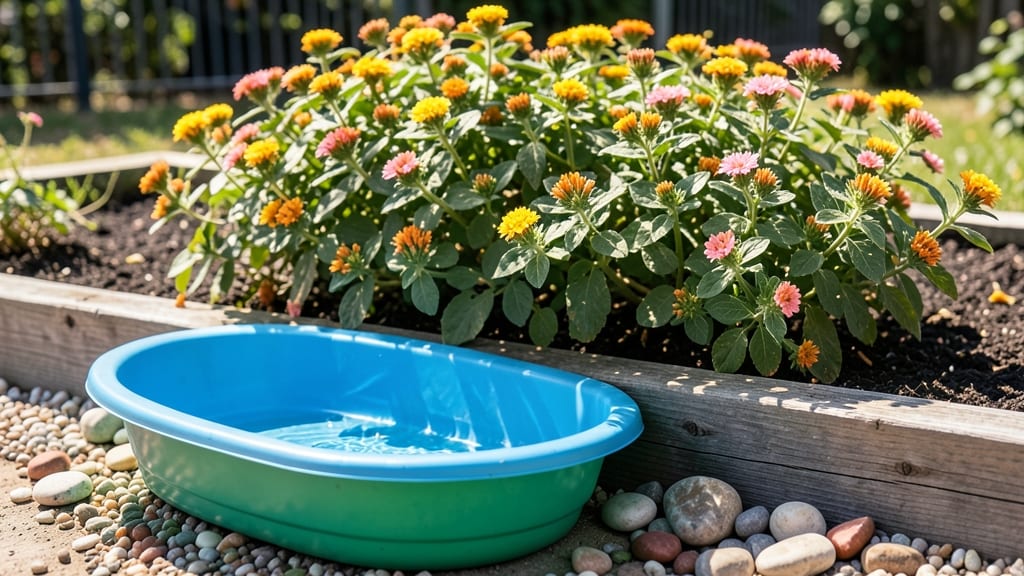
This kiddie pool garden transforms something ordinary into a shockingly lush water feature that hums with life all season—just watch bees and butterflies flock to it like magic. 🌿 I stumbled onto the idea after spotting them swarm a neighbor’s shallow pond, and...
I repurposed an old plastic pool into a thriving ecosystem that costs less than $50 to create. The best part? It’s not just functional; it’s a conversation starter that doubles as a wildlife magnet.
You’ll need a sturdy plastic pool (18–36 inches deep), a pond liner to prevent leaks, and a mix of drought-resistant plants like water hyacinths, pickerelweed, or even floating ferns. For the edges, shallow-rooted perennials like creeping thyme or sedum add texture while keeping maintenance simple.
Drainage is key—add a small pump or overflow spout to prevent stagnant water, and line the bottom with 2–3 inches of gravel before adding soil. The whole setup takes under 2 hours if you prep ahead.
By summer’s end, you’ll have a vibrant green oasis teeming with life—bees sipping from water lilies, dragonflies darting above the surface, and maybe even a few frogs calling it home. The water stays cool enough for aquatic plants while providing a safe drink for pollinators.
It’s the kind of project that looks effortless but requires a few smart tricks, like anchoring the liner with rocks and choosing plants that thrive in partial shade to full sun.
Works in any climate—just swap tropical plants for hardy varieties in colder zones. The real magic happens when you add solar-powered lights or floating candles for evening ambiance. Here’s how to make it happen without breaking a sweat.
📚 In This Guide
- What you need
- Instructions
- Tips and common mistakes
- Wrapping up and next steps
What you need
- ● Kiddie pool: 1 (3–4 ft diameter, 12–18" deep; plastic or resin for durability). Pro tip: 💡 Choose one with a smooth, textured bottom to prevent slipping.
- ● Water pump: 1 (submersible, 200–500 GPH, 12V solar-powered or battery-operated for eco-friendliness).
- ● Water hose: 1 (½" diameter, 25+ ft long) + adapters (to connect pump and pool).
- ● Gravel or pebbles: 5–10 lbs (¼–½" size) for drainage and aesthetic appeal.
- ● Water plants: 3–5 floating plants (e.g., water hyacinth, water lilies, or lotus for shade).
- ● 2–3 marginal plants (e.g., sweet flag, cattails, or pickeralweed for edges).
- ○ Solar lights or LED string lights: 1–2 (battery-operated, waterproof; optional for evening ambiance).
- ● Decorative rocks or glass beads: Small quantities for a whimsical, colorful touch.
- ● Mini waterfall kit: 1 (to add a cascading feature; requires extra pump power).
- ● Birdbath or shallow dish: 1 (for extra pollinators like butterflies and hummingbirds).
- ● Waterproof speaker: 1 (for a soothing nature soundscape or kid-friendly tunes).
- ● Safety mat: 1 (non-slip, placed around the pool’s edge for traction).
- ● ✅ Sunlight: 4+ hours of direct sun daily (partial shade works for some plants).
- ● ✅ Level ground: A flat, stable surface (use a shovel to dig a shallow trench for drainage if needed).
- ● ✅ Access to water: Nearby hose connection or portable water source.
- ● ✅ Pollinator-friendly zone: Avoid pesticides/herbicides near the pool.
Step-by-Step instructions for creating a kiddie pool pollinator haven
Turn that old kiddie pool into a buzzing, blooming water feature that attracts bees and butterflies all season long.
🪴 Step 1: Clean and Prepare the Kiddie Pool
Start by emptying the pool completely and scrubbing it with a 50/50 water-vinegar solution to remove any algae or debris. Rinse thoroughly with clean water. Place the pool in a sunny, level spot—pollinators need warmth and easy access to your garden. I like to position mine near flowering plants so visitors can hop from one stop to the next.
Check for sharp edges or rough spots inside the pool and smooth them down with sandpaper if needed. This prevents injuries to tiny wings and legs. Once clean, fill it with 3-4 inches of water—deep enough for insects to drink but shallow enough for them to land safely. Avoid using chlorine or chemicals; even trace amounts can harm wildlife.
☀️ Step 2: Add Rocks and Plants for a Natural Look
Arrange flat, smooth rocks along the edges of the pool to create gentle entry points for pollinators. I use 6-12 medium-sized stones spaced evenly around the rim. This gives bees and butterflies multiple safe spots to land and drink without falling in. Place a few larger rocks in the center to break up the water surface and create tiny "islands" for resting.
Add 3-5 aquatic plants like water hyacinth or pickerelweed—these thrive in shallow water and provide both shade and shelter. If you prefer low-maintenance options, floating plants like duckweed work perfectly. These plants also help keep the water clean by absorbing excess nutrients. Avoid anything with sharp leaves or thorns that could harm visiting insects.
🌿 Step 3: Surround With Pollinator-Friendly Flowers
Plant native flowers around the pool’s edge to create a welcoming landing strip for pollinators. I recommend coneflowers, black-eyed Susans, and milkweed—they’re tough, drought-resistant, and packed with nectar. Space them 12-18 inches apart so they fill in quickly and provide continuous blooms from spring to fall.
Include a few shade-tolerant perennials like asters or sedum near the pool’s perimeter. These ensure pollinators have options even when the sun gets too intense. Mulch with 2-3 inches of shredded bark to retain moisture and discourage weeds. Water the area thoroughly after planting, but avoid soaking the pool itself—you want the water level to stay stable for thirsty visitors.
💧 Step 4: Maintain Water Quality and Safety
Top off the water every 3-5 days to compensate for evaporation, but never let it exceed 4 inches deep. Overly deep water can drown smaller insects or discourage them from landing. Stir the water gently once a week to prevent stagnation and keep it oxygenated. If you notice algae starting to form, add a handful of barley straw—it releases natural compounds that inhibit growth without harming wildlife.
Check the rocks and plants weekly for debris like fallen leaves or twigs. Remove anything that could clog the water or create hazards. In late fall, drain the pool completely, scrub it again, and store it empty until spring. This prevents mosquito breeding and keeps your haven fresh for next season’s pollinators.
⏰ Step 5: Encourage Year-Round Visitors
Plant early bloomers like crocus or violets in late winter to give pollinators a head start. As soon as temperatures rise above 50°F, you’ll see bees and butterflies returning to the pool. I also leave a few stems of last year’s seed heads standing—some pollinators rely on them for winter shelter.
Add a small, shallow dish of sugar water (1 part sugar to 4 parts water) in early spring before flowers bloom. This gives pollinators a quick energy boost while they wait for nectar sources to appear. Once your flowers are in full swing, they’ll rely on them exclusively. Keep the pool stocked with fresh water year-round, even in winter—it’s a lifesaver for insects during dry spells.
Tips & tricks for perfect kiddie pool pollinator haven
Transforming a kiddie pool into a buzzing pollinator haven is easier than you think—here’s how to make it thrive all season.
Safety First: In Step 1, when smoothing rough edges with sandpaper, focus on creating gentle slopes rather than steep sides. Pollinators like bees and butterflies need gradual entry points to land safely. I’ve seen them struggle with sharp angles, so take your time here—it makes all the difference for tiny wings.
Rock Placement Strategy: For Step 2, arrange those 6-12 medium-sized rocks in a staggered pattern rather than a straight line. This creates multiple safe landing spots for pollinators to drink without falling in. The larger center rocks should be spaced so they don’t touch—this breaks up the water surface and gives insects places to rest between sips.
Plant Selection Tip: When choosing aquatic plants in Step 2, opt for varieties with broad leaves like water hyacinth. These provide shade for heat-sensitive pollinators while still allowing sunlight to reach the water below. The floating duckweed is perfect for quick coverage if you’re short on time—it spreads rapidly and keeps the water clean.
Year-Round Planning: In Step 5, when planting early bloomers, consider adding a few optional late-season flowers like goldenrod or asters. These provide nectar when other flowers have faded, ensuring your pollinator haven stays active until frost. The sugar water dish is a great temporary solution, but once flowers bloom, you can remove it—pollinators will prefer the natural nectar.
Pro Tips for Kiddie Pool Garden
- Transforming a kiddie pool into a buzzing pollinator haven is easier than you think—here’s how to make it thrive all season.
- Safety First: In Step 1, when smoothing rough edges with sandpaper, focus on creating gentle slopes rather than steep sides.
- Rock Placement Strategy: For Step 2, arrange those 6-12 medium-sized rocks in a staggered pattern rather than a straight line.
Frequently asked questions
Got questions about turning a kiddie pool into a pollinator paradise?
Here are answers to the most common ones—so you can dive in with confidence!
What’s the best time of year to set up a kiddie pool garden?
A kiddie pool garden thrives year-round, but spring or early summer is ideal for planting. Start with hardy aquatic plants like water hyacinth or pickerelweed to establish roots before heatwaves. In colder climates, opt for floating plants (like water lettuce) that tolerate frost better. Pro tip: Add a small solar-powered fountain in winter to keep water circulating and prevent ice damage!
How do I keep the water fresh without chemicals?
Skip harsh chemicals—natural solutions work best! Add a barley straw (releases tannins to inhibit algae) or introduce goldfish or snails to eat mosquito larvae. Change 10-20% of the water weekly and use a fine mesh pump to filter debris. Bonus: Plant cattails or water lilies to shade the pool and reduce evaporation.
Will a kiddie pool garden attract unwanted pests like mosquitoes?
Not if you plan strategically! Mosquitoes need stagnant water—moving water (even gently) deters them. Use a small solar-powered fountain or submersible pump to create circulation. Add mosquito fish (gambusia) or bat-friendly perches nearby. Pro tip: Plant citronella or lemongrass around the edges for extra pest control!
Can I use a kiddie pool garden in a small backyard or balcony?
Absolutely!
Even a 4-foot-diameter pool can support floating plants, butterflies, and bees. For balconies, use a lightweight, collapsible pool (like a foldable resin model) with self-watering trays for marginal plants. Try this: Hang a vertical herb garden nearby to maximize tiny spaces!
What’s the easiest way to troubleshoot murky water?
Murky water usually means too much debris or algae. Start by emptying and scrubbing the pool with a 50/50 vinegar-water mix. For algae, add a handful of hydrogen peroxide (3%) or baking soda to balance pH. Prevent future issues:
- Install a fine mesh screen over the top.
- Add duckweed (natural water clarifier).
- Reduce shade to limit algae growth.
Are there alternatives if I don’t have a kiddie pool?
No pool? No problem! Try these pollinator-friendly water features:
Option
Best For
Ease of Setup
Gutters or rain barrels
Small spaces, urban gardens
(DIY-friendly)
Birdbath with a shallow dish
Butterflies & bees (add rocks for perching)
(5-minute setup)
Old tire or bucket (lined with pond liner)
Budget-friendly, customizable
(Requires liner)
Wrapping up and next steps
Transforming a simple kiddie pool into a pollinator paradise is easier—and more rewarding—than you think! 🌸 With just a few materials and a dash of creativity, you’ve created a year-round water feature that attracts bees, butterflies, and birds while adding charm to your backyard.
Whether you’re a seasoned gardener or a beginner, this project proves that small spaces can make a big impact.
Ready to take it further? Next, consider adding native plants around the pool’s edges to create a thriving ecosystem. Or, if you’re feeling inspired, share your kiddie pool garden on social media with #KiddiePoolGarden—your creativity might just spark a movement!