
Watering
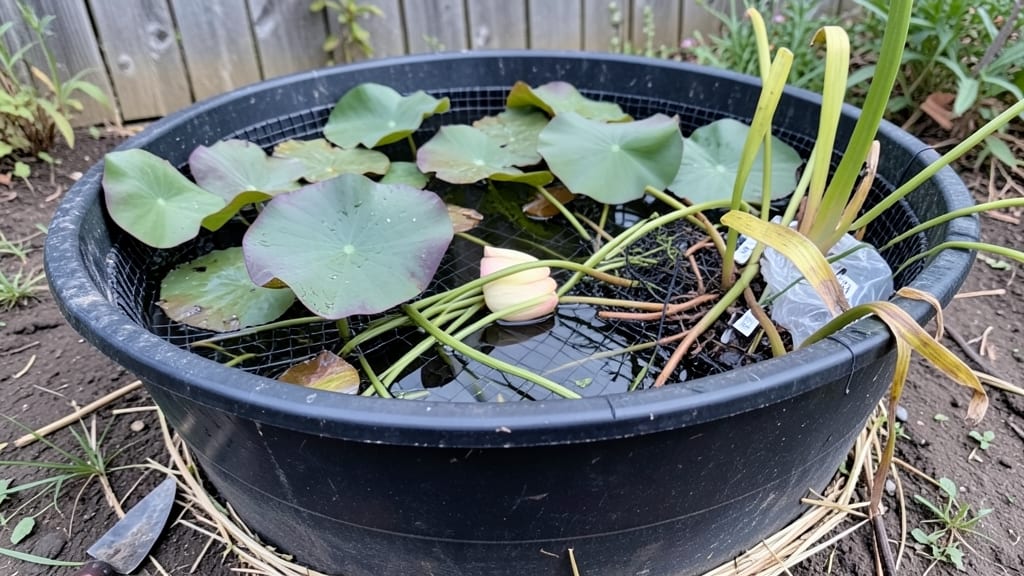
Creating a water garden in a container turns even the tiniest patio into a serene aquatic escape. 🌿 I spent years dreaming of a pond but never had the space—until I discovered how a simple plastic tub, a few plants, and a small pump could mimic the magic of a full-sized water feature.
The key is balancing form and function: a container with at least 18 inches of depth for oxygenating plants, a built-in filter or waterfall for circulation, and low-maintenance aquatic species that thrive in small spaces.
Marginal plants like sweet flag or water hyacinth add texture, while floating lilies provide shade for fish if you add them later.
By summer’s end, you’ll have a thriving ecosystem that hums with life—frogs croaking in the margins, dragonflies skimming the surface, and the soothing sound of moving water. The best part? No digging, no permits, and a setup that fits on a balcony or deck.
Works year-round in warmer climates, but in colder zones, winterizing with a submersible heater or moving containers indoors (for tropical plants) keeps your garden alive. Here’s how to get started without overcomplicating it.
📚 In This Guide
- What you need
- Instructions
- Tips and common mistakes
- Wrapping up and next steps
What you need
- ● Container: A sturdy, waterproof vessel (e.g., ceramic pot, plastic tub, or galvanized metal trough) with a minimum depth of 8–12 inches and drainage holes (or plan to drill them). Size: 5–20 gallons, depending on your plant choices.
- ● Drainage layer: 1–2 inches of gravel, pebbles, or aquarium substrate to prevent root rot and improve drainage.
- ● Potting soil: Water garden soil or a mix of 50% potting soil + 50% perlite/sand (avoid regular garden soil—it compacts and suffocates roots!).
- ● Water plants: Choose from submerged (e.g., hornwort, anacharis), floating (e.g., water hyacinth, duckweed), or marginal plants (e.g., water lilies, sweet flag) based on your container’s depth.
- ○ Water source: A small pump (optional but helpful for circulation) or a slow, steady drip from a hose or watering can.
- ○ Decorative elements (optional but fun!): Smooth river rocks or pebbles for aesthetics.
- ● Miniature bridges, figurines, or driftwood for a whimsical touch.
- ● Drill with small bit (for drainage holes) (if your container lacks them).
- ● Measuring tape or ruler.
- ● Gloves (to protect your hands from soil and water).
- ● Trowel or spoon (for planting).
- ● Spray bottle (to mist plants if humidity is low).
- ● 💡 Location matters! Place your container in partial sun (4–6 hours/day)—too much direct sun can overheat the water.
- ● 🌡️ Keep it cool: In hot climates, add a floating shade cloth or move the container to a shadier spot during peak heat.
- ● 🎯 Maintenance hack: Use a small solar-powered fountain to oxygenate the water and deter mosquitoes.
Step-by-step instructions for creating your container water garden
Here’s how to craft a thriving aquatic mini-ecosystem that fits any balcony or patio.
🪴 Step 1: Select and Prepare the Container
Choose a container at least 12 inches deep with a minimum 18-inch diameter—larger holds more water and stabilizes temperatures better. I use heavy ceramic or fiberglass because they resist cracking and won’t tip easily. If your container lacks drainage holes, drill 2-3 holes near the bottom to prevent root rot from stagnant water.
Line the bottom with 1-2 inches of small gravel (¼-inch pebbles work well) to create a drainage layer and anchor plants. Rinse the gravel thoroughly to remove dust—this prevents cloudy water later. Place the container in a spot that gets 4-6 hours of sunlight daily (morning sun is ideal to avoid overheating).
💧 Step 2: Add Water and Essential Filtration
Fill the container with dechlorinated water—tap water left uncovered for 24 hours removes chlorine naturally. Use 2 gallons of water per square foot of surface area (e.g., a 24-inch diameter container needs about 5 gallons). Avoid tap water with high mineral content; if unsure, use distilled or rainwater instead.
Add a small aquarium pump (½ horsepower or less) to circulate water and oxygenate the system. Place the pump near the edge and position the output tube to create gentle currents—this mimics natural water movement and prevents stagnation. For extra clarity, include a tiny sponge filter (the kind used in betta fish tanks) to trap debris without disturbing plants.
🌿 Step 3: Plant Aquatic Specimens Strategically
Start with hardy floating plants like water hyacinth or duckweed—they shade the water, reducing algae growth and providing shelter for tiny organisms. Add 1-2 rooted plants (e.g., water lettuce or water lilies) to the gravel layer, spacing them 6-8 inches apart. Press the roots gently into the gravel so they stay upright.
For a balanced ecosystem, include submerged oxygenators like hornwort or anacharis. These plants release oxygen during the day and absorb it at night, keeping water healthy. Watch for first true leaf growth (usually within 7-10 days)—this signals your plants are establishing roots and ready for more maintenance.
✂️ Step 4: Maintain Balance and Prevent Algae
Feed your water garden once a week with a liquid aquatic fertilizer (diluted to half-strength). Overfeeding causes algae blooms, so start with 1 teaspoon per gallon of water and adjust based on plant response. Remove any floating algae manually with a net—it competes with your plants for nutrients.
Top off evaporated water daily with dechlorinated water, but never exceed the original fill line. Trim plants monthly to prevent overcrowding—cut back any leggy stems or yellowing leaves. This keeps the ecosystem in check and encourages new growth. If water turns cloudy, reduce fertilizer and add a small handful of barley straw (natural algae inhibitor) to the pump’s intake.
⏰ Step 5: Seasonal Care for Year-Round Success
In spring and fall, replace 20% of the water monthly to remove built-up minerals. Use a gravity-fed siphon to drain old water from the bottom while keeping plants in place. During hot summer months, add a floating shade cloth (30% coverage) to prevent temperature spikes above 80°F, which stresses plants.
In winter, move the container indoors to a cool, bright spot (50-60°F) if temperatures drop below 40°F. Reduce water levels by 25% to prevent freezing damage. Most tropical plants will go dormant but will regrow once temperatures rise in spring. Here’s the thing—patience is key—your water garden will mature over months, but once balanced, it requires minimal upkeep.
Tips & tricks for perfect container water gardens
Creating a thriving water garden in a container takes a few key tricks to avoid common pitfalls—and these will help you build an ecosystem that lasts.
Container Material Matters: If you're using a lightweight plastic container, anchor it with sandbags or place it on a sturdy tray to prevent tipping, especially when filled with water. I learned this the hard way after watching a container topple during a summer breeze! For extra stability, consider a ceramic or fiberglass container with a wide base—these materials also help regulate temperature better in extreme weather.
Water Quality is Everything: The 24-hour dechlorination step is non-negotiable—chlorine and chloramine in tap water can harm plants and beneficial microorganisms. If you're in a hurry, you can use a water conditioner designed for aquariums, but the natural 24-hour method is safest. I also recommend testing your tap water for minerals—if it's hard water, distilled or rainwater will give you the best results.
Plant Placement Strategy: In Step 3, when planting your rooted aquatic specimens, place the tallest plants toward the edges of the container. This prevents them from shading out smaller plants in the center. For submerged oxygenators like hornwort, trim them back every 2-3 weeks—they grow quickly and can take over if left unchecked. Watching for that first true leaf growth within 7-10 days is your green light that everything's on track!
Seasonal Temperature Watch: During summer months, keep an eye on water temperatures—never let it exceed 80°F. If your container is in direct afternoon sun, move it to a spot with partial shade or add that 30% coverage shade cloth. In winter, when temperatures drop below 40°F, remember to reduce water levels by 25% to prevent freezing damage to your plants and container.
Pro Tips for Make A Water Garden In A Container
- Creating a thriving water garden in a container takes a few key tricks to avoid common pitfalls—and these will help you build an ecosystem that lasts.
- Container Material Matters: If you're using a lightweight plastic container, anchor it with sandbags or place it on a sturdy tray to prevent tipping, especially when filled with water.
- Water Quality is Everything: The 24-hour dechlorination step is non-negotiable—chlorine and chloramine in tap water can harm plants and beneficial microorganisms.
Frequently asked questions
Got questions about creating your own container water garden? You’re not alone! Here are some of the most common concerns—and their simple solutions—to help you get started with confidence.
What’s the best container for a water garden?
A container water garden thrives in any waterproof material—think plastic tubs, ceramic pots, or even repurposed kiddie pools. Just ensure it’s at least 12 inches deep (for oxygenation) and has drainage holes (or a liner) to prevent waterlogging. Heavy containers (like stone or metal) stay stable in windy spots!
How long does it take for plants to grow in a container water garden?
Patience is key! Hardy aquatic plants like water hyacinth or water lettuce may sprout in 2–4 weeks, while slower growers (like lotus) take 3–6 months to mature. Pro tip: Start with pre-grown plants or cuttings to skip the wait. Monitor water quality—cloudy water often signals algae overgrowth (add a few snails or barley straw to fix it!).
Will mosquitoes breed in my container water garden?
Not if you prevent standing water! Mosquitoes love stagnant, sunlit water. Solutions:
- Add mosquito dunks (contain Bacillus thuringiensis israelensis, a natural larvicide).
- Plant mosquito-repelling aquatic plants like water hyacinth or Cryptocoryne.
- Keep water moving with a small fountain or aerator.
With these steps, your garden stays bug-free and serene!
Can I use tap water for my container water garden?
Yes, but treat it first! Tap water often contains chlorine or chloramine, which can harm plants and fish. Let it sit uncovered for 24–48 hours to evaporate chlorine, or use a water conditioner (like Seachem Prime). For fish, a dechlorinator is a must. Rainwater is ideal if untreated!
How do I over winter a container water garden?
Most container gardens don’t survive freeze-thaw cycles, but you can preserve them:
- Drain and store tropical plants in a bucket of water indoors.
- Move hardy plants (like Iris pseudacorus) to a shaded, insulated spot.
- Empty and clean the container, then dry it thoroughly to prevent mold.
In spring, restart with fresh water and a fertilizer tablet to kickstart growth!
What if my container water garden gets algae?
Algae is a sign of imbalance—usually too much sun, nutrients, or stagnant water. Fix it with:
- Shade the container with a sheer cloth or move it to partial sun.
- Add barley straw (natural algae inhibitor) or a few pond snails.
- Reduce fish stocking (if applicable) or cut back on fish food.
- Do a partial water change (20–30%) weekly.
Keep your water moving with a small pump to deter algae too!
Wrapping up and next steps
Creating a water garden in a container is a rewarding way to bring nature’s tranquility into small spaces—whether you’re a seasoned gardener or just starting out. With the right materials, a little creativity, and some basic care, you’ll have a thriving mini ecosystem that’s both functional and beautiful. 🌿
Now that you’ve got the steps down, take the plunge! Start small with a single container, experiment with plants, and watch your green thumb grow. Ready for more? Explore advanced container gardening tips or dive into aquatic plant care to keep your oasis flourishing year-round.