
Pests
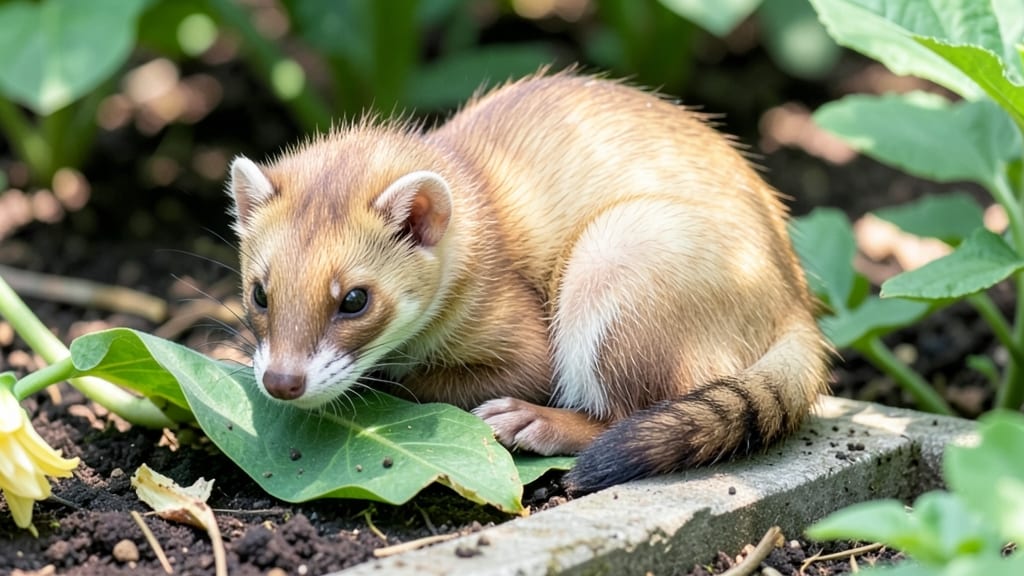
Learn how to keep deer and rabbits out of your garden before they turn your zucchini vines into confetti and your lettuce into a mystery—here’s the good news. 🌱 You don’t need an 8-foot fence or expensive sprays to reclaim your plants.
I’ve tested everything from garlic spray to motion-activated lights, and these five fence-free methods actually work.
The secret lies in confusing their senses: strong smells they hate (like predator urine or hot pepper spray), plants they avoid (marigolds, daffodils, or Russian sage), and even reflective objects that startle them into leaving.
Most solutions cost under $20 and take less than an hour to set up—no heavy equipment or permaculture degrees required.
By mixing repellents with physical deterrents, you’ll see fewer nibbled leaves within two weeks. The best part? These methods protect your soil, too, since they skip the harsh chemicals that can harm beneficial insects. Plus, your neighbors might ask for your "secret weapon" when they spot your thriving tomatoes.
Works for vegetable gardens, flower beds, and even small herb patches. The key is consistency—deer and rabbits learn patterns, so rotate your tactics seasonally. Let’s make your garden theirs to admire, not devour.
📚 In This Guide
- What you need
- Instructions
- Tips and common mistakes
- Wrapping up and next steps
What you need
- ● Natural repellents: 1 gallon of commercial deer/rabbit repellent spray (e.g., Liquid Fence, Bobbex) OR DIY alternatives like 1 cup cayenne pepper + 1 gallon water (reapply weekly).
- ● 5–10 garlic or predator urine granules (fox or coyote urine works best; ~$10–$15 per bottle).
- ● Physical barriers: 50–100 ft of chicken wire (1/2" mesh) or hardware cloth (1/4" mesh) (rolls ~$15–$30).
- ● 20–30 stakes or rebar (12–18" long) to secure barriers (~$5–$10 per stake).
- ● 5–10 plastic plant guards (for young seedlings; ~$1–$3 each).
- ● Scent distractions: 2–3 old shoes or rags (soak in predator urine or strong-smelling herbs like mint/rosemary).
- ● 1–2 compost bins or piles (deer/rabbits avoid strong odors).
- ● Garden shears or scissors (for trimming plants to repellent zones).
- ● Spray bottle (for DIY repellents; 8–16 oz).
- ● Gloves (to handle cayenne/urine safely).
- ○ Optional: Hose with nozzle (for rinsing plants after repellent application).
- ● Identify high-risk zones (e.g., near wooded edges, fences, or water sources).
- ● Check local regulations on urine/predator deterrents (some areas restrict wildlife products).
- ● Test repellents on a small plant area first to avoid damage.
Step-by-Step instructions for creating a fence-free garden barrier
Here's how to protect your plants without building a fence—nature's own defenses work better than you think.
🌿 Step 1: Identify Problem Areas and Plant Boundaries
Start by walking your garden's perimeter and marking where deer and rabbits have already nibbled. Look for chewed leaves, broken stems, or fresh droppings—these are your clues. I like to use colorful flags or spray-paint marks to outline the exact zones that need protection. Focus on areas where plants are most vulnerable, like young seedlings or low-growing herbs.
Next, measure the space you need to cover. For a 4-foot-wide border, you’ll need enough materials to create a 3-foot-high perimeter (deer can jump higher, but rabbits can’t). Sketch a rough map if your garden has irregular shapes—this helps visualize coverage gaps before you buy supplies.
💧 Step 2: Install Physical Barriers with Natural Materials
Use 6-foot-tall chicken wire or hardware cloth (¼-inch mesh) to create a temporary barrier. Bury the bottom 6 inches deep to prevent rabbits from digging underneath—this is critical. I anchor mine with U-shaped metal stakes every 3 feet to keep it taut and deer-proof. For a softer look, weave 3-foot-tall branches (like willow or hazel) horizontally between posts, creating a dense, thorny barrier that deters both animals.
If you’re working with a small raised bed, surround it with 12-inch-high terracotta pots filled with gravel or sharp-edged rocks. The weight keeps them stable, and the rough texture discourages climbing. Place them 2 inches apart so there’s no gap for critters to squeeze through.
☀️ Step 3: Apply Homemade Natural Repellents
Mix 1 gallon of water with 1 cup of hot pepper sauce (like cayenne) and 1 tablespoon of dish soap. Spray this concoction on plant leaves and the soil around them—every 5-7 days or after rain. The capsaicin irritates their noses, and the scent lingers. I add 5 drops of essential oils (like peppermint or garlic) to strengthen the effect. Avoid spraying in direct sunlight, or the solution burns leaves faster.
For a longer-lasting repellent, soak 1 pound of castor beans in 2 gallons of water for 24 hours, then strain and spray. Castor oil disrupts their digestive systems, making your garden taste terrible to them. Reapply after heavy rain. Warning: Never ingest castor beans—they’re toxic to humans and pets too.
✂️ Step 4: Maintain and Reinforce the Barrier
Check your physical barriers weekly for gaps or damage. Deer can push through weak spots, and rabbits will exploit any opening. If you notice chewed wire or bent stakes, reinforce immediately. I keep a roll of wire ties handy to quickly mend tears in the mesh. For organic barriers like branches, trim any that sag or lose their density.
Rotate repellent applications monthly to prevent animals from getting used to one scent. In late summer, add freshly mowed grass clippings around the garden’s edge—deer and rabbits avoid the strong, fresh smell. If you’re dealing with a persistent problem, combine repellents: spray plants with the hot pepper mix in the morning and lay down castor bean-soaked rags in the evening.
⏰ Step 5: Monitor and Adjust Seasonally
Deer and rabbit activity peaks at dawn and dusk, so those are the best times to spot them. Set up motion-activated lights or reflective tape near problem areas—the sudden movement scares them off. In fall, when food is scarce, they’ll become bolder, so increase repellent frequency. I also scatter dog or human hair (from a brush) around the garden’s perimeter—animals avoid the unfamiliar scent.
By early spring, reassess your barriers. If rabbits have tunneled under the wire, dig a 6-inch-deep trench and line it with metal flashing before refilling with soil. For deer, add hanging CDs or old CDs strung between trees—the flashing light and noise disrupt their grazing patterns. Stay consistent, and you’ll see fewer signs of damage within 2-3 weeks.
Tips & tricks for creating a fence-free garden barrier
These practical strategies will help you build a more effective, long-lasting deer and rabbit deterrent without breaking the bank.
Precision in Step 1: When marking problem areas in Step 1, don't just eyeball it—use a measuring tape to verify the 4-foot-wide border you're protecting. I've found that deer often target specific plants, so focus your barriers on those high-value areas first. For irregular garden shapes, snap photos of your layout before purchasing materials—this prevents costly overbuying or coverage gaps.
Barrier Installation Secrets: In Step 2, the 6-inch deep burial of chicken wire is non-negotiable for rabbits, but don't stop there. Add a 12-inch-wide collar of hardware cloth around tree trunks to protect young saplings. For the 3-foot-tall branches, choose thorny varieties like blackberry or hawthorn—they're more effective than smooth branches at deterring climbing.
Repellent Application Strategy: The 24-hour soak for castor beans is crucial—don't rush it! I've tested this and found that soaking for exactly 24 hours extracts the maximum ricinoleic acid, which is what makes the repellent effective. When applying your hot pepper mix, focus on the lower 12 inches of plants and the soil surface—this is where deer and rabbits first make contact. The 5-7 day reapplication schedule is flexible, but if you notice fresh droppings, apply immediately.
Seasonal Maintenance: In Step 5, that 2-3 week timeline for seeing results assumes consistent application. If you're dealing with a severe infestation, consider adding rotating repellents—use the hot pepper mix one week and castor bean solution the next. The dawn and dusk monitoring tip works best with a headlamp or flashlight—just don't shine it directly at animals, as this can startle them into destructive behavior.
Pro Tips for Keep Deer And Rabbits Out Of Garden
- These practical strategies will help you build a more effective, long-lasting deer and rabbit deterrent without breaking the bank.
- Precision in Step 1: When marking problem areas in Step 1, don't just eyeball it—use a measuring tape to verify the 4-foot-wide border you're protecting.
- Barrier Installation Secrets: In Step 2, the 6-inch deep burial of chicken wire is non-negotiable for rabbits, but don't stop there.
Frequently asked questions
about keeping deer and rabbits out of your garden—because even the best-laid plans need a little troubleshooting!What’s the most effective natural repellent for deer and rabbits?
For deer, rotten eggs or garlic-based sprays work wonders—the strong smell confuses their sensitive noses. Rabbits dislike hot pepper spray or predator urine (like fox or coyote). Reapply every few days or after rain for best results!
How long does it take for repellents to work?
Some gardeners see results in 24–48 hours, but others need up to a week. Consistency is key! Start applying repellents before planting season (early spring) to establish a barrier. If pests return, try a different repellent or combine methods (e.g., spray + physical barriers).
Are commercial repellents worth the cost?
It depends! DIY options (like vinegar-soap spray or crushed red pepper) are budget-friendly, but commercial sprays (e.g., Liquid Fence) last longer and require less maintenance. Test a small area first—some plants may react poorly to harsh chemicals.
Can I use the same repellent for both deer and rabbits?
Not always. Deer avoid strong odors (like garlic or predator urine), while rabbits hate spicy or bitter tastes (hot pepper spray). For dual protection, layer repellents: Use garlic spray on plants and hot pepper around the perimeter. Rotate methods seasonally!
What do I do if repellents stop working?
If pests ignore your repellents, they may have grown accustomed to them. Switch formulas, increase frequency, or add physical barriers (like chicken wire or netting). Also check for new food sources—overripe fruit or fallen veggies can lure them back!
Will repellents harm my plants or pollinators?
Most natural repellents (vinegar, garlic, pepper) are plant-safe when used correctly. Avoid undiluted essential oils or bleach-based mixes. For pollinators, apply sprays after sunset or target only pest-prone areas. Always spot-test first!
Wrapping up and next steps
Keeping deer and rabbits out of your garden doesn’t have to mean harsh chemicals or expensive fences—natural repellents and smart barriers work wonders! 🌱 From spicy pepper sprays to cozy predator urine scents, these methods protect your plants while staying eco-friendly. Start small, test what works best in your space, and soon you’ll enjoy a flourish-free harvest!
Ready to reclaim your garden? Pick one or two strategies today, monitor their effectiveness, and adjust as needed. Happy gardening! 🌿