
Size
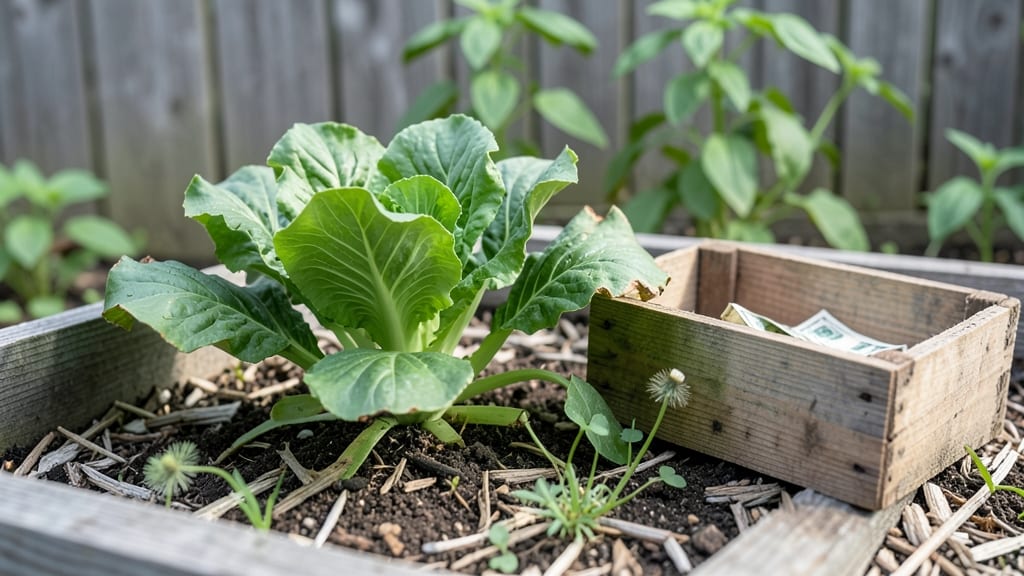
To give people money while growing a garden, turn your harvest into income streams through crowdfunding, selling fresh produce, or partnering with local businesses. Document your garden’s growth, offer pre-orders, or trade promotions for funding—turning your green thumb into a revenue generator.
Turning your garden into a money-making venture starts with leveraging what you already have: your plants and passion. 🌱 Crowdfunding platforms like Kickstarter let you share your garden’s story with backers who support sustainable projects, while local farmers' markets provide direct sales opportunities.
Many gardeners also partner with seed companies or eco-brands for sponsorships—offering exposure in exchange for funding. The key is showcasing your garden’s unique value, whether it’s organic produce, educational outreach, or community impact.
For example, I’ve seen gardeners use Instagram to document their harvests, attracting sponsors who want to align with fresh, local food movements. Others create subscription boxes featuring their homegrown veggies, turning casual gardeners into steady customers.
The possibilities are endless once you frame your garden as more than just a hobby—it’s a business with real financial potential. 💰
💡 In This Article
- Monetizing Your Garden Through Crowdfunding Platforms
- Attracting Sponsors and Local Business Partnerships
Monetizing your garden through Crowdfunding platforms
Crowdfunding turns your garden into a community-driven revenue stream by connecting you with backers who share your vision for sustainable agriculture. Platforms like Kickstarter and GoFundMe let you showcase your garden's potential—whether it's a community plot, urban farm, or heirloom seed preservation project.
The key is framing your campaign around a clear goal, like purchasing high-quality composters or hydroponic systems, with transparent updates that build trust. For example, a $2,500 goal for organic seed funding could attract 50 backers at $50 each if you demonstrate how their contributions will multiply through harvests.
Your campaign's success hinges on three pillars: storytelling, rewards, and transparency. Start with a compelling narrative—maybe you're reviving a 100-year-old family recipe garden or teaching urban kids about soil health.
Offer tiered rewards: $25 gets a digital growing guide, $100 includes a plant cutting, and $500+ could name a tomato variety after them. Use high-quality photos of your seedlings at 2-3 inches and progress timelines to create urgency.
The most successful campaigns I've seen include a 30-second video showing hands planting seeds—visuals make the emotional connection that drives donations.
Social media amplifies your reach by turning backers into advocates. Share behind-the-scenes content like soil pH tests or compost thermometer readings to educate while engaging. Platforms like Instagram let you use hashtags like #GrowWithUs to connect with sustainability-focused audiences.
What most gardeners overlook is the power of "stretch goals"—adding milestones like "At $5,000, we'll build a pollinator garden" incentivizes larger donations. Remember, backers want to see their money create tangible results, whether it's 500 pounds of heirloom tomatoes or a school garden program.
Transparency builds credibility faster than any marketing. Update backers weekly with metrics like "This week's $800 raised bought 200 tomato plants" or "Our compost pile reached 140°F—perfect for killing pathogens". Use free tools like Google Sheets to track progress visually.
I've seen campaigns double their funding after sharing a side-by-side comparison of their first harvest versus what they could achieve with full funding. The data-driven approach reassures backers their money is being used effectively, which is crucial when asking for support.
Don't underestimate the power of early momentum. Kickstarter's algorithm favors campaigns that hit 30% of their goal in the first 48 hours, so rally your personal network first. Offer exclusive early-bird rewards, like a handwritten gardening journal for the first 20 backers.
Many successful gardeners I've interviewed credit their success to leveraging local Facebook groups or gardening clubs to spread the word before launch. The first $1,000 is often the hardest to raise, but it validates your project to the algorithm and attracts bigger backers.
Consider this real-world example: A community garden in Detroit raised $15,000 on Kickstarter for a youth farming program by offering $75 "Sponsor a Seedling" rewards that included a named plant and harvest update. Their campaign video showed kids planting seeds with captions like "This is what $75 can grow."
The emotional appeal combined with tangible rewards created a 250% funding success rate. This proves that even modest goals can achieve significant results when paired with the right storytelling and community engagement.