
Flowers
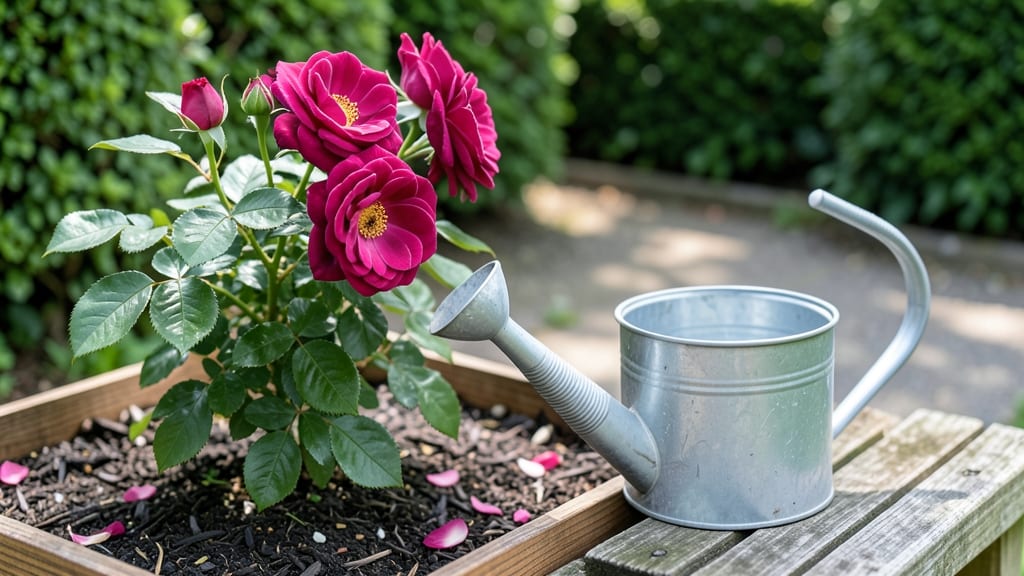
Flower gardening is all about balancing growth and maintenance—think of it like tending to a living art piece. 🌸 The core activities like deadheading (removing spent blooms) and mulching (preserving moisture) directly boost plant health, while seasonal shifts—like spring soil aeration or fall leaf cleanup—keep gardens thriving year-round.
I’ve found that even small tasks, such as inspecting leaves for aphids or adjusting water schedules, can make a huge difference in bloom quality and plant longevity.
Beyond the basics, many gardeners incorporate companion planting to deter pests naturally or use slow-release fertilizers for steady nutrition. The key is consistency:: neglecting weeding or fertilization can lead to overcrowding or nutrient deficiencies, which show up as weak stems or sparse flowers.
For example, roses need regular pruning to encourage new growth, while lavender thrives with minimal watering once established. Understanding these nuances transforms gardening from chores into a rewarding, science-backed hobby.
💡 In This Article
- Seasonal Flower Gardening Tasks Breakdown
- Essential Flower Gardening Tools and Techniques
Seasonal flower gardening tasks breakdown
Spring kicks off with soil preparation, where gardeners till the earth to a depth of 6-12 inches to improve aeration and root penetration.
This is when perennials like peonies and daylilies begin their growth cycle, while annuals such as marigolds and zinnias are planted after the last frost date—typically when soil temperatures reach 50-55°F.
The goal is to establish roots before summer heat arrives, as shallow roots struggle to access moisture during drought conditions. 🌱
Summer shifts focus to watering management, with most flowers needing 1-1.5 inches of water weekly, applied deeply at the base to encourage deep root growth. Mulching with 2-3 inches of organic matter (like shredded bark) retains moisture and suppresses weeds, reducing evaporation by up to 30%.
Pruning becomes critical too—cutting back 1/3 of the stem on overgrown plants stimulates bushier growth, while deadheading spent blooms redirects energy to new flowers. Heat-loving varieties like black-eyed Susans thrive in these conditions, but shade-sensitive plants may need afternoon protection.
Fall is cleanup season, where gardeners remove annuals and compost them to recycle nutrients, while perennials are cut back to 3-6 inches above ground to protect crowns from frost. Soil tests reveal pH levels—most flowers prefer 6.0-7.0—and gardeners amend with lime or sulfur as needed.
Mulching is reapplied to insulate roots, and bulbs like tulips are planted in well-drained soil before the ground freezes. This prep work prevents winter die-off and ensures vibrant spring regrowth. 🍂
Winter tasks vary by climate: in colder zones, tender perennials are wrapped in burlap or covered with 4-6 inches of straw, while evergreens receive anti-desiccant sprays to prevent needle browning. In milder regions, pruning can continue, but avoid heavy cuts that expose plants to cold damage.
Snow acts as natural insulation, but removing it from branches prevents breakage. This dormant season is perfect for planning next year’s layout, selecting new varieties, and sharpening tools for spring readiness.
Climate plays a huge role in timing—gardeners in Zone 5 might start spring planting in late April, while those in Zone 9 can plant year-round. Microclimates matter too: a south-facing wall stays 5-10°F warmer than open ground, allowing earlier planting of heat-sensitive flowers.
By understanding these seasonal rhythms, gardeners create a self-sustaining ecosystem where each task builds on the last, ensuring vibrant blooms with minimal effort. ✨