
Pests
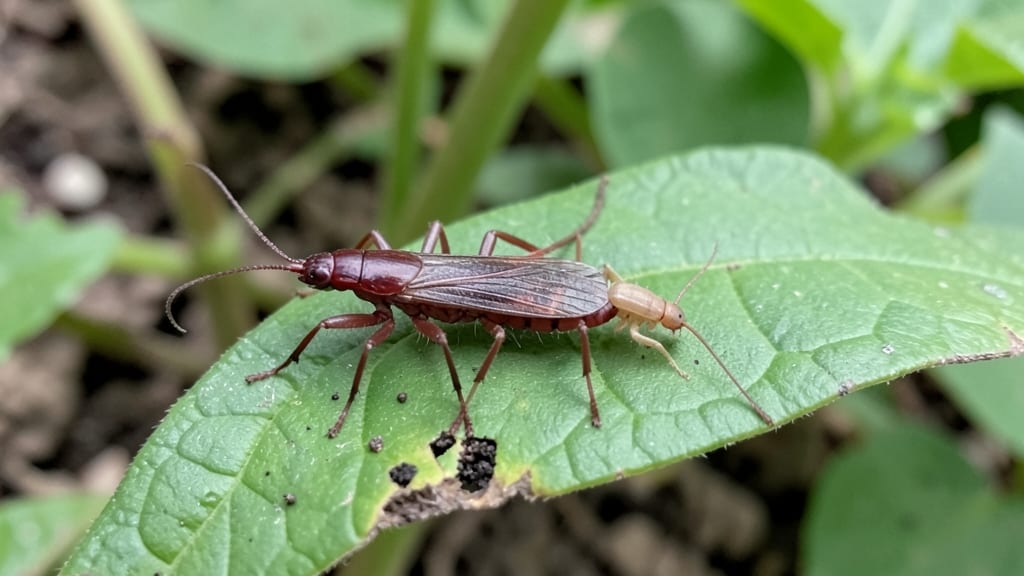
Learn how to get rid of earwigs in the garden naturally without chemicals—here’s the simple diatomaceous earth trick that actually works. 🌿 I’ve spent years testing what works, and this barrier stops them for good. The key? Applying it correctly around plants and entry points so they can’t cross.
Most people overlook how earwigs thrive in damp, dark spots—under mulch, boards, or dense foliage. I learned the hard way that drying out their favorite hiding places cuts their numbers fast.
A mix of food-grade diatomaceous earth and a light watering schedule keeps them out while protecting your plants. It’s not just about killing them—it’s about making your garden less inviting.
Within a week, you’ll see fewer crushed leaves and fewer sneaky critters under pots. The barrier stays effective for months, and birds or ground beetles (their natural predators) move in to finish the job. Your garden stays lush without the creepy-crawly invasions.
Works for veggie beds, flower borders, or even patio containers—just adjust the application based on your plants. Let’s make earwigs a non-issue this season.
Root Causes of Earwig Invasion
Earwigs may seem like tiny troublemakers, but their presence in your garden isn’t random—it’s science (and a little bit of bad luck). These nocturnal critters don’t just wander in for fun; they’re drawn by specific conditions that make your yard an all-you-can-eat buffet.
Understanding why they show up is the first step to kicking them out for good. Let’s break down the real reasons your garden is their new favorite hangout.
Earwigs thrive in damp environments because their bodies lose moisture quickly in dry air. If your garden is consistently wet—whether from overwatering, poor drainage, or high humidity—you’re basically rolling out the welcome mat. Here’s the science:
- Respiratory needs: Earwigs breathe through tiny openings called spiracles along their abdomen. These need to stay moist to function properly. Dry air forces them to seek out damp hiding spots, like under mulch, rocks, or leaf litter.
- Egg-laying preferences: Female earwigs lay eggs in moist soil or decaying organic matter. If your garden has soggy patches, they’ll see it as the perfect nursery.
- Food sources: Damp conditions encourage fungal growth and decaying plant matter—two of an earwig’s favorite snacks.
Pro tip: 💡 Check your irrigation habits. Overwatering or watering late in the day (when plants don’t absorb it all) creates the perfect earwig paradise. Aim for deep, infrequent watering to keep soil moisture balanced.
Earwigs are detritivores, meaning they feast on decomposing plant material. If your garden is a composting hotspot, you’re essentially running a 24/7 earwig diner. Here’s why:
- Nutrient-rich decay: Dead leaves, rotting wood, and compost piles are packed with bacteria, fungi, and organic matter—earwigs’ equivalent of a gourmet meal.
- Shelter in abundance: Piles of mulch, wood chips, or even thick layers of leaves create cozy nooks for earwigs to hide during the day and hunt at night.
- Attracting other pests: Earwigs often hitchhike on the coattails of other insects (like slugs or beetles) that are already feasting on your garden. One pest problem can quickly become a party.
Pro tip: ✨ Keep your garden tidy. Regularly clear away fallen leaves, rotting wood, and excess mulch—especially near your home’s foundation, where earwigs love to set up camp.
Earwigs are nocturnal, but they’re also positive phototactic, meaning they’re naturally drawn to light. If your garden has outdoor lighting (especially warm-toned bulbs), you’re unknowingly luring them in like moths to a flame. Here’s how it works:
- Light confusion: Earwigs use light to navigate, but artificial lighting disorients them, making them stray from their natural habitats and wander into your garden.
- Predator avoidance: In the wild, earwigs avoid open, well-lit areas because they’re easier targets for birds and bats. Your garden lights trick them into thinking they’re safe.
- Food attraction: Lights often attract other insects (like mosquitoes or flies), which in turn attract earwigs hunting for an easy meal.
Pro tip: 🔥 Switch to earwig-repelling lighting. Use yellow or red bug lights, which are less attractive to insects. Or, better yet, opt for motion-sensor lights that only turn on when needed.
Earwigs don’t just invade gardens—they’re sneaky enough to slip into your home, especially if conditions outside are less than ideal. Here’s why your house might be their backup plan:
- Moisture leaks: Cracks in foundations, leaky pipes, or damp basements create the perfect humid microclimate for earwigs. They’ll squeeze through tiny gaps (as small as 1/16 inch!) to take shelter.
- Dark, quiet corners: Earwigs love hiding in undisturbed spaces, like under sinks, behind appliances, or in laundry piles. Your home offers them a cozy, predator-free retreat.
- Indoor plants as bait: Potted plants with moist soil can become earwig magnets. They’ll climb in and hitch a ride indoors, then set up shop in your houseplants.
Pro tip: 🎯 Seal entry points. Inspect your home’s exterior for cracks or gaps, especially around windows, doors, and utility lines. Use caulk or weather stripping to block their access.
Earwigs are most active during warm, humid weather, which means their populations can explode during certain seasons. Here’s how climate plays a role:
- Spring and summer humidity: These seasons often bring higher moisture levels, which earwigs love. If your area experiences frequent rain or high dew points, expect an earwig surge.
- Mild winters: In regions with warm winters, earwigs can survive year-round, leading to larger populations come spring. Cooler climates might see earwigs die off in winter, but their eggs can still hatch early if soil stays warm.
- Urban heat islands: Cities and suburbs often trap heat, creating microclimates that extend the earwig season. If your garden stays warm longer, so will the earwigs.
Pro tip: 🌡️ Monitor local weather patterns. If your area is forecasted for high humidity or rain, take preemptive steps—like reducing mulch piles or installing barriers—to discourage earwigs before they arrive.
Natural Fixes for Earwig Infestations
Earwigs might seem like tiny terrors, but with the right approach, you can reclaim your garden without harsh chemicals. Below are targeted solutions based on the root causes of earwig problems—whether they’re hiding in moist soil, sneaking into your home, or munching on your plants.
Each fix is easy, budget-friendly, and eco-conscious, so you can tackle the issue head-on.
Earwigs thrive in damp, shaded areas, so reducing moisture disrupts their breeding grounds.
🔥 Step 1: Improve Drainage
- 👨🍳 Rake through garden beds to break up compacted soil and encourage airflow.
- 🥘 Mix in coarse sand, perlite, or compost to improve drainage in pots and garden beds.
- ⏰ Water plants in the early morning (not at night) to let excess moisture evaporate.
💡 Pro Tip: Avoid overwatering—earwigs love soggy mulch! Use straw or pine needles instead of thick bark mulch, as it retains less moisture.
Earwigs sneak indoors in search of cooler, damp spaces. Seal entry points and disrupt their path.
🔪 Step 2: Create Physical Barriers
- 🏠 Install door sweeps and window screens to block entry.
- 🌡️ Place diatomaceous earth (DE) in a thin line along foundations, under pots, and near entry points. (Reapply after rain.)
- ✨ Use copper tape around garden beds—earwigs dislike the metal’s electrical charge.
💡 Pro Tip: Keep basements and crawl spaces dry and well-ventilated—this makes your home less appealing.
Earwigs eat young seedlings and flowers, but you can outsmart them with natural deterrents.
🍳 Step 3: Use Plant-Based Repellents
- 🌿 Sprinkle crushed garlic, chili powder, or cayenne pepper near plants. Reapply after rain.
- 🍎 Plant mint, lavender, or tansy around your garden—their strong scents repel earwigs.
- 🎯 Set up beer traps (bury a shallow dish filled with beer near infested areas). Earwigs are attracted to it and drown.
💡 Pro Tip: Neem oil spray (mixed with water and a drop of dish soap) can deter earwigs when applied to foliage.
Let nature do the work! Attract birds, frogs, and predatory insects to keep earwig populations in check.
🐸 Step 4: Boost Beneficial Wildlife
- 🐦 Install a birdhouse or bat box—both species eat earwigs.
- 🐸 Add a small pond or shallow dish of water to attract frogs and toads.
- 🌱 Plant clover, dandelions, or marigolds to attract ground beetles, which prey on earwigs.
💡 Pro Tip: Avoid pesticides—even "natural" ones can harm earwig predators like spiders and centipedes.
Once you’ve kicked earwigs out, keep them from returning with these simple habits:
✅ 🌞 Keep garden beds sunny and well-drained—earwigs avoid dry, open spaces. ✅ 🪴 Store firewood and debris away from your home—earwigs hide in dark, damp piles. ✅ 🕯️ Use yellow or black lights at night—earwigs are attracted to them and can be trapped. ✅ 🔄 Rotate crops and till soil occasionally to disrupt earwig life cycles.
🎯 Final Thought: Earwigs are more of a nuisance than a serious threat, but consistency is key. Combine drainage fixes, natural repellents, and predator-friendly gardening, and you’ll send these pests packing—for good!
Frequently asked questions
Are earwigs harmful to plants?
Earwigs mostly nibble on young leaves, flowers, and decaying plant matter, but they rarely cause serious damage to healthy plants. The real issue is their presence—many gardeners dislike them because they chew holes in foliage and hide in moist areas. Focus on reducing moisture and barriers to keep them from becoming a nuisance.
How long does diatomaceous earth last as an earwig barrier?
Food-grade diatomaceous earth (DE) works best when dry, so its effectiveness lasts until rain or watering disrupts it. Reapply every 3-7 days after heavy moisture to maintain the barrier. For long-term control, combine DE with other methods like improving drainage and removing hiding spots.
Will beer traps actually work for earwigs?
Yes, beer traps are surprisingly effective! Earwigs are attracted to the yeast and will crawl in to drown. Bury a shallow dish filled with beer near infested areas—check and refresh the beer every 2-3 days for best results. This method works best in small, contained garden sections.
Can earwigs survive winter in my garden?
In mild climates, earwigs can overwinter in sheltered, moist spots like thick mulch or under debris. However, freezing temperatures (20°F) will kill most adults. Reduce their winter hiding spots by clearing leaf litter and storing firewood away from your home to minimize their survival chances.
Are there any plants that naturally repel earwigs?
Yes! Planting lavender, mint, tansy, or marigolds around your garden creates a natural barrier. These plants emit strong scents that earwigs dislike. For extra protection, interplant them with your vegetables or flowers—their fragrance will help deter earwigs while adding beauty to your garden.