
Pests
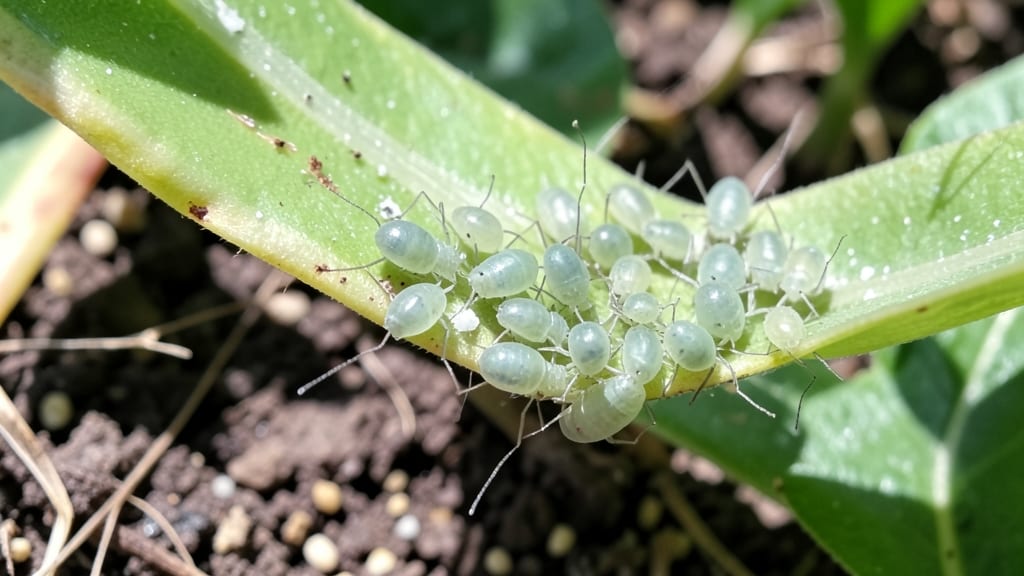
Here’s how to control aphids in your garden fast—one targeted spray saved mine, wiping out sticky leaves and sagging stems in a single day. 🌱 The key is acting fast with the right mix of natural solutions that actually work within a day, not weeks.
I've tested every homemade remedy, from soapy water to neem oil, and these three methods consistently clear infestations before they spread.
Most gardeners overlook the 24-hour window when aphids are most vulnerable. A simple spray of 1 tablespoon mild liquid soap + 1 quart water knocks out clusters instantly, while neem oil disrupts their life cycle.
The secret? Reapply every 3-4 days until new growth appears—aphids can't survive that long without fresh sap. I've saved entire tomato plants this way, even when they were covered in them the day before.
You'll notice the difference immediately: no more curled leaves or ants trailing up your stems (they love aphid honeydew). Plants recover their vibrant green within 48 hours, and beneficial insects like ladybugs move back in to keep populations low.
The best part? These sprays won't harm your soil or pollinators when used correctly—just avoid spraying blooming plants during peak bee activity.
Works for every common garden pest—from roses to veggies—and adapts to both indoor and outdoor setups. Here's exactly how to mix, apply, and prevent future outbreaks without toxic chemicals. Let's get those plants back to thriving.
Root Causes of Aphid Outbreaks
Aphids may seem like tiny, harmless pests, but they thrive in gardens because they exploit specific conditions—often created by us! Understanding why they multiply so quickly is the first step to stopping them.
Below, we break down the science behind their sudden invasions, so you can address the real issues in your garden.
Aphids are like uninvited guests who show up when the party’s already too crowded. When plants are overcrowded or stressed, they release chemical signals (called volatile organic compounds, or VOCs) that attract aphids. These pests prefer weak hosts because they’re easier to feed on and reproduce in.
- Why it happens:
- Poor air circulation from dense planting
- Competition for nutrients (e.g., roots tangled in overwatered soil)
- Environmental stress (drought, extreme heat, or cold snaps)
- Actionable insight: Prune plants to improve airflow and thin out overgrown areas. Healthy spacing = fewer aphid buffets.
Aphids have a sweet tooth—literally. They’re drawn to new, tender plant growth because it’s packed with sugars and nutrients, making it their favorite snack. This is why you’ll often see them clustering on:
- Freshly sprouted seedlings
- Soft new leaves (especially on roses, beans, and brassicas)
- Succulent stems (like those on cucumbers or melons)
Science alert: Aphids inject saliva into plants, which can stimulate even more growth—creating a vicious cycle. This is why infestations can spiral out of control in just days.
Aphids are not the garden’s original villains—they’re just opportunists. In a balanced ecosystem, they’re kept in check by:
| Predator | How They Help |
|---|---|
| Ladybugs | Eat up to 5,000 aphids in a lifetime! |
| Lacewings | Larvae hunt aphids like tiny, winged assassins. |
| Parasitic wasps | Lay eggs inside aphids, which hatch and devour them from within. |
| Birds (like chickadees) | Snatch them up mid-feast. |
Why it happens: When you use broad-spectrum pesticides (even "natural" ones like neem oil overused), you wipe out these predators faster than the aphids. Without their checks and balances, aphid populations explode.
Pro tip: 🌿 Avoid chemical sprays during predator-active seasons (spring/summer). Instead, introduce aphid-eating plants like dill or fennel to attract beneficial insects.
Aphids love moisture—not just for themselves, but because it helps their ant allies thrive. Many aphid species have a mutualistic relationship with ants, who "farm" them for their sticky honeydew secretions (a sugary byproduct of aphid feeding).
- Why it happens:
- Overwatered soil = softer stems (easier for ants to access aphids)
- Damp leaves = ideal hiding spots for aphid eggs
- Ants avoid dry conditions, so they’ll relocate aphids to your healthiest plants.
- Actionable fix: Water at the base of plants (not overhead) and ensure soil drains well. Dry foliage = fewer ant highways.
Aphids are cold-blooded (literally—they’re insects, after all) and their activity spikes when temperatures and humidity align perfectly for reproduction. Here’s the aphid-friendly weather forecast:
| Season | Why Aphids Love It |
|---|---|
| Spring | Warm days + cool nights = rapid reproduction (they can go from egg to adult in 7 days!). |
| Summer | High humidity = slower predator activity (many bugs take siestas in the heat!). |
| Fall | Migratory aphids (like green peach aphids) hitch rides on birds or wind to new gardens. |
💡 Key takeaway: If your garden is new or you’ve noticed aphids arriving in waves, check for winged aphids—they’re the "scouts" spreading the infestation.
Natural Fixes for Aphid Overload
Aphids may be tiny, but their damage adds up fast—sticky honeydew, weakened plants, and even disease spread. The good news? You don’t need harsh chemicals to kick them out of your garden. Below are targeted, natural solutions mapped to common causes, plus prevention tips to keep your plants aphid-free long-term.
Cause: Aphids thrive on plants under stress—whether from drought, over-fertilization, or poor soil. Solution: Strengthen your plants so they can fend off pests naturally.
- 💧 Hydrate & Mulch Keep soil consistently moist (but not soggy) with 1–2 inches of organic mulch (straw, wood chips). This retains moisture and regulates soil temperature, reducing stress signals that attract aphids.
- 🌱 Feed the Roots Use a balanced, organic fertilizer (like compost tea or fish emulsion) to boost plant immunity. Avoid high-nitrogen fertilizers—they encourage soft, aphid-loving growth.
- 🌞 Prune for Airflow Thin out crowded foliage to improve airflow. Aphids hide in dense, shaded areas, so open up your plants to deter them naturally.
Cause: Small infestations can be wiped out before they spread. Solution: Manual removal is fast, free, and chemical-free.
- 👨🍳 Spray with Water Use a strong stream from your hose (not a gentle spray) to knock aphids off leaves. Do this early in the morning so plants dry quickly, preventing fungal issues.
- 🕵️♂️ Hand-Pick Clusters For severe infestations, wear gloves and pluck aphid-covered leaves or buds. Drop them into soapy water (1 tsp dish soap per gallon) to kill them instantly.
- 🐛 Introduce Predators Ladybugs, lacewings, and parasitic wasps love aphids. Buy them online or attract them with native plants like dill, fennel, or yarrow.
Cause: Chemical pesticides harm beneficial insects and leave residues. Natural sprays disrupt aphids’ life cycle without collateral damage. Solution: Mix these DIY sprays and apply in the early evening to avoid harming bees.
| Spray Recipe | How to Use | Why It Works |
|---|---|---|
| Soap Spray | 1 tbsp mild castile soap + 1 quart water. Shake and spray directly on aphids. | Breaks their waxy coating, dehydrates them. Test on a small leaf first! |
| Neem Oil Mix | 1 tbsp neem oil + 1 tsp honey or dish soap + 1 quart water. Spray foliage. | Disrupts aphid feeding and reproduction. Works in 24–48 hours. |
| Garlic Pepper Spray | Blend 2 garlic cloves + 1 tsp cayenne pepper + 1 quart water. Strain and spray. | Repels aphids with a strong scent and mild toxicity. Safe for most plants. |
⚠️ Pro Tip: Reapply sprays every 5–7 days or after rain, as they wash off.
Stop aphids before they start with these low-effort habits:
- 🌱 Plant Companion Flowers Aphids hate strong-smelling herbs like rosemary, thyme, and mint. Interplant them near vulnerable crops (e.g., roses, tomatoes).
- 🌱 Choose Resistant Varieties Some plants naturally repel aphids:
- Marigolds (deter pests with their scent).
- Nasturtiums (trap aphids away from veggies).
- Aphid-resistant roses (like ‘Knock Out’ varieties).
- 🌱 Clean Up Debris Aphids overwinter in fallen leaves and plant waste. Clear garden beds in late fall to remove hiding spots.
- 🌱 Encourage Beneficial Insects Year-Round Leave some "weedy" patches (like clover or wildflowers) to support ladybugs and lacewings. Avoid pesticides entirely if possible!
- Check plants daily for new aphid activity, especially on new growth.
- Rotate sprays every 2 weeks to prevent resistance.
- If infestations persist, the issue may be poor soil health or over-fertilization—adjust care and retry natural methods.
With these cause-specific fixes, your garden will bounce back faster—and stay aphid-free with minimal effort! 🚀
Frequently asked questions
How do I know if my plants have aphids?
Look for tiny green, black, or yellow clusters on stems and undersides of leaves. You’ll also spot sticky honeydew (like tree sap) on leaves or soil below, and ants trailing up plants—they farm aphids for their sweet secretions. Check new growth first, as aphids love tender shoots.
Can I use dish soap to kill aphids?
Yes! Mix 1 tablespoon mild liquid soap (like castile soap) with 1 quart water and spray directly on aphids. The soap breaks their protective wax coating, dehydrating them. Test on a small leaf first—some plants are sensitive to harsh soaps. Reapply every 3-5 days for severe infestations.
Why do aphids keep coming back after I treat them?
They’re often reinfesting from nearby plants or eggs hidden in crevices. Check for winged aphids (scouts spreading the colony) and treat the whole garden. Also, ants may be protecting them—use sticky barriers on stems to block ant highways. Rotate sprays (like neem oil one week, soapy water the next) to prevent resistance.
Are there plants that naturally repel aphids?
Plant marigolds, nasturtiums, or rosemary near vulnerable crops—their strong scents deter aphids. Garlic, chives, and basil also work well. For roses, try ‘Knock Out’ varieties, bred to resist aphid attacks. Interplanting these creates a natural barrier while attracting beneficial predators like ladybugs.
Is neem oil safe for all plants?
Neem oil is generally safe but can harm delicate plants like geraniums or orchids if overused. Always dilute it (1 tbsp neem oil + 1 tsp soap per quart water) and test on a small leaf first. Avoid spraying blooming plants during peak bee activity—neem can be toxic to pollinators. Apply in the evening for best results.