
Neem Oil
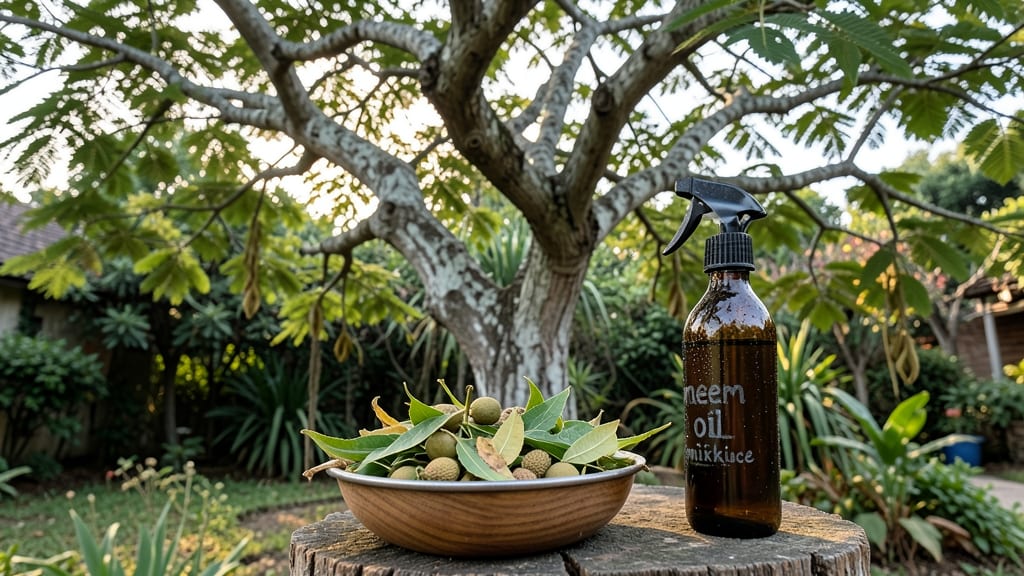
Neem oil in the garden offers versatile uses as a natural pesticide, fungicide, and soil conditioner that repels pests like aphids and mites while combating fungal diseases such as powdery mildew. It also improves soil health by reducing harmful microbes and encouraging beneficial fungi growth.
This powerful oil works through natural compounds like azadirachtin, which disrupts insect feeding and reproduction while its antifungal properties prevent common plant diseases. 🌱 I’ve seen it transform struggling gardens—just a few sprays can stop aphid infestations in their tracks, and soil treatments keep roots thriving long-term.
The best part? It’s safe for most plants when used correctly, making it a go-to for organic gardeners.
For maximum effectiveness, mix it with water and a drop of dish soap as an emulsifier, then apply during early morning or evening to avoid sunburning plants. The key is consistency—regular applications create a protective barrier against pests and diseases without harsh chemicals.
💡 In This Article
- How Neem Oil Works Against Garden Pests and Diseases
- DIY Neem Oil Sprays and Soil Treatment Recipes
How neem oil works against garden pests and diseases
Neem oil's power comes from its rich blend of bioactive compounds, with azadirachtin being the superstar. This limonoid disrupts insect life cycles by interfering with molting hormones, preventing larvae from maturing into adults.
At concentrations as low as 0.1%, azadirachtin repels pests like aphids and whiteflies within hours, while higher doses (1%) can kill soft-bodied insects outright.
The oil also contains salannin and nimbin, which act as feeding deterrents by altering plant chemistry to make leaves taste bitter and unappealing to pests.
Against fungal diseases, neem oil works through a different mechanism—its fatty acids (oleic and stearic acids) create a protective film on plant surfaces that suffocates fungal spores. Studies show it can prevent powdery mildew infections by up to 85% when applied preventatively.
The oil's antifungal properties extend to soil-borne pathogens like black spot and root rot, where it disrupts spore germination through direct contact. Unlike chemical fungicides, neem oil doesn't leave toxic residues, making it safe for edible crops even at harvest time.
The effectiveness varies by pest type due to differences in their biology. For example, neem oil works exceptionally well against spider mites because these tiny arachnids lack the protective exoskeletons of beetles or caterpillars.
A 1% neem oil solution can kill 90% of spider mite populations within 24 hours by clogging their respiratory systems. However, for tougher pests like Japanese beetles, you'll need repeated applications because their thick exoskeletons offer more protection against the oil's active compounds.
What makes neem oil particularly fascinating is its multi-pronged approach to pest control. It doesn't just kill insects—it disrupts their entire reproductive cycle. Female pests exposed to treated plants often lay fewer eggs, and those that do hatch may fail to develop properly.
This population control effect is why gardeners see long-term benefits even after stopping applications. The oil's antifungal properties work similarly by preventing spore germination before infections can take hold, creating a preventative shield rather than just treating symptoms.
In the soil, neem oil acts as a natural biostimulant by promoting beneficial mycorrhizal fungi while suppressing harmful pathogens. When applied as a soil drench at 1-2 tablespoons per gallon of water, it creates an environment where beneficial microbes thrive.
This microbial balance is crucial for plant health, as it improves nutrient uptake and disease resistance. The oil's ability to both repel pests and enhance soil health makes it one of the most comprehensive natural solutions for organic gardening.
One interesting detail is how neem oil's effectiveness changes with temperature. At below 50°F, its active compounds become less effective because they don't penetrate plant tissues as efficiently. That's why early morning or evening applications work best—the cooler temperatures help the oil adhere better to plant surfaces.
During hot days, you'll need to reapply more frequently because the sun's UV rays break down some of the active compounds within 24-48 hours.
The science behind neem oil's versatility lies in its complex chemical profile. With over 140 identified compounds, it's no wonder this single oil can address so many garden problems.
From disrupting insect hormones to creating antifungal barriers, neem oil proves that nature's solutions are often more sophisticated than synthetic alternatives. 🌿