
Companion Plants
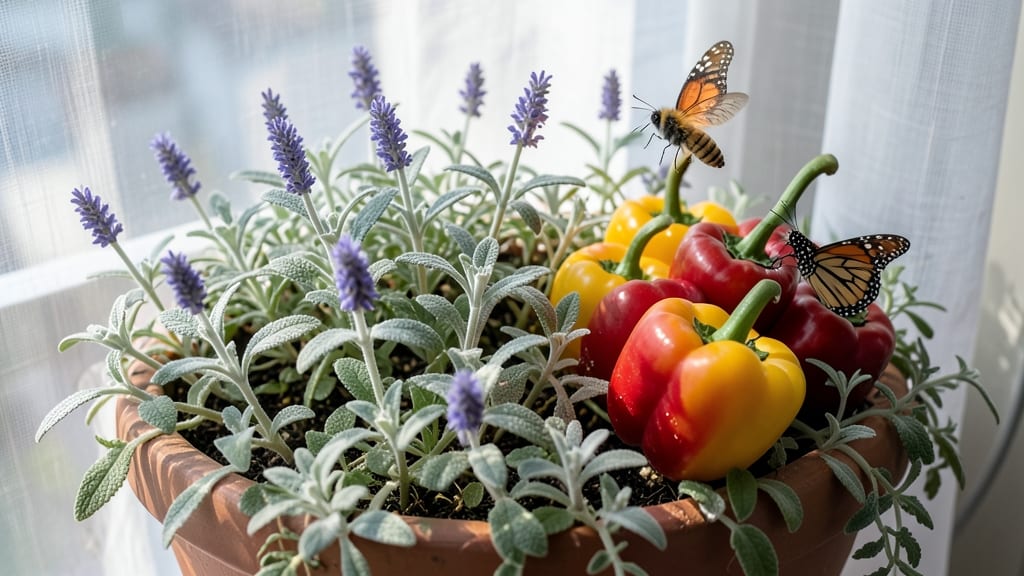
Transform your house garden into a pollinator paradise with these 10 strategic plant pairings. By attracting bees, butterflies, and hummingbirds, you’ll naturally boost fruit, vegetable, and herb yields while creating a thriving ecosystem right outside your door.
Basil and Tomatoes for Pest Control
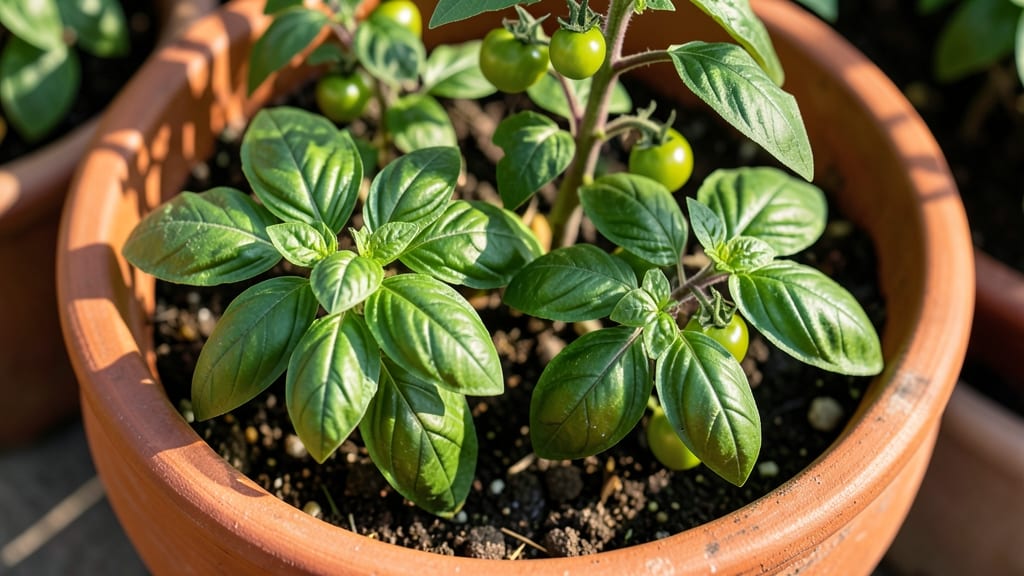
Container gardens don’t have to mean sacrificing flavor or dealing with pests—just pair basil with your tomatoes for a two-for-one solution. This classic duo isn’t just about taste; basil’s aromatic oils naturally repel thrips and whiteflies, common tomato pests, while its presence actually enhances the sweetness of the fruit. The best part? They thrive together in the same pot, making this the perfect pairing for balconies, windowsills, or small patios.
For maximum benefits, plant basil around the base of your tomato plants (or in the same container) to create a protective barrier. Both love full sun (6+ hours daily) and well-draining soil—just keep the basil pruned to encourage bushier growth and prevent it from shading the tomatoes. This combo is especially rewarding for urban gardeners or anyone with limited space, as it delivers pest control, better flavor, and higher yields without extra effort.
Whether you’re growing cherry tomatoes or slicing varieties, this pairing proves that even small gardens can produce big results—plus, you’ll get fresh herbs for cooking! 🌿
Marigolds and Carrots for Soil Health
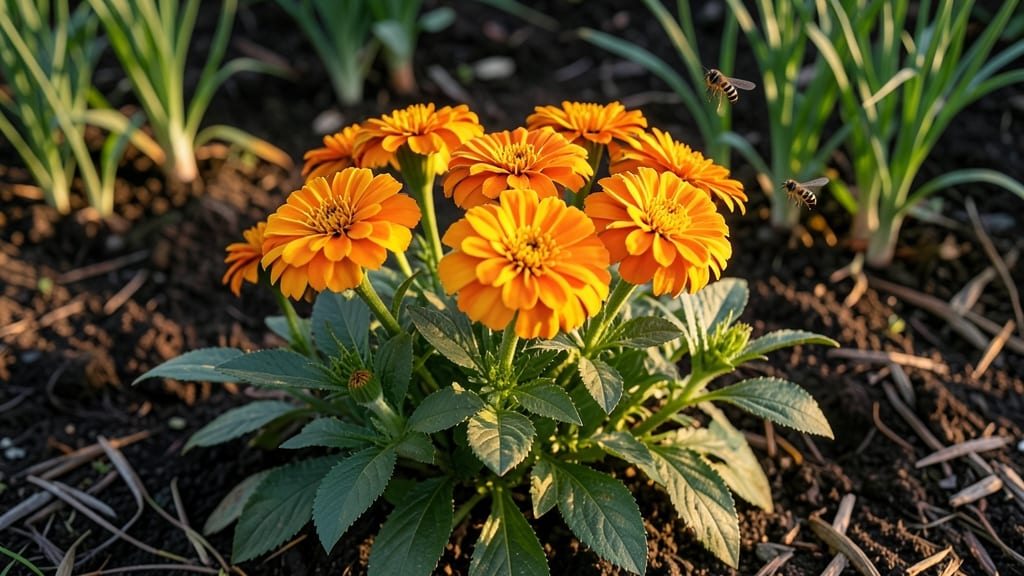
If you’re struggling with soil-borne pests like nematodes in your small garden plot, marigolds are the unsung heroes you need. Their bright blooms aren’t just pretty—they release natural compounds that repel nematodes, while their scent attracts hoverflies, which pollinate carrots and keep aphids at bay.
Plant French marigolds (like ‘Tangerine’ or ‘Bonanza’) around your carrot patch, spacing them 6–12 inches apart for maximum coverage. The hoverflies drawn to marigolds will boost carrot pollination, leading to sweeter, straighter roots. This combo thrives in full sun and well-draining soil, making it ideal for raised beds or containers.
Urban gardeners and beginners will love this pairing—it’s low-maintenance, pest-resistant, and doubles your harvest potential without extra space. 🌿
Lavender and Cucumbers for Pollinator Magnet
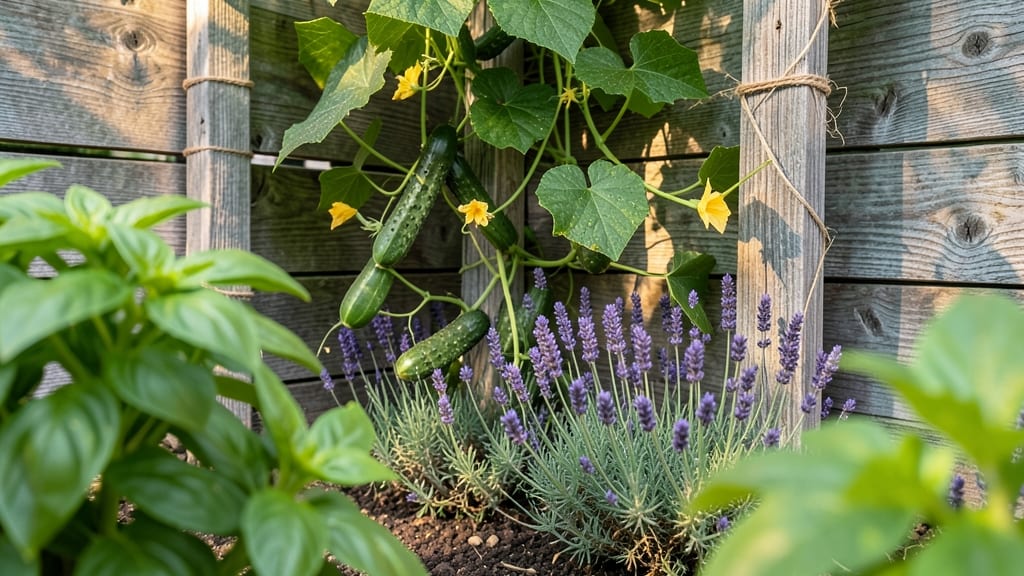
Want to turn your small garden into a bee buffet without sacrificing space? Pair lavender with cucumbers on a trellis for a double win: the fragrant blooms lure pollinators, while the vines maximize vertical growth. This combo isn’t just efficient—it can double your cucumber yield by ensuring better cross-pollination.
Plant lavender in a 12-inch-wide border around your trellis, where its drought-tolerant roots thrive in well-draining soil. Let cucumber vines climb the trellis, keeping fruits off the ground and out of pests’ reach. The bees adore lavender’s scent, making them more likely to visit your cucumbers—resulting in larger, sweeter fruit.
This pairing is perfect for urban gardeners or anyone with limited square footage. The fragrant lavender adds beauty, while the trellised cucumbers save space and boost production—all while supporting local pollinators. 🌿
Nasturtiums and Strawberries for Natural Fertilizer
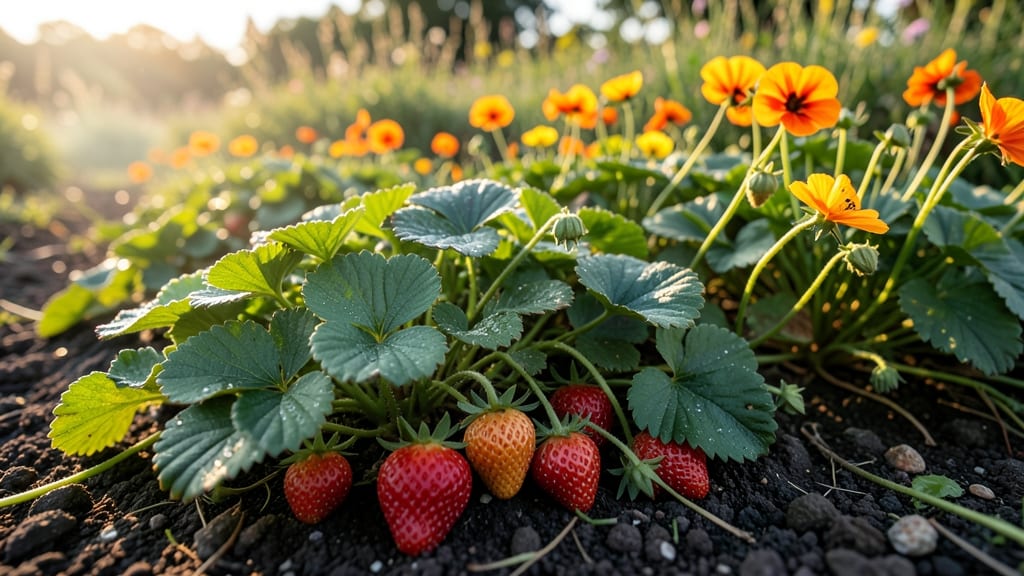
Want a low-maintenance way to boost your strawberry harvest while keeping pests at bay? Plant nasturtiums alongside your berries—they act as a natural aphid trap and nitrogen booster, making the soil richer for your strawberries to thrive.
Nasturtiums’ bright orange and yellow blooms not only lure pollinators like bees and butterflies but also deter aphids, which would otherwise drain your strawberry plants. Their trailing vines make them perfect for hanging baskets or as a ground cover, adding color while improving soil fertility. Simply tuck nasturtiums around the edges of your strawberry patch or let them spill over the sides of containers for a dual-purpose display.
This pairing is especially great for urban gardeners or those with limited space, as it maximizes yields without extra effort. Plus, the edible nasturtium flowers add a peppery kick to salads—bonus harvest! 🌻
Dill and Cabbage for Butterfly Attraction
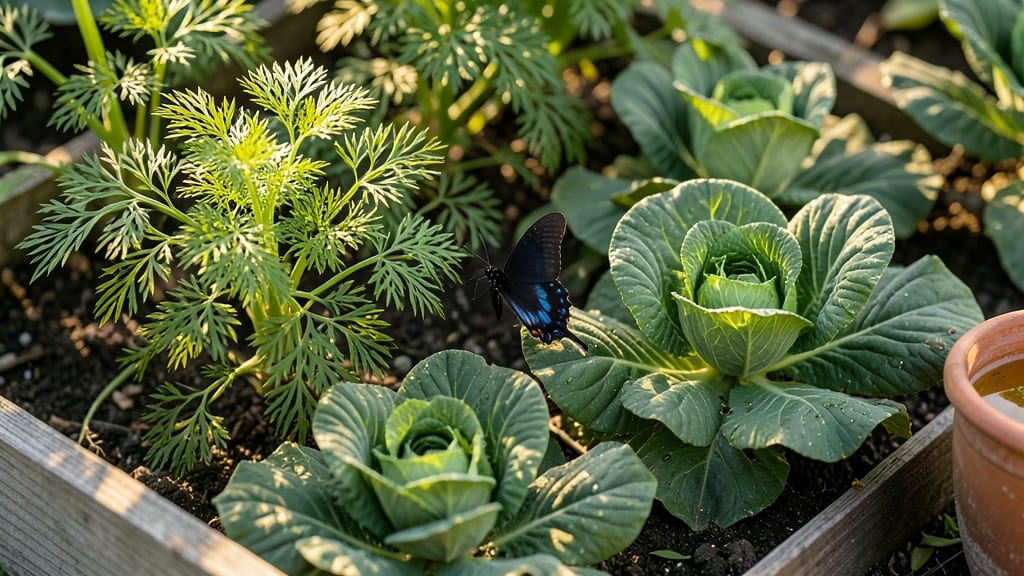
Skip the chemical repellents—dill and cabbage team up to create a butterfly-friendly haven that boosts pollination naturally. Swallowtail butterflies, like the black swallowtail, lay their eggs on dill’s feathery leaves, and their caterpillars later pollinate nearby cabbage plants as adults.
Plant dill in full sun, 12–18 inches from cabbage, and watch for the first fluttering visitors within weeks. The yellow dill flowers attract not just butterflies but also bees, ensuring your cabbage gets the pollination it needs for those perfect heads. This pairing thrives in organic gardens where chemical sprays are off-limits.
Perfect for organic gardeners, this duo requires minimal effort—just let the butterflies do the work! 🌻
Sunflowers and Beans for Shade Support
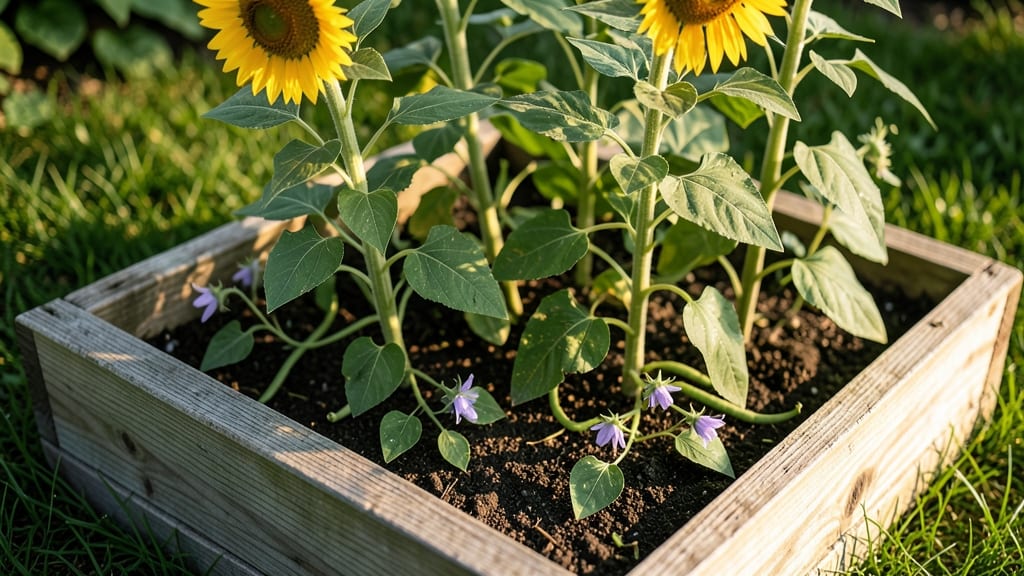
If you’re working with limited space but want to maximize yields, sunflowers and bush beans are the dynamic duo for your garden. Planting sunflowers just a few feet away from your beans creates a natural shade canopy, keeping the soil cooler and moisture levels steady—ideal for beans that prefer moderate temperatures and consistent hydration.
Sunflowers also act as a bee magnet, drawing pollinators that boost the beans’ productivity while their towering stems provide vertical interest. For small spaces, try dwarf sunflower varieties (like ‘Teddy Bear’ or ‘Moulin Rouge’) paired with compact bush beans—this combo thrives in containers or raised beds without sacrificing sunlight.
This pairing is a game-changer for urban gardeners or beginners who want low-maintenance, high-reward crops that work together beautifully. 🌻
Chives and Apples for Tree Pollination
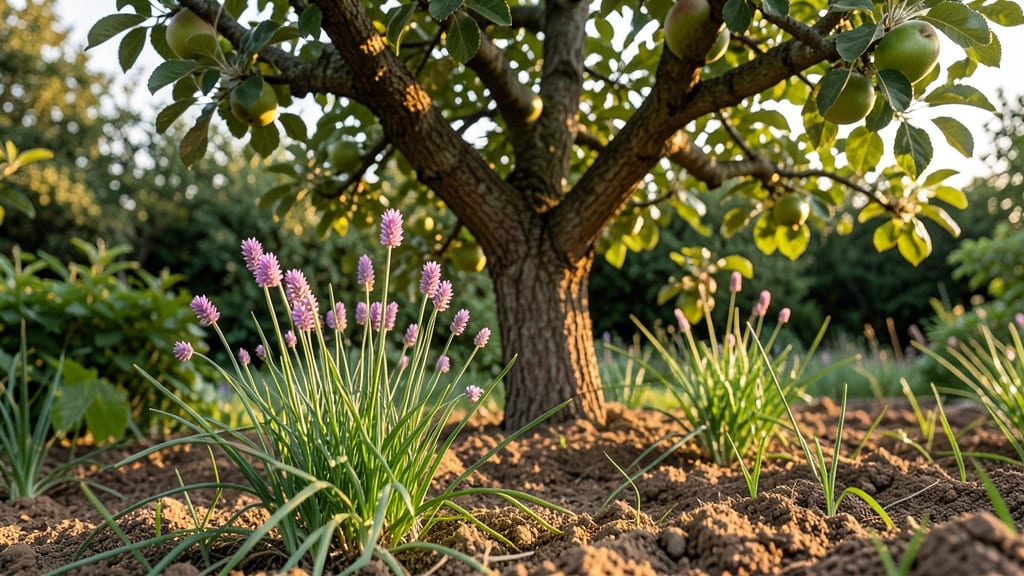
If your apple trees feel like they’re struggling to produce fruit, chives might be the secret weapon you’ve been missing. This hardy herb doesn’t just repel pests like aphids and spider mites—it also lures early-season bees with its delicate purple blooms, giving your trees a head start on pollination.
Plant chives in a 12-inch-wide ring around the base of your apple tree, keeping them well-watered but not soggy. Their mild onion scent deters pests while their flowers provide nectar for bees, which directly improves fruit set. This pairing works especially well in orchard gardens or large yards where space allows for full-grown trees.
For home orchardists or those with backyard apple trees, this low-maintenance combo delivers higher yields with minimal effort—no chemicals or extra work required. 🌟
Calendula and Lettuce for Pest-Free Greens
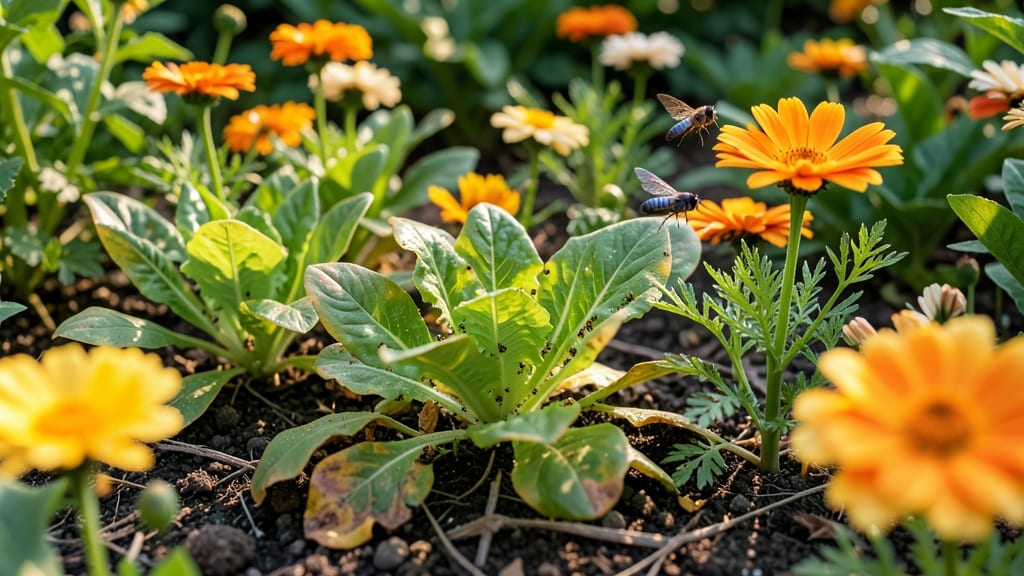
If your garden gets only partial sun and you’re struggling with aphids on your lettuce, try pairing it with calendula. This cheerful annual doesn’t just add color—it acts as a natural pest barrier while inviting helpful hoverflies to pollinate your greens.
Plant calendula around the edges of your lettuce bed, where its bright orange blooms will deter aphids and attract beneficial insects. Both thrive in partial shade, making this combo perfect for shaded patios or north-facing beds. The calendula’s long blooming season (spring to frost) ensures continuous protection and pollination.
Urban gardeners and shade-loving plant parents will love this low-maintenance duo—it’s like having a built-in pest control system without the chemicals. 🌻
Borage and Squash for Soil Enrichment
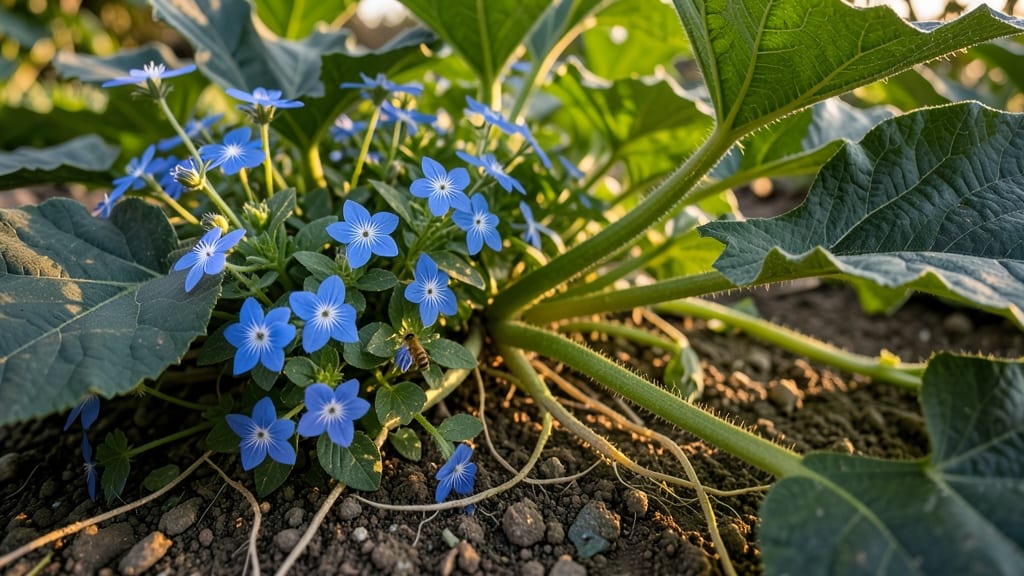
Looking to transform your garden into a self-enriching ecosystem without synthetic fertilizers? Plant borage alongside your summer squash—this dynamic duo improves soil structure while attracting pollinators that boost yields. The star-shaped blue flowers of borage are a magnet for bees, which increase squash fruit set by up to 30%.
Borage’s deep roots break up compacted soil, allowing squash vines to spread more easily. Plus, its cucumber-flavored leaves (edible and safe) add a unique twist to squash dishes. For best results, sow borage seeds directly in the soil 2-3 weeks before transplanting squash seedlings, ensuring they mature together.
This pairing is a game-changer for permaculture gardens or large plots where soil health is a priority. The borage’s self-seeding habit means fewer replanting tasks for you—just enjoy the benefits year after year. 🌻
Catmint and Peppers for Long-Season Pollinators

Urban gardeners with limited space can still grow a thriving pepper harvest by pairing catmint with their peppers. This drought-tolerant perennial blooms from early spring until frost, creating a nonstop buffet for bees and butterflies that pollinate your peppers more effectively than any store-bought spray.
Plant catmint just 12-18 inches from pepper plants to maximize pollinator traffic while keeping the fragrant foliage from shading your peppers. The silver-gray leaves also help deter spider mites, giving you a two-for-one pest solution. With minimal care—just occasional pruning to encourage bushiness—you’ll enjoy year-round blooms that keep pollinators visiting.
This pairing is ideal for balcony gardens, rooftops, or small yards where every inch counts. Your peppers will thank you with bigger yields, and you’ll love the low-maintenance beauty of catmint’s long-lasting flowers. 🌻