
Landscaping
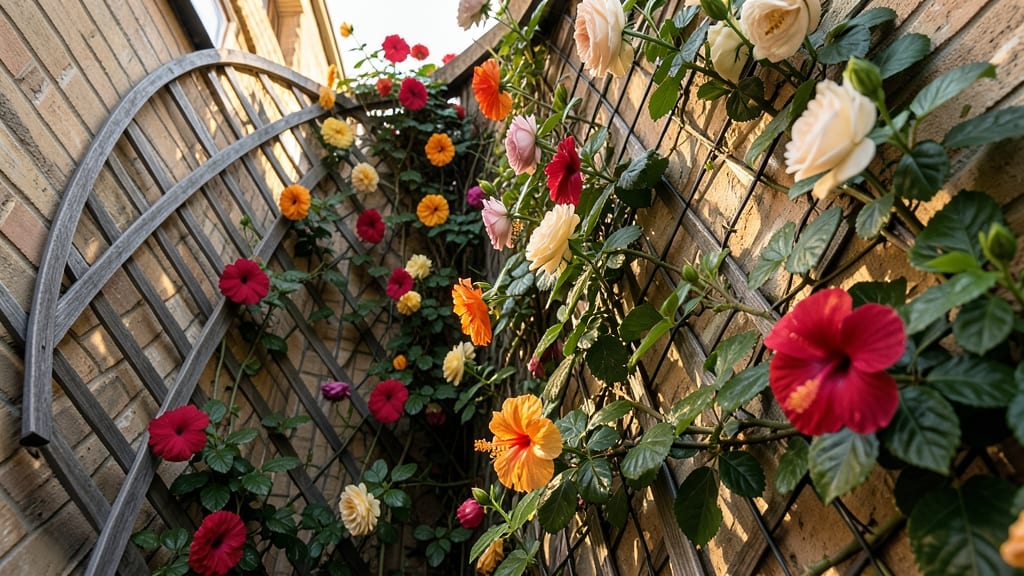
Hibiscus flowers bring tropical drama to any garden with their vibrant blooms and lush foliage. These 10 bold color combinations will ensure your garden stays lively and eye-catching from early summer through fall, with minimal maintenance and maximum impact.
Classic Red Hibiscus with Purple Lavender Beds
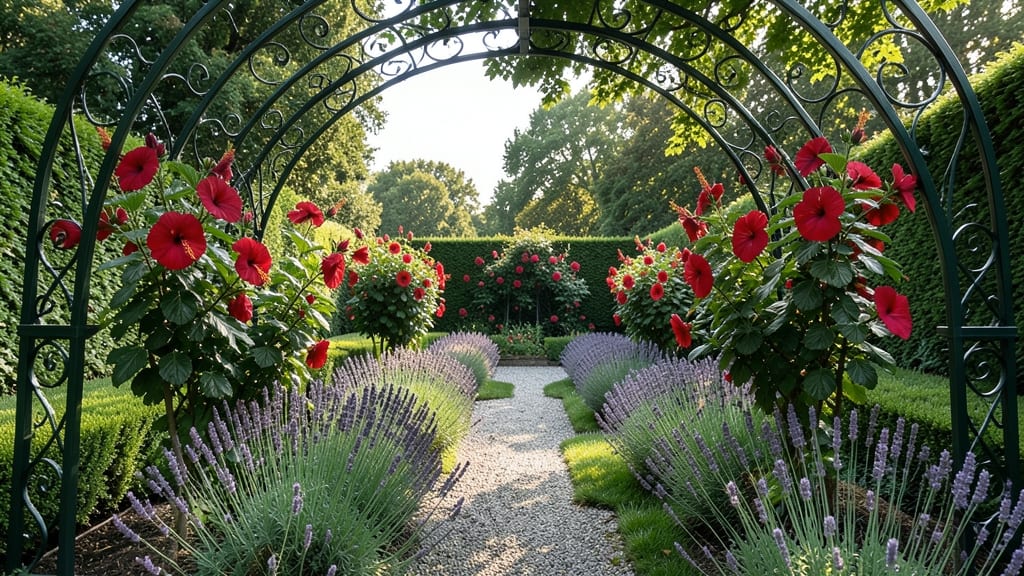
Transform your garden into a regal retreat with classic red hibiscus paired with purple lavender beds—a timeless duo that wows pollinators while exuding old-world romance. This combination thrives in full sun to partial shade, making it perfect for formal gardens, wedding venues, or elegant entryways.
The deep crimson hibiscus blooms provide striking contrast against the soft purple of lavender, creating a pollinator magnet that draws bees, butterflies, and hummingbirds. Plant hibiscus in well-draining soil with regular watering (drought-tolerant once established), while lavender prefers lean, sandy soil and minimal watering to prevent root rot. Prune hibiscus after blooming to encourage bushier growth, and shear lavender lightly in spring.
This pairing is ideal for gardeners who love low-maintenance elegance—perfect for weddings, photoshoots, or simply adding sophistication to your outdoor space. The fragrant lavender also repels pests naturally, keeping your hibiscus thriving. ✨
Pink Hibiscus with Coral Coral Bells
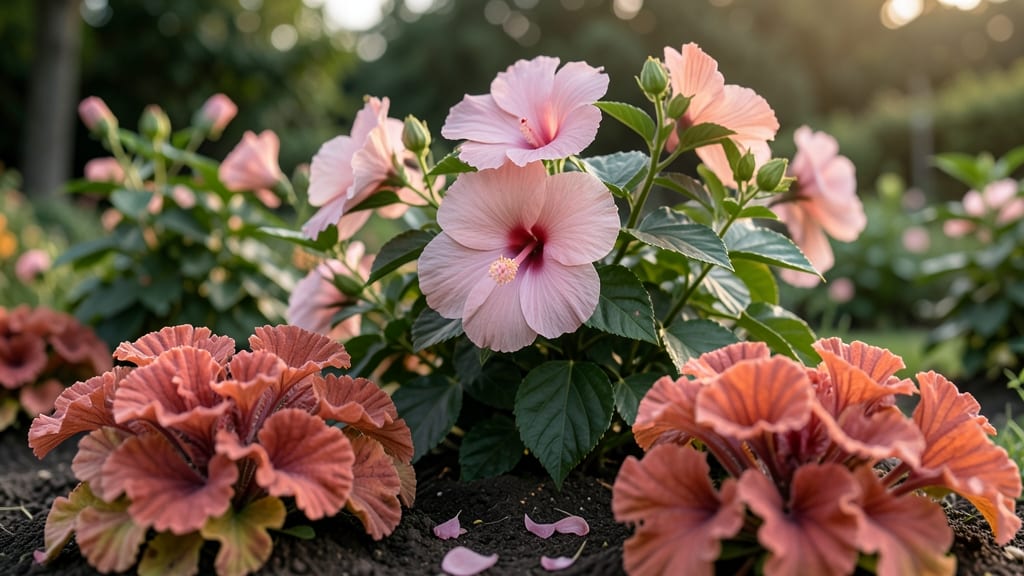
Skip the formal garden vibes—this pink hibiscus and coral coral bells (Heuchera) combo brings soft, romantic charm to cottage-style gardens or front-yard spaces. The velvety pink blooms contrast beautifully with the ruffled coral foliage, creating a textured, layered look that moves gently in the breeze.
Plant pink hibiscus in well-draining soil with 6-8 hours of sun daily, while coral bells thrive in partial shade, making them perfect neighbors. Their contrasting heights—hibiscus towering at 4-6 feet and coral bells staying compact—add depth without overpowering each other. This duo is low-maintenance, drought-tolerant once established, and blooms from summer through fall.
Perfect for homeowners who love a welcoming, whimsical garden that feels alive but never fussy. The soft color palette also works beautifully in entryway landscaping or alongside a rustic fence. 🌷
White Hibiscus with Blue Delphinium Spikes
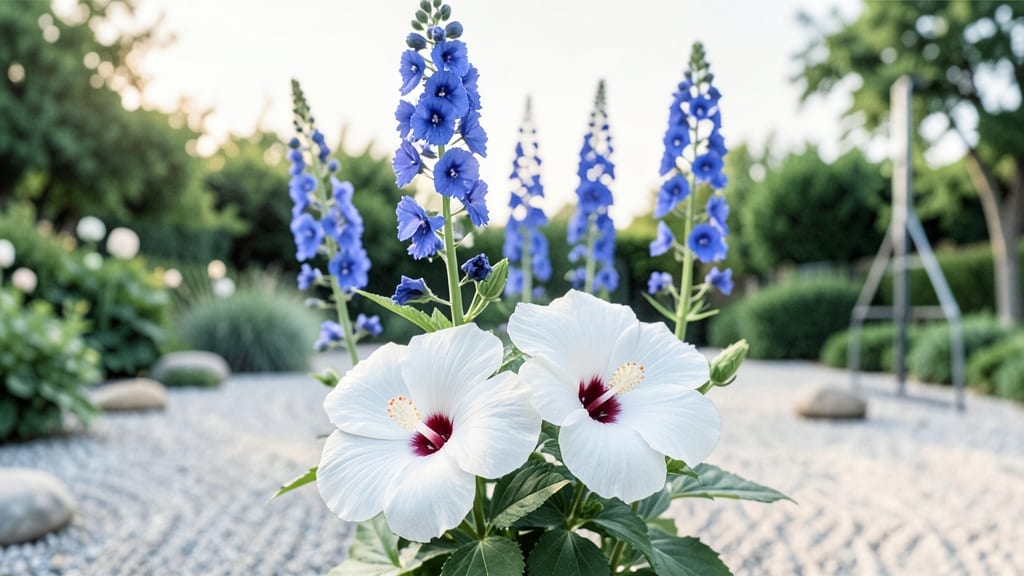
Want a garden that feels like a serene, modern art piece? Pair white hibiscus with blue delphinium for a cool-toned contrast that’s both striking and soothing. This combo thrives in full sun to partial shade, making it versatile for urban gardens or minimalist landscapes.
The tall, airy blooms of delphinium (2-4 feet) create vertical lines that frame the hibiscus’s bold, rounded petals. Plant delphinium in the back and hibiscus slightly forward for layered depth. Both love well-draining soil—just ensure hibiscus gets consistent moisture to keep those blooms popping.
This pairing is perfect for gardeners who love clean lines and subtle drama without overwhelming colors. The result? A dreamy, ethereal look that’s easy to maintain yet feels luxurious. ✨
Orange Hibiscus with Golden Marigolds
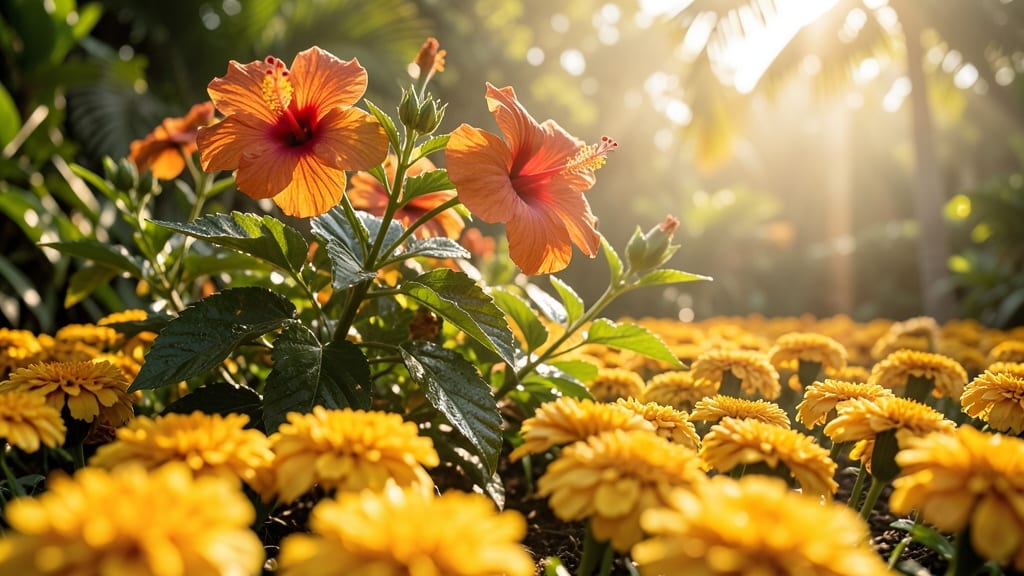
Transform your sunniest spots into a vibrant tropical retreat with orange hibiscus paired with golden marigolds—a dynamic duo that thrives under 6+ hours of direct sun while naturally repelling pests like aphids and whiteflies. This bold combination isn’t just stunning; it’s a functional powerhouse for hot, dry climates or urban balconies where space is limited.
The golden marigolds act as a living pest barrier, their strong scent deterring unwanted insects, while the orange hibiscus delivers continuous blooms from summer through fall with minimal deadheading. Plant them in well-draining soil and water deeply once a week—this pairing handles heat better than most, making it ideal for container gardens or patio planters where you can move them to follow the sun.
Perfect for gardeners who love low-maintenance, high-impact designs, this combo brings instant energy to any space—whether you're creating a tropical-themed oasis or simply brightening up a small urban balcony. 🌻
Deep Purple Hibiscus with Silver foliage Plants
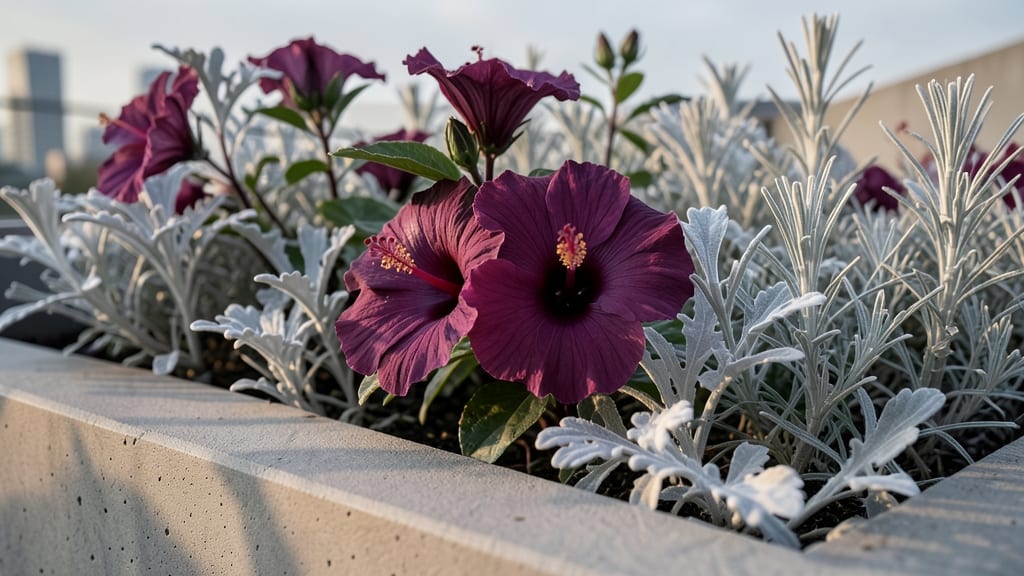
Want a garden that feels like a high-end art installation without the fuss? Pairing deep purple hibiscus with silver foliage plants like Dusty Miller or artemisia creates a monochromatic masterpiece that thrives in modern spaces. This combo works beautifully in urban gardens, rooftop containers, or sleek courtyard designs where bold contrasts make every bloom pop.
The key to this look is mixing textures—velvety hibiscus petals against the fuzzy, frosty silver of foliage plants creates visual depth. Both thrive in full sun to partial shade, making them versatile for patios or small balconies. For extra drama, plant Dusty Miller in front of hibiscus to frame those stunning blooms while keeping maintenance low—silver foliage rarely needs pruning.
This scheme is ideal for city dwellers or minimalist gardeners who love high-impact, low-fuss designs. The dramatic contrast elevates any space, proving you don’t need a rainbow to create a showstopper. ✨
Bicolor Hibiscus with Rainbow Swiss Chard
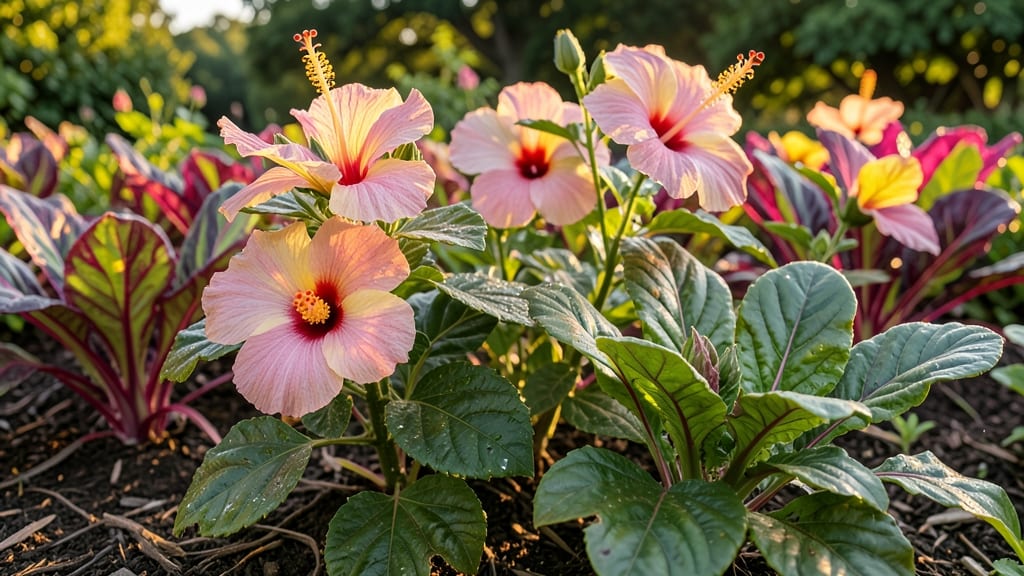
Want a garden that’s as useful as it is beautiful? Pair bicolor hibiscus—with its striking pink-and-yellow blooms—with rainbow Swiss chard, a nutrient-packed edible that adds vibrant streaks of color to your plates and garden beds. This combo thrives in 6–8 hours of sun and works perfectly in containers or small raised beds, making it ideal for urban gardeners or beginners.
The hibiscus provides bold floral drama while the Swiss chard delivers crisp, colorful greens packed with vitamins A, C, and K. Plant them 12–18 inches apart to balance their heights—hibiscus grows 3–5 feet tall, while chard stays closer to the ground. Both love well-draining soil and regular watering, but Swiss chard’s shallow roots make it drought-tolerant once established.
This fusion is perfect for small spaces where you want both beauty and harvests. Plus, the contrast of hibiscus’ tropical blooms against chard’s rainbow stalks creates a visually stunning, edible garden that keeps giving all season. 🌻
Yellow Hibiscus with Green Ginger Lilies
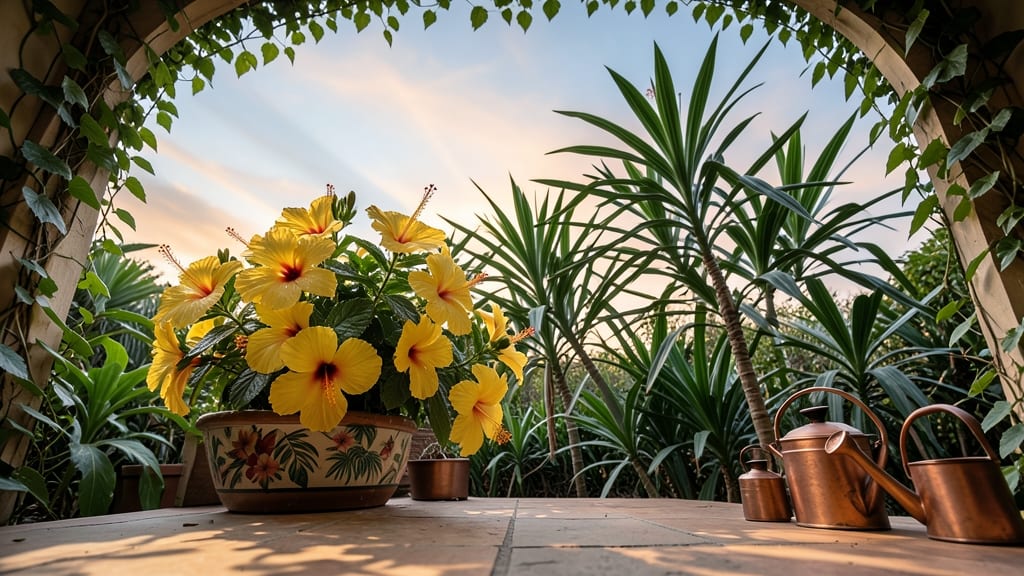
Transform your garden into a tropical paradise without leaving your neighborhood by pairing yellow hibiscus with green ginger lilies. This vibrant duo thrives in humid climates but also adapts beautifully to indoor-outdoor spaces like patios or sunrooms, creating an instant escape.
The bright yellow hibiscus blooms stand out against the lush, broad leaves of ginger lilies, which add exotic texture and a citrusy fragrance. Both plants love morning sun to partial shade and moist, well-draining soil—ideal for containers or garden beds. For extra drama, let the ginger lilies spill over edges or plant them in clusters around the hibiscus.
This combo is perfect for gardeners who love low-maintenance tropical vibes or want to bring a slice of paradise to small spaces. 🌿
Mixed Hibiscus Colors in Terracotta Pots
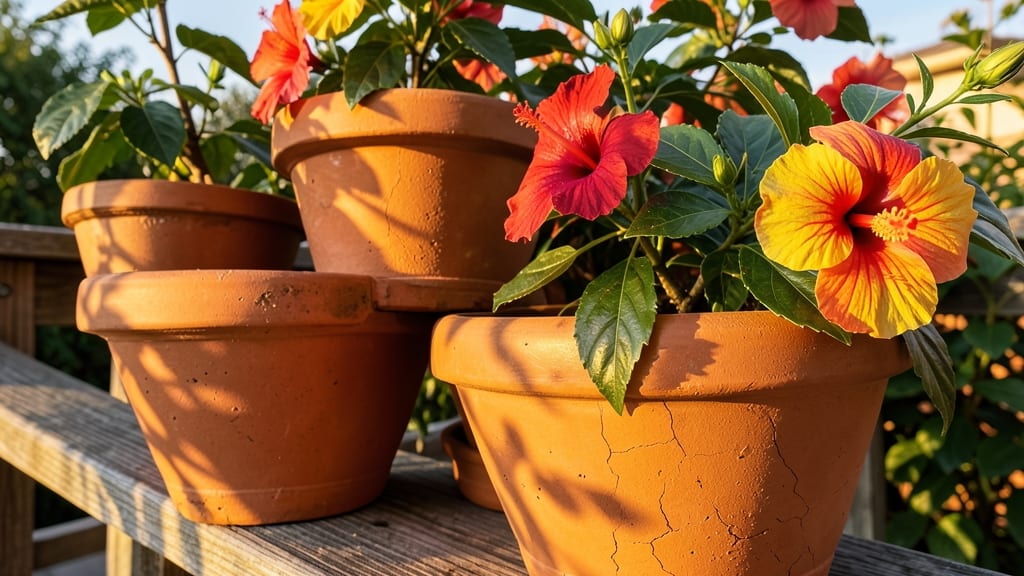
Renters and urban gardeners, rejoice—terracotta pots are your secret weapon for creating a portable hibiscus garden that’s as stunning as it is flexible. Unlike permanent plantings, these classic pots let you rearrange your color palette with the seasons or move your garden to a sunniest spot whenever needed.
Start with 12-16 inch pots for mature hibiscus, placing them in clusters of three for visual harmony. Mix red, pink, and white hibiscus for instant contrast, and use a well-draining potting mix with added perlite to prevent root rot. Group pots on a patio, balcony, or deck where they’ll get 6-8 hours of sun daily, and rotate them weekly for even growth.
This setup is perfect for those with limited space or temporary housing—you’ll get year-round color without the commitment of in-ground planting. Plus, terracotta’s natural warmth helps hibiscus thrive in cooler evenings. 🌻
Hibiscus with Black Mondo Grass Border
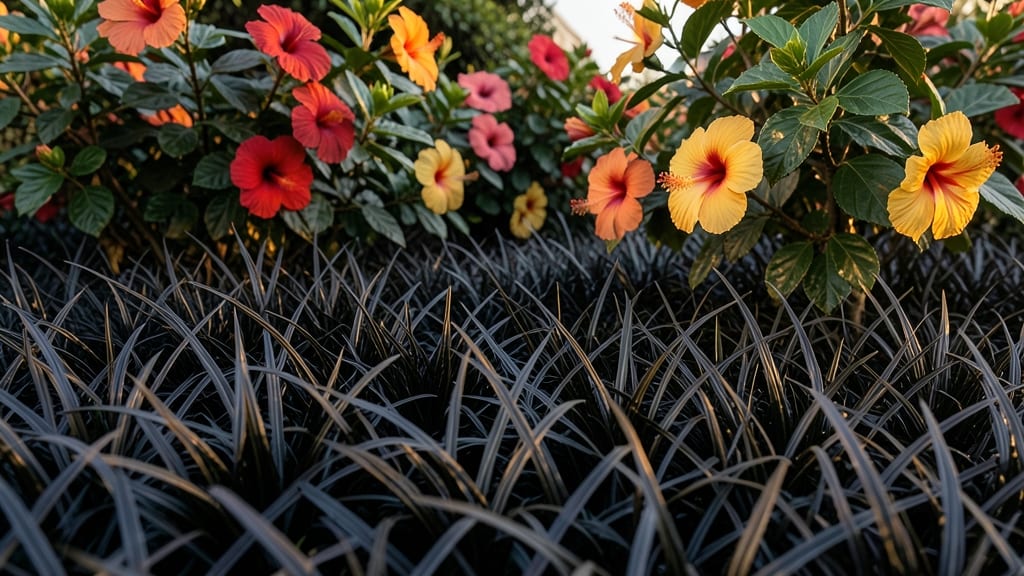
Want a garden that looks like a striking modern art piece? Pairing hibiscus with black mondo grass creates a bold, high-contrast border that makes your blooms stand out like never before. This combo thrives in USDA zones 7-11, where the grass stays dark year-round, while hibiscus bursts with color from summer to fall.
The black mondo grass (Ophiopogon planiscapus) acts as a living frame, its deep purple-black foliage sharpening the vibrancy of hibiscus blooms. Plant the grass in a 2-3 foot wide band around your hibiscus, keeping it trimmed to 4-6 inches tall for maximum impact. This design works best in full sun to partial shade, making it versatile for modern patios or minimalist landscapes.
Perfect for urban gardeners or those with avant-garde tastes, this pairing requires almost no maintenance—just occasional trimming of the grass. The result? A dramatic, low-maintenance focal point that turns heads without overwhelming your space. ✨
Hibiscus Trellis with Climbing Roses

Transform your small balcony or tight yard into a romantic vertical garden with a hibiscus trellis paired with climbing roses. This space-saving duo creates a lush, layered display that draws the eye upward, making even the tiniest spaces feel abundant and intentional.
Plant dwarf hibiscus varieties like 'Little John' or 'Dwarf Red' at the base of a sturdy trellis, training them to climb alongside climbing roses such as 'New Dawn' or 'Blaze.' The hibiscus’s bold blooms will cascade down, while the roses twine upward, creating a year-round show of color and texture. Use a wooden or metal trellis (4-6 feet tall) to support both plants, and prune roses in late winter to encourage vigorous growth.
This combo is ideal for urban gardeners, renters, or anyone with limited ground space—it maximizes beauty without sacrificing square footage. Plus, the fragrant roses add an extra sensory delight! 🌻