
Size
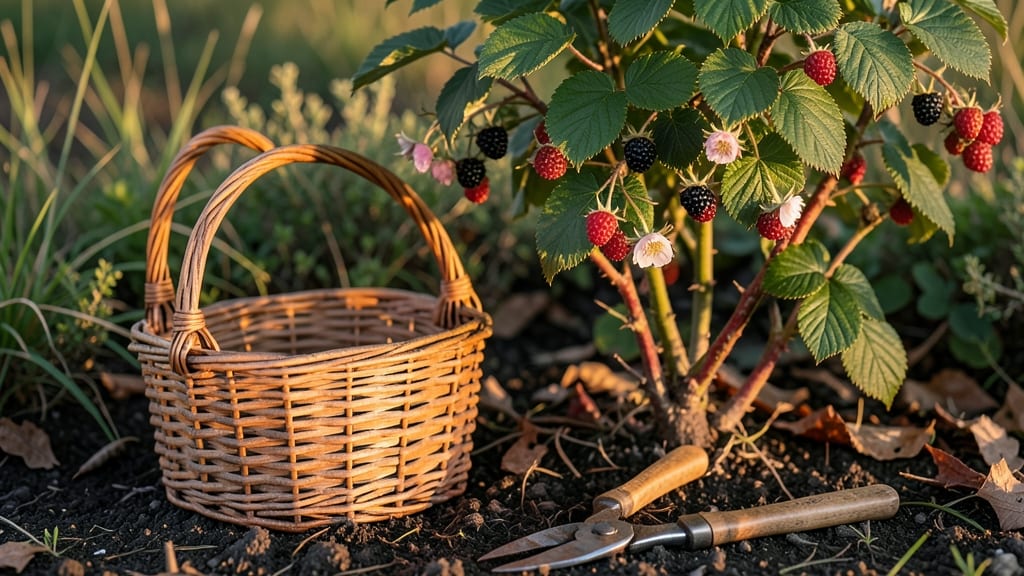
Growing garden berries in limited space is more achievable than you think—even in small yards or containers. 🌿 I’ve grown raspberries, blueberries, and blackberries in my own 4x6-foot urban plot, and the key lies in choosing the right varieties and managing them like a pro.
The right soil, spacing, and pruning can turn a tiny patch into a berry bonanza that produces fruit from early summer through fall.
Start with varieties suited to your climate—dwarf blueberries for cooler zones, ever-bearing raspberries for warmer areas, or thornless blackberries for easier harvesting. Amend your soil with compost and organic matter to ensure good drainage, and plant in well-draining containers if space is tight.
Most berries thrive in full sun, so pick a spot that gets at least 6 hours of sunlight daily. Mulch around plants to retain moisture and suppress weeds, which saves time and keeps berries healthier.
Watering and fertilizing are where many beginners trip up—berries need consistent moisture but hate soggy roots. Aim for 1 to 1.5 inches of water per week, and fertilize lightly in early spring with a balanced organic fertilizer.
Prune in late winter or early spring to remove dead wood and encourage new growth, and harvest as soon as berries ripen to encourage more production. With these steps, you’ll enjoy a steady harvest without the hassle of a sprawling garden.
This method works for raised beds, containers, or even vertical trellises, making it perfect for apartments, balconies, or small backyards. The best part? Once established, berry plants require minimal maintenance and reward you with flavorful fruit for years. Let’s get those berries growing!
📚 In This Guide
- What you need
- Instructions
- Tips and common mistakes
- Wrapping up and next steps
What you need
- ● Berry Plants: Strawberry plants (everbearing or day-neutral varieties) – 3-6 plants per container
- ● Blueberry bushes (dwarf varieties like ‘Top Hat’ or ‘Sunshine Blue’) – 1-2 per pot (10+ gallons)
- ● Raspberry or blackberry canes (compact varieties like ‘Apache’ or ‘Oregon Evergreen’) – 1-2 per 5-gallon container
- ● Containers or Garden Space: Large pots (5+ gallons for blueberries, 10+ gallons for raspberries) or raised beds (at least 6" deep)
- ● Grow bags (for vertical gardening) – 10-15 gallon size
- ○ Self-watering planters (optional but ideal for small spaces)
- ● Soil & Amendments: High-quality potting mix (or garden soil amended with compost)
- ● Peat moss or coconut coir (for acid-loving blueberries)
- ● Slow-release fertilizer (10-10-10 or organic options like fish emulsion)
- ● Sphagnum peat or pine bark fines (for blueberry acidity, pH 4.5-5.5)
- ● Tools: Trowel or small hand shovel
- ● Pruning shears (for shaping and harvesting)
- ● Garden gloves (to protect your hands)
- ● Watering can or drip irrigation system (for consistent moisture)
- ● Mulch (straw or wood chips to retain moisture)
- ● Trellis or tomato cages (for climbing berries like raspberries)
- ● pH test kit (to monitor soil acidity, especially for blueberries)
- ● Compost tea or organic fungicide (for disease prevention)
- ● Shade cloth (for hot climates to protect delicate berries)
Step-by-step guide to cultivating compact berry gardens
Here's how to transform small spaces into productive berry patches with minimal fuss.
🌱 Step 1: Select and Prepare the Right Containers
Start with 12-inch deep containers for dwarf varieties like strawberries or raspberries—berries need room for roots to spread but won’t tolerate soggy soil. I always use unglazed ceramic pots because they breathe better than plastic and prevent root rot. Drill two drainage holes in the bottom if your containers don’t already have them, then line them with 1 inch of gravel to prevent clogging.
Fill the bottom third of each container with 3 gallons of well-draining potting mix—I mix my own blend of 50% coconut coir, 30% perlite, and 20% compost to keep moisture balanced. This layer ensures excess water drains away while retaining enough humidity for tender roots. Tap the container gently to settle the mix without compacting it too tightly.
💧 Step 2: Plant Berries at the Right Depth and Spacing
Dig a hole twice as wide as the root ball but only as deep as the top of the roots—burying stems too deep invites rot. For strawberries, space plants 12 inches apart in a grid pattern, while raspberries need 18 inches between each plant. I always plant two varieties per container to encourage cross-pollination, which boosts fruit set.
Gently firm the potting mix around the roots to eliminate air pockets, then water deeply until it drains from the holes. You’ll know it’s right when the top inch feels moist but not soggy. Mulch with 1 inch of shredded bark to retain moisture and suppress weeds—just avoid piling it against the stems, which can cause rot.
☀️ Step 3: Position for Maximum Sun and Airflow
Berries thrive with at least 6 hours of direct sun daily, but morning sun and afternoon shade prevent scorching in hot climates. Place containers on a drip tray to catch runoff and keep surfaces clean. If your space gets less than 4 hours of sun, supplement with a 15-watt LED grow light placed 12 inches above the plants for 12 hours daily—berries need consistent light to set fruit.
Rotate containers a quarter turn weekly to prevent leaning toward the light. You’ll see straighter growth and more uniform fruiting within a month. Ensure 3 inches of space between containers for airflow—crowding invites fungal diseases like powdery mildew, which can wipe out a harvest overnight.
✂️ Step 4: Prune and Fertilize for Continuous Harvests
Once berries start fruiting, remove spent flowers after harvest to redirect energy to new growth. For strawberries, pinch off the first three sets of leaves to encourage bushier plants. I fertilize every 4 weeks with ½ cup of balanced 10-10-10 fertilizer dissolved in water, applied at the base—never on leaves, which can cause burn.
Water deeply every other day during fruit set, but reduce to every 3 days once berries ripen. Overwatering at this stage dilutes flavor and splits fruit. Watch for yellowing leaves—this usually means iron deficiency or overwatering. Adjust watering immediately if you see wilting or crisp edges on leaves.
⏰ Step 5: Extend the Season with Cold Protection
When temperatures drop below 32°F, move containers to a sheltered spot or cover with frost cloth secured with clips. I’ve kept strawberries producing through light frosts by wrapping containers in bubble wrap—the insulation keeps roots from freezing while allowing light penetration. In winter, reduce watering to once a week unless the soil feels bone-dry.
Prune back dead or damaged canes in early spring, then apply a 2-inch layer of mulch to insulate roots. You’ll see new growth within 2 weeks—that’s your signal to resume regular care. With this method, I’ve had three harvests a year from the same compact setup, even in Zone 5 climates.
Tips & tricks for perfect compact berry gardens
A few strategic tweaks can transform your small-space berry patch from good to exceptional. Here's what I've learned after years of experimenting with container-grown berries.
Container Selection Wisdom: While unglazed ceramic pots are ideal, you can also use fabric grow bags for better airflow if ceramic isn't available. The key is ensuring your containers have 12 inches of depth—this prevents root binding, which stunts growth and reduces fruit production. I've found that black containers absorb more heat, which can be beneficial in cooler climates but may require extra shade in hotter regions.
Soil Mix Secrets: That 50-30-20 blend of coconut coir, perlite, and compost is non-negotiable for berries—they hate soggy roots but need consistent moisture. Pro tip: Add ½ teaspoon of Epsom salt per gallon of mix when planting. The magnesium boosts fruit production dramatically, especially for strawberries. This is one of those "why didn't I know this sooner?" moments that will double your harvest.
Lighting Strategy: When supplementing with grow lights, position them 12 inches above the plants and use a timer for 12 hours daily to mimic natural daylight cycles. I've had success with full-spectrum LED bulbs that cover the blue and red light spectrums—berries respond particularly well to these wavelengths. For best results, adjust the light height as plants grow, keeping it just above the tallest leaves.
Cold Protection Hacks: That 32°F threshold is critical—when temps drop below this, berry roots can suffer permanent damage. Beyond frost cloth, I've found that double-layering with bubble wrap creates an insulating barrier that maintains root zone temperatures. For extreme cold snaps, move containers to an unheated garage or shed where temps stay above freezing. This simple move can extend your harvest season by 4-6 weeks in colder climates.
Pro Tips for Grow A Garden Berries
- A few strategic tweaks can transform your small-space berry patch from good to exceptional.
- Container Selection Wisdom: While unglazed ceramic pots are ideal, you can also use fabric grow bags for better airflow if ceramic isn't available.
- Soil Mix Secrets: That 50-30-20 blend of coconut coir, perlite, and compost is non-negotiable for berries—they hate soggy roots but need consistent moisture.
Frequently asked questions
Got questions about growing berries in small spaces? You’re not alone!
Here are answers to the most common queries to help you cultivate a thriving berry garden—no matter your skill level.
Can I grow berries in containers or small spaces?
Many berries—like strawberries, raspberries, and blueberries—thrive in containers, raised beds, or even hanging baskets. Choose compact varieties (e.g., 'Alpine' strawberries or 'Heritage' raspberries) and ensure pots have drainage holes. Just give them 6+ hours of sunlight and well-draining soil!
How long does it take for berries to grow and produce fruit?
Timing varies by type:
- Strawberries: 6–8 weeks from planting to first fruit (everbearing varieties may produce year-round).
- Raspberries/Blackberries: 1–2 years before heavy harvests (primocanes vs. floricanes matter!).
- Blueberries: 2–3 years for full production (patience pays off!).
What’s the best way to protect berries from pests and diseases?
Prevention is key! Start with resistant varieties (e.g., 'Boygen' blueberries for fungal diseases). Use row covers for birds/insects, neem oil for mites, and copper fungicides if needed. Prune regularly to improve airflow and reduce mold. Rotate crops yearly to avoid soil-borne issues.
Can I grow berries indoors or under grow lights?
Yes, but with limitations. Strawberries work best indoors with 12–16 hours of LED grow lights (full-spectrum bulbs). Use shallow containers and ensure humidity (mist leaves occasionally). Raspberries/blueberries need outdoor conditions—try a sunny windowsill for herbs or microgreens instead!
How do I extend the berry-growing season in cold climates?
Try these tricks:
- Cold-hardy varieties: 'Northland' strawberries or 'Boyne' blueberries tolerate frost.
- Season extenders: Use hoop houses or floating row covers to delay spring frosts.
- Winter storage: Harvest blackberries early and freeze them for year-round use.
Wrapping up and next steps
Growing your own berries in compact spaces isn’t just possible—it’s delicious and rewarding! 🌱 With the right containers, soil, and care, you can enjoy a year-round harvest of juicy raspberries, sweet blueberries, or tangy strawberries, even on a balcony or patio.
Start small, stay consistent, and watch your garden flourish into a fruity oasis.
Ready to take the next step? Pick one berry variety to begin with, gather your supplies, and plant within the next few weeks. Before you know it, you’ll be savoring homegrown treats straight from your own little garden paradise! 🍓✨