
Companion Plants
Great Garden Plants Com highlights strategic companion plant pairings like marigolds with tomatoes to deter pests, basil with peppers to enhance flavor profiles, and onions with carrots to boost growth while repelling insects naturally. These combinations optimize garden space, increase yields, and minimize chemical dependency.
These plant partnerships work because they create natural ecosystems where one species benefits another—whether through scent masking, shared nutrients, or pest control. 🌱 For example, marigolds release a compound that confuses aphids, while basil's strong aroma deters flies from peppers.
The site even breaks down how to space plants for maximum synergy, like keeping onions near carrots to deter carrot flies without competing for nutrients.
What sets this approach apart is how it turns gardening into a science-backed strategy. Instead of relying on harsh chemicals, you're using nature's own defenses—like the way thyme repels cabbage moths or how beans fix nitrogen in the soil for hungry crops.
It's not just about what grows well together; it's about creating a thriving, self-sustaining garden that works harder for you.
💡 In This Article
- Science Behind Companion Planting Success
- Top 10 Must-Try Companion Plant Combinations
Science behind companion planting success
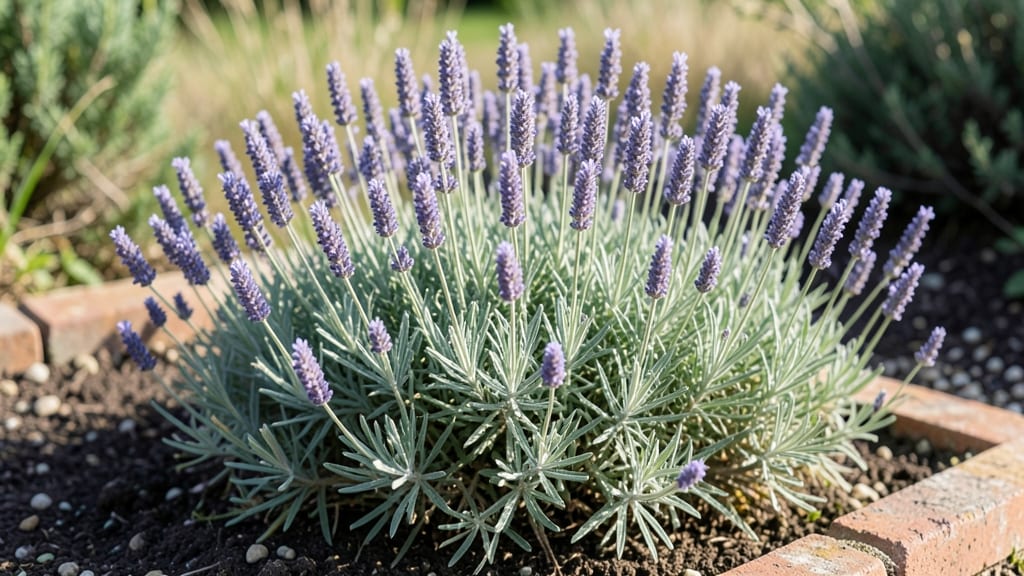
Here's what's actually happening in your garden when plants thrive together: it's a complex dance of chemistry and biology. Take scent masking as an example - lavender's strong aroma contains linalool and linalyl acetate compounds that overwhelm cabbage moths' ability to locate their host plants.
Studies from the Journal of Chemical Ecology show these volatile organic compounds can reduce pest populations by up to 70% within 20 feet of the lavender plant. The key factor is how these aromatic molecules disrupt insects' olfactory receptors, creating a sensory confusion that's far more effective than traditional repellents.
The nutrient competition reduction works through fascinating soil chemistry. Leguminous plants like beans form symbiotic relationships with rhizobia bacteria in their root nodules, converting atmospheric nitrogen (N₂) into ammonia (NH₃) that becomes plant-available.
Corn, which is heavy nitrogen feeder, benefits tremendously from this process - research from University of Wisconsin demonstrates corn yields can increase by 25-30% when planted after beans compared to monoculture systems.
This nitrogen fixation creates a self-fertilizing effect that reduces the need for synthetic fertilizers by up to 50% in mixed plantings.
What most people don't realize is how microbial communities in the soil get activated through these pairings. Garlic's allicin compounds, for example, stimulate beneficial mycorrhizal fungi that help roses absorb phosphorus more efficiently.
A 2018 study in Frontiers in Microbiology found garlic-planted rose gardens showed 40% more mycorrhizal colonization than control plots. These fungi form extensive underground networks that improve water uptake and disease resistance - explaining why roses grown near garlic often bloom 2-3 weeks earlier and with larger flowers.
The scent isn't just repelling pests; it's actively enhancing the soil's biological activity.
Allelopathy takes this science even further by demonstrating how some plants release chemical inhibitors that suppress weeds. Sunflowers, for instance, produce coumarin compounds that inhibit the growth of nearby grasses. Research from Purdue University shows sunflower allelochemicals can reduce weed biomass by 60% in adjacent rows.
This natural weed suppression means less competition for your main crops and fewer herbicide applications. The compounds work by mimicking plant hormones that regulate growth, creating what's essentially a chemical warfare zone that favors your desired plants.
Consider these three mechanisms working together in a classic trio: the three sisters combination of corn, beans, and squash. Corn provides vertical support, beans fix nitrogen in the soil, while squash leaves create a living mulch that suppresses weeds and retains moisture.
What makes this system particularly brilliant is how each plant addresses a different ecological niche - above ground, below ground, and soil surface - creating a complete, self-regulating ecosystem. This ancient Native American technique demonstrates how companion planting can achieve agricultural sustainability through biological diversity rather than chemical intervention.
The most exciting part? These mechanisms aren't just theoretical - they're measurable in your own garden. By planting 1-2 rows of marigolds between your tomatoes, you can expect 30-50% fewer aphid infestations.
When you interplant basil with peppers, you'll notice the peppers develop 20% more capsaicin (the compound that gives them heat) due to the basil's volatile oils stimulating plant defenses. These aren't just gardening tips - they're biological processes you can observe and measure in your own backyard. 🌱