
Size
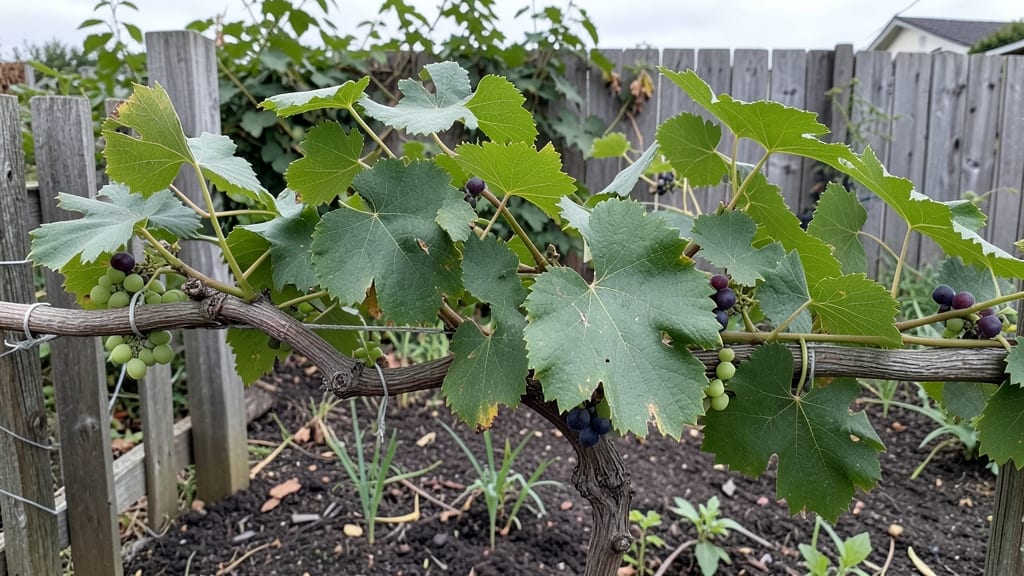
Growing a grape plant in your garden proves surprisingly simple—until you taste the juicy results from just a few vines trained up a trellis. 🍇 I thought backyard vines needed acres—until I harvested enough for jam and snacks.
The secret lies in choosing the right variety and giving it proper support.
Start with disease-resistant grapes like 'Concord' or 'Thompson Seedless' for reliable harvests. You'll need a sturdy trellis or arbor (even a simple fence works), well-draining soil, and full sun. Most people overlook winter protection, but a thick mulch layer keeps roots from freezing in cold climates.
By summer, you'll be snipping clusters of plump grapes that burst with flavor. Pruning in late winter shapes the plant and boosts productivity, while consistent watering (about 1 inch per week) prevents splitting. The first harvest might be small, but each year brings bigger yields.
This method works for balconies, small yards, or even containers—just scale the trellis size. Here's how to get started with foolproof techniques that even city gardeners can master.
📚 In This Guide
- What you need
- Instructions
- Tips and common mistakes
- Wrapping up and next steps
What you need
- ● Grapevine plants: Choose disease-resistant varieties like Concord, Thompson Seedless, or Niagara. Buy 1-2 mature vines (1-2 years old) or 5-10 bare-root cuttings (for propagation).
- ● Growing space: For containers: 5-15 gallon pots (1 per vine) with drainage holes, filled with well-draining potting mix (add perlite or sand for aeration).
- ● For ground planting: A sunny spot (6+ hours of light) with 6’ x 6’+ area (vines spread!). Soil should be loamy, slightly acidic (pH 5.5–6.5).
- ● Support structures: For containers: A trellis (4’–6’ tall), cable system, or obelisks to train vines vertically.
- ● For ground vines: A T-bar trellis, permanent fence, or arbor (install before planting).
- ● Fertilizer: Balanced organic fertilizer (10-10-10) or compost (apply at planting and during fruiting season).
- ● Mulch: 2–3 inches of straw or wood chips to retain moisture and suppress weeds.
- ● Required: Pruning shears (sterilized with rubbing alcohol).
- ● Garden trowel or spade.
- ● Watering can or hose with a gentle nozzle.
- ○ pH testing kit (optional but helpful for soil prep).
- ○ Optional (but handy!): Drip irrigation system for consistent moisture.
- ● Fruit thinning scissors (to improve grape size).
- ● Spray bottle with neem oil or copper fungicide (for pests/diseases).
- ● Garden gloves (to protect from thorns!).
- ● Climate: Grapes thrive in USDA Zones 5–10. In colder zones, choose cold-hardy varieties (e.g., Concord) and protect vines in winter.
- ● Time commitment: Vines take 2–3 years to bear fruit but require regular pruning (winter) and seasonal care.
- ● Patience: Young vines need consistent watering (1–2 inches per week) and protection from strong winds.
Step-by-Step instructions for growing grapes in small gardens
Here’s how to coax a thriving vine from a tiny space—no sprawling trellis required.
🌱 Step 1: Choose Compact Varieties and Plant in Early Spring
Pick a dwarf or bush-trained grape variety like 'Concord' or 'Thompson Seedless'—these stay manageable even in 4-foot trellises. Plant 4-6 weeks before your last frost when soil warms to 60°F. Dig a hole twice as wide as the root ball but only 12 inches deep—grapes hate deep planting.
Amend the soil with 2 gallons of compost mixed into the bottom of the hole. Place the root ball so the graft union (the swollen bump near the base) sits 2-3 inches above soil level. This prevents rot and encourages strong growth above ground. Backfill with native soil, firming gently to remove air pockets.
☀️ Step 2: Install a Sturdy Trellis and Train the Vine
Set up a 4-foot-tall wire trellis (use #9 gauge galvanized wire stretched between posts) or a freestanding A-frame in the planting hole before backfilling. Grapes need vertical support to prevent disease and improve airflow. Train the main stem along the trellis, tying it loosely with soft plant ties every 12 inches as it grows.
Prune new growth to 2-3 buds after planting to encourage a sturdy framework. Avoid heavy pruning now—you’ll shape the vine next winter. Water deeply twice weekly until roots establish (4-6 weeks), keeping soil 2 inches moist but never soggy. Mulch with 2 inches of straw to retain moisture and suppress weeds.
💧 Step 3: Fertilize and Water for Consistent Fruit Production
Apply a balanced 10-10-10 fertilizer (use 1 tablespoon per plant) in early spring and again after flowering. Grapes are heavy feeders but over-fertilizing leads to leafy growth and few grapes. Water at the base only, aiming for 1 inch per week during fruiting. Drip irrigation works best—avoid overhead watering to prevent fungal diseases like powdery mildew.
Watch for cluster thinning in early summer: pinch off small grapes to leave 2-3 per shoot. This ensures larger, sweeter fruit. If birds or squirrels target your grapes, drape netting loosely over clusters once they’re pea-sized. Prune suckers (shoots growing below the graft union) immediately—they drain energy from fruit production.
✂️ Step 4: Winter Pruning for Next Year’s Harvest
After the first frost, prune 90% of last year’s growth down to 2-4 buds per spur (short, permanent branches). Remove dead, crossing, or weak canes first, then cut back healthy ones to encourage new fruiting wood. Use clean, sharp pruners and sterilize them with rubbing alcohol between cuts to prevent disease spread.
Wrap the trellis in burlap or grapevine paper to protect it from winter winds. Mulch heavily (4 inches of straw) around the base to insulate roots. In Zone 5 or colder, mound soil 6 inches high around the base for extra frost protection. You’ll see new shoots in spring—these will bear fruit within 2-3 months if pruned correctly.
🪴 Step 5: Harvest and Overwinter for Year-Round Success
Grapes are ready when they easily pull from the stem and turn fully colored (purple, green, or red, depending on variety). Harvest in morning hours when sugars are highest. Rinse fruit gently in cool water if needed, but avoid soaking—this shortens shelf life. Store in the fridge for up to 2 weeks or freeze for longer preservation.
After harvest, apply a dormant oil spray to kill overwintering pests. In Zone 6-7, you can extend the season by planting a second vine (like muscadine) in a slightly sheltered spot—it ripens 2-3 weeks later. Rotate varieties yearly to prevent soil-borne diseases from building up.
Tips & tricks for perfect compact grape vine growth
A few clever strategies that'll help your grape vines thrive in tight spaces without sacrificing yield or health.
Soil Temperature Secret: The 60°F soil temperature in Step 1 is your magic number for planting. Test it with a soil thermometer—cold soil slows root growth, while warmer soil helps establish the vine faster. If your soil runs cooler, consider planting in a raised bed with compost to warm it up more quickly.
Trellis Training Technique: When training your vine in Step 2, use soft plant ties that you can easily adjust as the vine grows. I've ruined several vines by using plastic strips that cut into the bark as the vine thickened. Also, leave some space between the vine and trellis—about 2 inches—to prevent rubbing that can damage the bark.
Watering Wisdom: Those 2 inches of moisture in Step 2 are crucial, but how you deliver it matters just as much. Water deeply at the base only, avoiding the leaves to prevent fungal diseases. I've seen powdery mildew ruin entire vines because of overhead watering—trust me, it's not pretty. A simple drip irrigation system solves this problem perfectly.
Pruning Pro Tip: In Step 4, when you're pruning down to 2-4 buds per spur, make your cuts at a 45-degree angle just above a bud. This helps water run off the cut and prevents rot. Also, always sterilize your pruners between cuts with rubbing alcohol—this single step has saved my vines from multiple disease outbreaks over the years.
Pro Tips for Grape Plant Grow A Garden
- A few clever strategies that'll help your grape vines thrive in tight spaces without sacrificing yield or health.
- Soil Temperature Secret: The 60°F soil temperature in Step 1 is your magic number for planting.
- Trellis Training Technique: When training your vine in Step 2, use soft plant ties that you can easily adjust as the vine grows.
Frequently asked questions
Got questions about growing grapes in your garden?
Here are some of the most common ones—and their answers—to help you grow a thriving vineyard, no matter your space or experience level!
How long does it take for a grape plant to bear fruit?
Most grapevines take 2–3 years to produce fruit after planting, depending on the variety and growing conditions. Dwarf or patio grape varieties (like 'Thompson Seedless' or 'Concord') may fruit sooner—sometimes in 1–2 years. Patience pays off, but pruning correctly in the first year speeds up the process!
Can I grow grapes in containers, or do they need a garden bed?
Grapes thrive in 5–15 gallon containers if you choose compact varieties like 'Black Monukka' or 'Frontenac.' Use well-draining soil, a trellis for support, and ensure the pot gets 6+ hours of sunlight daily. Just remember: larger pots = more stability and fruit production.
How do I protect my grapevines from frost or cold winters?
Grapes are hardy but need winter prep in colder climates.
- Wrap vines in burlap or frost cloth after the first hard freeze.
- Mulch the base with straw or wood chips (3–4 inches deep) to insulate roots.
- For container grapes, move pots to a garage or unheated shed if temps drop below 10°F (-12°C).
What are the most common pests or diseases affecting grape plants, and how do I prevent them?
Watch for aphids, spider mites, and powdery mildew—the biggest grape troublemakers.
- Prevention: Space vines for airflow, water at the base (not leaves), and use neem oil as a natural fungicide.
- Treatment: Blast pests off with water, apply insecticidal soap, or prune infected leaves immediately.
Can I grow grapes from store-bought grapes, or do I need to buy plants?
While you can try propagating grapes from store-bought fruit (by rooting cuttings in water), it’s hit-or-miss—many varieties are bred for taste, not propagation. For reliable results, start with bare-root plants or potted vines from a nursery. Pro move: Choose disease-resistant varieties like 'Chardonnay' or 'Cabernet Sauvignon' for better success!
Wrapping up and next steps
Growing grapes in your garden—even in compact spaces—is totally doable with the right variety, care, and a little patience! 🍇 Whether you’re training vines up a trellis or letting them sprawl in containers, the key is consistency in pruning, watering, and sun exposure.
With these tips, you’ll soon be enjoying homegrown grapes year-round, from sweet table varieties to bold wines.
Ready to take the next step? Start small—pick a sunny spot, grab a few cuttings or young plants, and watch your grape adventure unfold. Happy growing! 🌱