
Vegetables
The Gardens of Marrakech offer breathtaking escapes where Moroccan architecture harmonizes with vibrant flora, from fragrant orange groves to geometric fountains and rare botanicals like bougainvillea. Standout destinations include Majorelle, Menara, and El Badi, each showcasing unique cultural and horticultural wonders within the city's lively medina.
The Gardens of Marrakech aren't just botanical wonders—they're living museums where history and nature intertwine. 🌿 At Majorelle, for example, the cobalt-blue walls contrast strikingly with the lush greenery, while Menara's expansive lawns stretch toward the Atlas Mountains.
These spaces weren't just designed for beauty; they were created to demonstrate how Moroccan gardeners could flourish in arid conditions using water-efficient techniques like sunken pathways and reflective pools. Even the plant selection tells a story—many species, like the hardy pomegranate trees, have been cultivated here for centuries.
What makes these gardens especially magical is how they preserve traditional techniques while feeling fresh and inviting. The scent of night-blooming jasmine and the sight of intricate tile mosaics create an immersive experience that feels both timeless and vibrant.
Whether you're admiring the cascading fountains at Majorelle or exploring the quiet corners of El Badi, each garden offers a different facet of Morocco's rich cultural heritage. The real secret? They remind you that even in the heart of a bustling city, nature can feel like an endless retreat.
💡 In This Article
- Moroccan Garden Design Principles in Marrakech’s Oases
- Visiting Marrakech’s Gardens: Practical Tips and Hidden Gems
Moroccan garden design principles in Marrakech’s oases
Moroccan gardens like those in Marrakech follow a design philosophy deeply rooted in Islamic geometry and Berber traditions, creating spaces that are both functional and spiritually uplifting.
The classic riad layout features a central courtyard surrounded by living quarters, with water channels (qanats) that distribute moisture efficiently—a critical adaptation for the arid climate.
These channels don’t just carry water; they create microclimates by increasing humidity through evaporation, allowing plants to thrive in temperatures that often exceed 104°F during summer.
The symmetry in these gardens isn’t just aesthetic—it reflects Islamic principles of balance and infinity, often achieved through repeating geometric patterns in tilework and fountain designs.
At Majorelle Garden, for instance, the 12-sided fountain at the center mirrors the mathematical precision of Islamic art, while the reflective pools amplify the visual impact by creating the illusion of endless pathways.
This design isn’t accidental; it’s a deliberate response to the desert’s harsh conditions, where water conservation and temperature regulation take priority over sheer size.
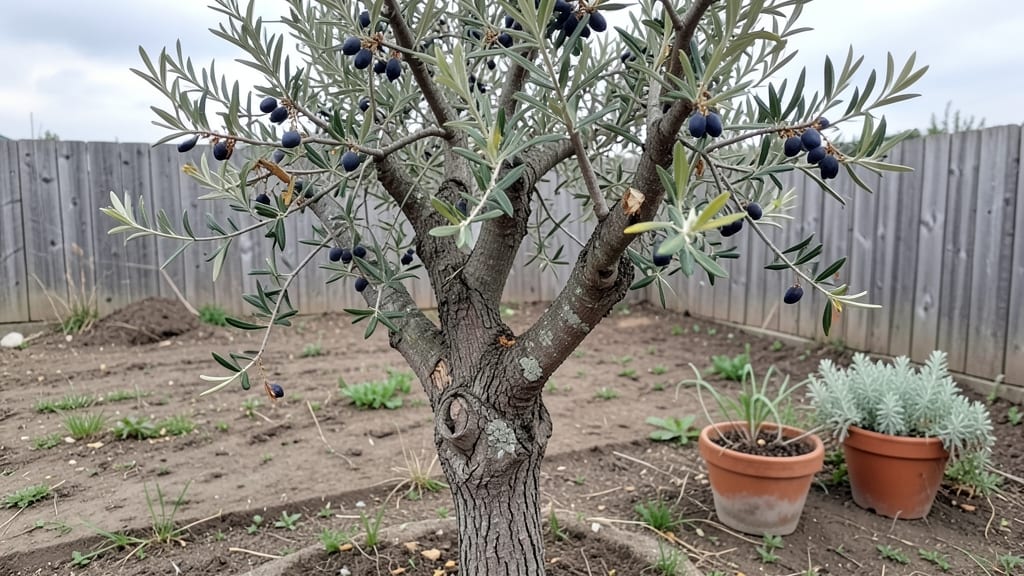
Plant selection in these gardens is a masterclass in climate adaptation. Species like olive trees, pomegranates, and bougainvillea are chosen for their drought tolerance and ability to thrive in rocky, nutrient-poor soil.
The olive tree, for example, can survive with as little as 10 inches of rainfall per year, while its deep roots help prevent erosion—a practical solution in a region prone to flash floods.
Even the fragrant jasmine and roses are selected for their ability to bloom at night when temperatures drop, releasing their scent to cool the air naturally.
Scent plays a crucial role in these gardens, serving both practical and cultural purposes. The night-blooming jasmine, for instance, releases its intoxicating aroma after sunset, creating a cooling effect as the flowers evaporate moisture into the air—a natural air conditioner in a climate where temperatures can soar.
Roses, too, are strategically placed near seating areas to enhance relaxation, their petals often used in traditional aromatherapy practices. This sensory layer transforms the garden into a multi-dimensional experience, where every element—from the sound of trickling water to the scent of blooming flowers—works together to create harmony.
One of the most fascinating aspects of these gardens is how they blend utility with artistry. The sunken pathways (or qanats) not only guide water but also create shaded walkways that keep visitors cool.
At Menara Garden, the 20-acre expanse of manicured lawns and orchards demonstrates how Moroccan gardeners could cultivate lush greenery in a region that receives less than 16 inches of rain annually.
The result is a landscape that feels both wild and meticulously crafted, a testament to centuries of agricultural ingenuity.
What most visitors don’t realize is how these gardens reflect Morocco’s history of trade and cultural exchange. Many of the plants, like the citrus trees and date palms, were introduced along ancient trade routes, bringing flavors and scents from as far as Persia and India.
The gardens themselves became symbols of prosperity, often attached to palaces or religious sites as a way to demonstrate piety and wealth. Today, they continue to serve this dual purpose—offering both a respite from the desert’s harshness and a connection to Morocco’s rich heritage.
If you’re planning to visit, pay close attention to how the gardens use water—not just for beauty, but as a lifeline.
The next time you see a fountain or a pool, remember: every drop is part of a carefully engineered system designed to turn an arid landscape into a thriving oasis. 💫