
Tools
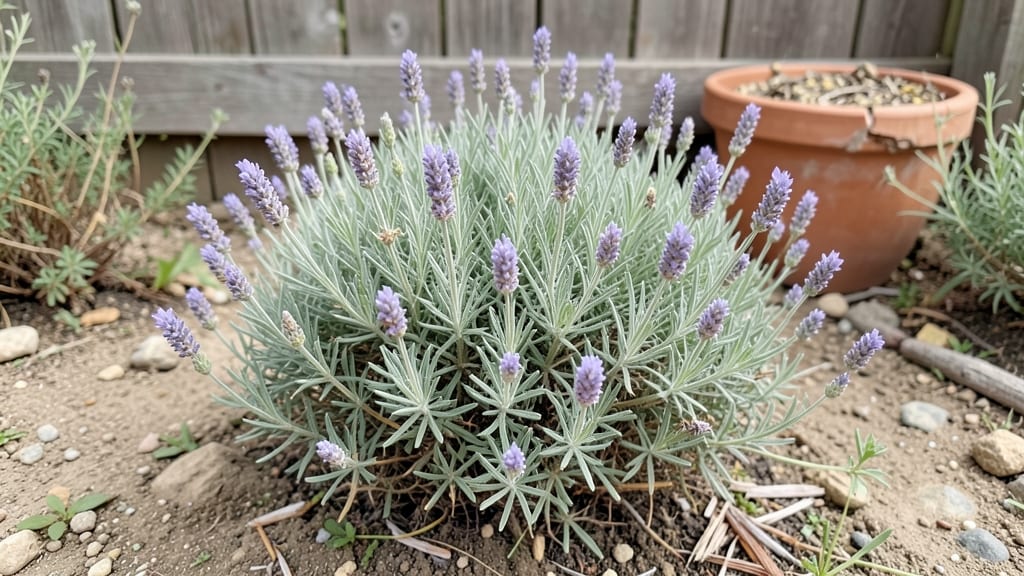
Gardening in Portugal feels like working with the Mediterranean itself—sun-drenched days, salty breezes, and soil that rewards drought-loving plants. 🌿 I’ve spent years watching Portuguese gardens transform rocky slopes into lush, fragrant retreats, and the secret isn’t just the climate but the plants that thrive here naturally.
The right approach starts with embracing Mediterranean natives like olive trees, lavender, and rosemary, which handle heat and dry spells with ease. Traditional Portuguese gardens often blend these with citrus groves and climbing bougainvillea, creating that signature mix of practicality and beauty.
Even in small urban spaces, you can mimic this look with the right containers and mulching techniques.
What you’ll love most is how low-maintenance this style is once established. Water deeply but infrequently, let the soil stay slightly dry between drinks, and watch your garden flourish without the fuss.
The scent of jasmine at dusk or the first lemons of the season becomes your reward for trusting the climate’s rhythm.
Whether you’re reviving a rustic quinta or a city balcony, these principles adapt effortlessly. The key is starting small—maybe a single lemon tree or a lavender hedge—and letting the Mediterranean do the rest. Here’s how to begin without overcomplicating it.
📚 In This Guide
- What you need
- Instructions
- Tips and common mistakes
- Wrapping up and next steps
What you need
- ● Soil & Fertilizers: Well-draining Mediterranean soil mix (sandy loam or clay-loam blend) – 10-20 cubic meters (depending on garden size).
- ● Organic compost – 50-100 kg (for enriching soil).
- ● Slow-release fertilizer (e.g., 10-10-10 NPK) – 20-50 kg (for citrus, olives, and vegetables).
- ● Mulch (straw, wood chips, or pine needles) – 30-50 kg (to retain moisture).
- ● Watering Supplies: Drip irrigation system (highly recommended for water efficiency) – 50-100 meters of tubing + emitters.
- ● Watering can (5-10 liters) – 1-2 units (for seedlings and small plants).
- ● Hose with adjustable nozzle – 1 unit (for larger areas).
- ● Hand Tools: Garden trowel – 1 unit (for planting and transplanting).
- ● Pruning shears (bypass or anvil type) – 1 unit (for shaping plants).
- ● Garden fork – 1 unit (for aerating soil).
- ● Hand pruners – 1 unit (for precise trimming).
- ● Gloves (gardening & pruning) – 1-2 pairs (for protection).
- ● Planting Supplies: Seedlings or saplings (e.g., olive trees, citrus, lavender, rosemary) – quantity based on garden layout.
- ● Plant tags/labels – 50-100 units (for tracking varieties).
- ○ Biodegradable pots (optional) – 20-50 units (for seed starting).
- ● Soil pH test kit – To ensure optimal growing conditions (especially for citrus and blueberries).
- ● Trellis or stakes – For climbing plants like grapes or passionfruit.
- ● Bird netting – To protect fruits from pests (e.g., 🍊 citrus or 🍇 grapes).
- ● Wheelbarrow – For hauling soil, mulch, or tools.
- ● Solar-powered garden lights – For evening ambiance and security.
Instructions for thriving plants in Portugal’s Mediterranean climate
Portugal’s sun-drenched summers and mild winters create ideal conditions for bold, drought-tolerant plants—but timing and technique matter most.
🌱 Step 1: Plan for Portugal’s Microclimates and Frost Dates
Portugal’s coastal regions like the Algarve enjoy mild winters with rare frost, while inland areas near Lisbon or the Douro Valley can drop below 32°F in winter. Use these regional guides: Coastal areas plant citrus and olives in October, while inland gardeners wait until mid-April after the last frost. I always check local agricultural bulletins for exact dates—your neighbor’s garden might be 10°F warmer.
Here’s the thing—many Mediterranean plants hate soggy soil. Schedule planting for early autumn or spring when rainfall is reliable. Autumn planting gives roots time to establish before summer’s heat, while spring planting avoids winter water stress. For containers, I opt for drought-tolerant succulents and lavender that thrive in Portugal’s hot, dry summers with minimal care.
☀️ Step 2: Choose Plants That Match Portugal’s Sun and Soil
Portugal’s intense summer sun (10+ hours daily) demands shade-tolerant or heat-acclimated plants. I focus on native Mediterranean species like rosemary, thyme, and olive trees, which handle dry, rocky soil without fuss. For ornamentals, bougainvillea and oleander flourish in full sun, while lavender and sage thrive in poor, well-drained soil.
If you’re planting in urban areas with calcareous soil (common in Lisbon), amend with compost and sand to improve drainage. Acid-loving plants like blueberries or hydrangeas need extra attention—container growing is your best bet. I test soil pH annually; most Portuguese gardens run alkaline (7.5-8.5), so adjust accordingly.
💧 Step 3: Water Deeply but Infrequently—Emulate Nature
Portugal’s long, dry summers mean deep watering is non-negotiable. I water once every 7-10 days in summer, delivering 1-2 gallons per plant at the base to encourage deep root growth. Drip irrigation or soaker hoses work best—overhead watering wastes precious moisture and promotes fungal diseases in the heat.
Mulch heavily with straw or wood chips (2-3 inches deep) to retain soil moisture and suppress weeds. In coastal areas, I reduce watering slightly due to higher humidity, but inland gardens need consistent deep soakings. Watch for wilting leaves by midday—that’s your cue to water. Most Mediterranean plants show stress only when roots are severely dry.
✂️ Step 4: Prune Strategically to Encourage Bushier Growth
Prune spring-blooming plants (like lavender) immediately after flowering to shape growth and prevent legginess. For summer-bloomers (bougainvillea, oleander), prune lightly in early spring to avoid removing next year’s flowers. I never cut back more than 1/3 of the plant at once—Mediterranean plants respond poorly to harsh pruning.
Deadhead spent blooms regularly to redirect energy into new growth. Here’s the trick: Use sharp, sterilized shears and make cuts at a 45-degree angle just above a leaf node. This encourages bushier, more resilient plants. For citrus trees, I thin out crowded branches in late winter to improve airflow and reduce disease risk.
🪴 Step 5: Protect Plants from Portugal’s Unpredictable Weather
While summers are reliably hot, Portugal’s autumn and winter storms can damage tender plants. I shield young seedlings with cloches or shade cloth during sudden rain or wind. For container plants, move them to sheltered spots during fall storms—coastal areas get particularly fierce winds.
Frost-sensitive plants like citrus and bougainvillea need winter protection. I wrap containers in bubble wrap or frost cloth and move them under eaves or against walls. Inland gardens might face hard frosts below 28°F—cover plants with blankets or mulch heavily to insulate roots. A little preparation now saves entire plants later.
Tips & tricks for thriving gardens in Portugal’s Mediterranean climate
Portugal’s unique climate demands smart strategies—here’s how to give your plants the best shot at success.
Microclimate Mastery: Coastal areas like the Algarve rarely see frost, but inland regions near Lisbon or the Douro Valley can drop to 32°F or lower. I’ve learned the hard way that citrus planted too early in inland gardens often gets winter damage. For frost-sensitive plants like bougainvillea, wait until mid-April after the last frost date—check local agricultural bulletins, as microclimates can vary by 10°F just a few kilometers apart.
Soil Savvy: Portugal’s alkaline soil (pH 7.5-8.5) is perfect for Mediterranean natives like rosemary and thyme, but acid-loving plants like blueberries need special attention. For container growing, use a high-quality potting mix with added peat moss to lower the pH. I test my soil annually—if your garden has heavy clay, amend with compost and sand to improve drainage, which is critical for preventing root rot in Portugal’s intense summer heat.
Watering Wisdom: The key to summer survival is deep, infrequent watering—1-2 gallons per plant every 7-10 days. I use soaker hoses to deliver water directly to the roots, which prevents fungal diseases that thrive in Portugal’s humid coastal areas. Pro tip: Water in the early morning to reduce evaporation and give plants time to dry before evening humidity sets in. Mulch with 2-3 inches of straw or wood chips to lock in moisture and keep roots cool.
Pruning Precision: Mediterranean plants respond best to gentle pruning. For spring-bloomers like lavender, I cut back immediately after flowering to shape growth, but never remove more than 1/3 of the plant at once. For summer-bloomers like oleander, a light prune in early spring keeps them bushy without sacrificing next year’s flowers. Always use sharp, sterilized shears and make cuts at a 45-degree angle just above a leaf node—this encourages stronger regrowth and prevents disease entry points.
Pro Tips for Gardening In Portugal
- Portugal’s unique climate demands smart strategies—here’s how to give your plants the best shot at success.
- Microclimate Mastery: Coastal areas like the Algarve rarely see frost, but inland regions near Lisbon or the Douro Valley can drop to 32°F or lower.
- Soil Savvy: Portugal’s alkaline soil (pH 7.5-8.5) is perfect for Mediterranean natives like rosemary and thyme, but acid-loving plants like blueberries need special attention.
Frequently asked questions
Got questions about gardening in Portugal’s sunny Mediterranean climate? You’re not alone! Here are some of the most common concerns—and answers—to help you grow with confidence.
What’s the best time to plant in Portugal’s climate?
For cool-season crops (like lettuce, spinach, or carrots), start in early autumn (September–October) or late winter (February–March) to avoid summer heat. Warm-season plants (tomatoes, peppers, basil) thrive when soil warms in April–May. Portugal’s mild winters mean some greens can grow year-round in coastal regions!
How do I water plants in Portugal’s dry summers?
Drip irrigation is your best friend—it delivers water directly to roots, reducing evaporation. Water early morning (5–8 AM) to prevent fungal issues. Mulch with straw or wood chips to retain moisture. Pro tip: Most Mediterranean plants (olives, lavender, rosemary) are drought-tolerant once established!
What pests should I watch for in Portuguese gardens?
Watch out for aphids, whiteflies, and snails (especially after rain). Use neem oil or homemade garlic spray for pests. Slugs? Set out beer traps or copper tape around pots. Prevention: Encourage ladybugs and lacewings—they’re natural pest controllers!
Can I grow vegetables in Portugal’s urban apartments?
Container gardening
works perfectly—try herbs (basil, parsley), cherry tomatoes, or peppers in sunny balconies. Use self-watering pots for convenience. Vertical gardens (like trellises for beans) save space. Just ensure pots have drainage holes and use lightweight soil!
How do I protect plants from Portugal’s intense sun?
Use shade cloth (30–50%) for seedlings or delicate plants like lettuce. Reflective mulch (white gravel or aluminum foil) can reduce heat. For containers, move them to partial shade during peak hours (12–3 PM). Native plants (e.g., rosemary, thyme) are sun-lovers—great for full exposure!
Wrapping up and next steps
Gardening in Portugal is a rewarding journey filled with sun-soaked possibilities! 🌿 With its Mediterranean climate, you’ll thrive by embracing drought-resistant plants, smart watering, and seasonal timing—plus, you’ll enjoy the rich flavors of homegrown herbs and veggies.
Whether you’re a beginner or a seasoned green thumb, the key is to start small, stay consistent, and let nature guide you.
Ready to dig in? Pick a sunny spot, grab your tools, and plant your first seeds today! Need inspiration? Check out our Portugal-specific plant list to kickstart your garden adventure. 🌱