
Pests
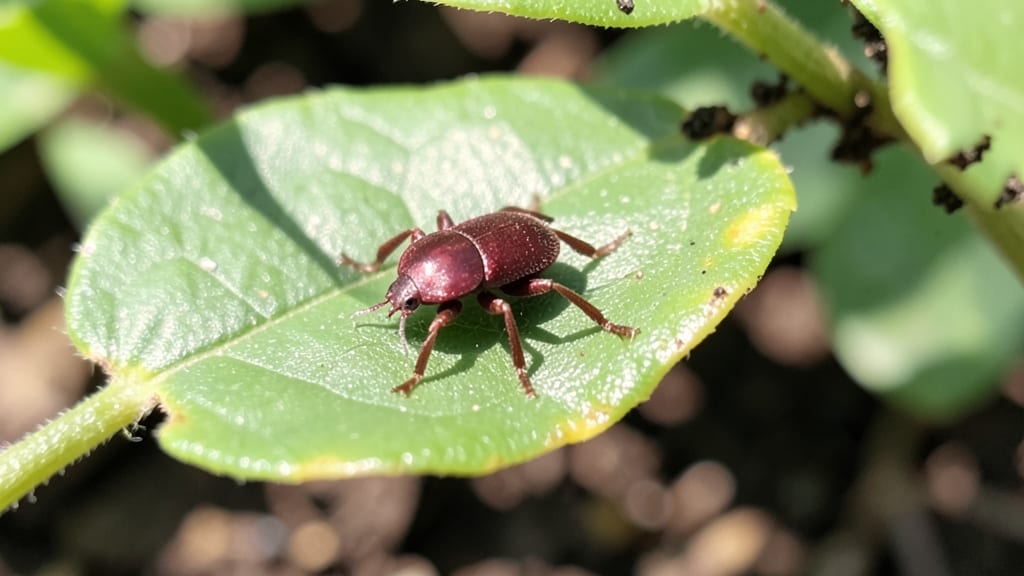
Spotting tiny red velvet mites in your garden means your plants are under attack—and you can stop them fast. 🌿 These tiny red pests look like oversized ticks and thrive in hot, dry conditions, often hiding under leaves where they suck plant juices, leaving silvery trails behind.
The first sign is usually stippling on leaves or fine webbing in sheltered spots. They target everything from roses to fruit trees, but especially love drought-stressed plants. The good news? You don’t need harsh chemicals to eliminate them—just a few targeted steps to break their cycle.
Within 1-2 weeks, you’ll see a dramatic turnaround if you act quickly. Focus on removing webbing, introducing predator mites, and keeping plants well-watered. The key is consistency—these mites multiply fast, but so do your defenses.
Works for both container gardens and in-ground beds, no matter your yard size. Let’s get those red invaders under control before they take over.
Root Causes Behind Tiny Red Invaders
Those tiny, vibrant red mites scurrying across your garden plants aren’t just a random nuisance—they thrive because of specific conditions. Understanding why they appear helps you tackle the problem at its source. Let’s break down the key reasons these eight-legged pests show up in your garden.
Red velvet mites (like Bryobia praetiosa) love weak hosts. When plants are overcrowded or stressed—whether from drought, poor soil, or disease—they become easier targets. Here’s why:
- Weakened defenses: Stressed plants produce fewer natural oils and resins, which normally repel pests. Mites detect these chemical changes and move in.
- Thicker populations: Overcrowded plants provide more hiding spots and food sources (sap, pollen) for mites to multiply rapidly.
- Root competition: Poor soil nutrition (low nitrogen or phosphorus) forces plants to divert energy away from pest resistance, making them more vulnerable.
Actionable fix: Thin out dense plantings, improve soil with compost, and water deeply but infrequently to encourage strong root systems.
Red velvet mites adore heat and aridity. They’re most active in temperatures between 70–90°F (21–32°C), and dry conditions help them thrive by:
- Slowing natural predators: Beneficial insects like ladybugs and lacewings become less active in drought, giving mites an edge.
- Reducing plant moisture: Drier leaves and stems make it easier for mites to pierce plant tissues and feed on sap.
- Speeding reproduction: High heat accelerates their life cycle—females can lay 20–30 eggs in just days under ideal conditions.
Actionable fix: Use mulch to retain soil moisture, water in the early morning to reduce evaporation, and avoid overhead sprinklers that create humid conditions (which can also attract fungal issues).
Mites don’t just appear—they hitchhike in on wind, tools, or even wildlife. A cluttered garden provides perfect hiding spots:
- Leaf litter and mulch: Decaying organic matter traps mites and their eggs, protecting them from natural enemies and pesticides.
- Unwashed tools or pots: Contaminated gardening tools can spread mites from one plant to another.
- Wildlife activity: Birds, rodents, or even bees can unintentionally transport mites to new areas.
Actionable fix:
- ✅ Remove fallen leaves, weeds, and debris regularly (especially near infested plants).
- ✅ Disinfect tools with 70% isopropyl alcohol or a 10% bleach solution between uses.
- ✅ Inspect new plants before bringing them indoors—quarantine them for a week if possible.
Red velvet mites aren’t usually the dominant pest—they’re kept in check by natural enemies. When these predators disappear, mites explode in numbers. Common culprits include:
| Predator | Why They Disappear | How to Attract Them Back |
|---|---|---|
| Ladybugs | Overuse of broad-spectrum pesticides, lack of flowering plants for nectar. | Plant dill, fennel, or marigolds; avoid chemical sprays. |
| Lacewings | Dry soil, absence of aphids (their favorite food). | Install a shallow water dish with pebbles for hydration. |
| Spiders | Heavy pruning removes their webs; pesticides kill them. | Leave some untidy corners or plant climbing roses for shelter. |
Actionable fix: Introduce beneficial nematodes (like Steinernema feltiae) or release predatory mites (e.g., Phytoseiulus persimilis) to restore balance.
By addressing these root causes—plant stress, climate, hygiene, and ecosystem balance—you’ll make your garden a less inviting (and more resilient) space for red velvet mites. The key? Prevention through smart gardening habits.
Quick fixes for tiny garden pests
Got those pesky red velvet mites wreaking havoc in your garden? Don’t panic—these tiny but troublesome critters can be managed with the right approach. Below, we’ve mapped out practical solutions tailored to the root causes of their infestation, along with prevention tips to keep them from coming back.
Before diving into fixes, confirm you’re dealing with red velvet mites (not spider mites or other pests). These mites are bright red, oval-shaped, and often cluster on plant stems or leaves. If you’ve spotted them, it’s time to act!
1. Overwatered or Humid Soil 💦
Cause: Red velvet mites thrive in moist, damp conditions, especially in shaded or poorly drained areas.
Fix It:
- Reduce watering – Let the soil dry out between waterings. Stick your finger an inch into the soil; if it’s damp, wait before watering again.
- Improve drainage – Amend heavy or compacted soil with sand, perlite, or compost to help excess water drain away.
- Prune dense foliage – Thin out overgrown plants to increase airflow and reduce humidity near the soil.
💡 Pro Tip: Water in the early morning so foliage dries quickly, making it less inviting for mites.
2. Weak or Stressed Plants 🌱
Cause: Mites love weak, nutrient-deficient plants because they’re easier to feed on.
Fix It:
- Fertilize properly – Use a balanced, slow-release fertilizer (like 10-10-10) to strengthen plants. Avoid over-fertilizing, which can attract pests.
- Boost plant health – Add compost or worm castings to the soil for natural nutrients. Healthy plants resist pests better.
- Remove severely infested plants – If a plant is too weak to recover, pull it out and dispose of it in sealed trash (not compost).
💡 Pro Tip: Neem oil or insecticidal soap (applied weekly) can help repel mites while supporting plant recovery.
3. Lack of Natural Predators 🐞
Cause: Without beneficial insects (like ladybugs, lacewings, or predatory mites), red velvet mites multiply unchecked.
Fix It:
- Introduce predator insects – Buy or attract ladybugs, lacewings, or minute pirate bugs (they eat red velvet mites).
- Plant companion plants – Marigolds, dill, and basil attract predatory insects naturally.
- Avoid broad-spectrum pesticides – These kill both pests and beneficial bugs. Opt for targeted sprays instead.
💡 Pro Tip: Diatomaceous earth (food-grade) is a non-toxic powder that kills mites by dehydrating them—sprinkle lightly on soil and plant surfaces.
4. Poor Garden Hygiene 🧹
Cause: Debris, fallen leaves, and old mulch create hiding spots for mites to thrive.
Fix It:
- Clean up regularly – Remove dead leaves, weeds, and plant debris from the garden bed.
- Refresh mulch – Replace old mulch with fresh, dry mulch (like cedar chips or straw) to deter mites.
- Disinfect tools – Wash pruners and gardening tools with rubbing alcohol to prevent spreading mites.
💡 Pro Tip: Copper tape wrapped around pot rims or garden edges can repel crawling pests like mites.
Once you’ve eliminated the infestation, stop them from returning with these habits: ✅ Rotate crops – Avoid planting the same susceptible plants (like tomatoes or peppers) in the same spot yearly. ✅ Monitor regularly – Check undersides of leaves and stems weekly for early signs. ✅ Encourage biodiversity – A healthy, varied garden with flowers, herbs, and veggies attracts more predator insects. ✅ Use reflective mulch – Silver or gold mulch can confuse and deter mites with its shine.
Final Thought: Red velvet mites may be stubborn, but with consistent care and smart prevention, you can keep your garden thriving—without the tiny red invaders! 🌿🚫🐜
Frequently asked questions about garden red velvet mites
Are red velvet mites harmful to my plants?
Yes, they can cause significant damage by feeding on plant sap, which leads to yellowing leaves, stunted growth, and weakened plants. Their feeding also creates tiny white speckles on leaves and fine webbing, which stresses plants further. Early intervention is key to preventing long-term harm.
How do I tell red velvet mites apart from spider mites?
Red velvet mites are bright red, oval-shaped, and about 1/16-inch long, while spider mites are usually yellow or green and much smaller (1/50-inch). Red velvet mites also move more slowly and prefer cooler, moist conditions, whereas spider mites thrive in hot, dry environments.
Can I use homemade sprays to eliminate them?
A mix of 1 tablespoon dish soap + 1 quart water or neem oil (1 teaspoon per quart of water) works well. Spray directly on infested areas, focusing on undersides of leaves. For severe cases, repeat every 3-5 days until mites disappear. Always test on a small plant area first.
Will beneficial insects like ladybugs eat red velvet mites?
Yes! Ladybugs, lacewings, and minute pirate bugs are natural predators of red velvet mites. To attract them, plant marigolds, dill, or fennel near your garden. Avoid pesticides that harm these beneficial insects, as they’re your garden’s best defense against mites.
How long does it take to get rid of a red velvet mite infestation?
With consistent treatment, you’ll typically see improvement within 7-10 days. Complete eradication may take 2-3 weeks, depending on the severity. Focus on removing webbing, improving plant health, and introducing predators for the best results.