
Pests and Diseases
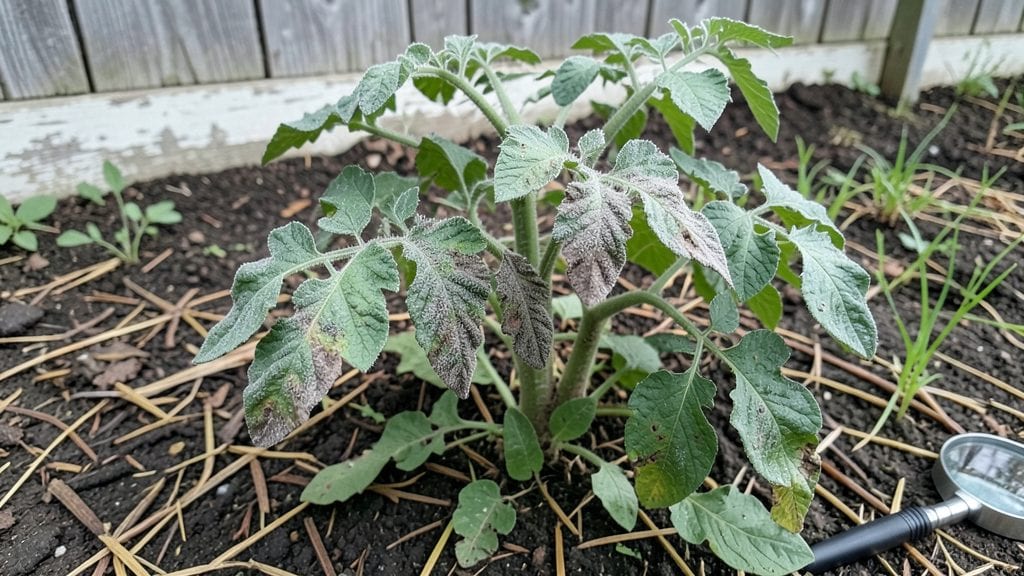
Mastering garden fungus identification can mean the difference between a thriving harvest and a ruined crop—here’s what I’ve learned from years of battling powdery mildew and rust spots. 🌱 from harmful fungi—plus how to stop them before they spread.
The first step is recognizing the symptoms: fuzzy white coatings, orange pustules, or dark, greasy spots on leaves. Each fungus targets specific plants—like black spot on roses or early blight on tomatoes—and knowing these patterns helps you act fast.
Prevention starts with spacing plants properly, avoiding overhead watering, and choosing disease-resistant varieties when possible.
Once you spot the problem, organic solutions work wonders. A mix of baking soda and water tackles powdery mildew, while neem oil disrupts fungal spores before they take hold. The key is catching it early—most garden fungi spread faster than you’d think, so don’t wait until the damage is done.
This guide covers the most common culprits, from edible mushrooms to toxic lookalikes, so you can tell friend from foe—and keep your garden healthy all season long. Let’s get started with the visual clues that matter most.
Root Causes Of Fungal Growth
Fungal growth in your garden isn’t just random—it’s a response to specific environmental and biological triggers. Understanding these causes is the first step to managing (or even harnessing!) fungi for your garden’s health. Below, we break down the key factors that turn your soil into a fungal hotspot.
Fungi thrive in damp conditions because their spores need moisture to germinate and grow. While some fungi rely on consistent humidity, too much water—especially stagnant water—creates the perfect breeding ground. Here’s why it happens:
- Overwatering: Many gardeners assume more water = healthier plants, but fungi like Phytophthora and Pythium flourish in soggy soil. These pathogens attack roots, causing rot.
- Compacted or clay soil: Heavy soils don’t drain well, trapping water near roots. Fungi such as Armillaria (honey fungus) exploit this, spreading through root systems.
- Poor airflow: Dense plantings or thick mulch layers can block airflow, increasing humidity at soil level. This is especially true in shaded or enclosed garden beds.
Actionable fix: Improve drainage with organic matter (compost, sand), space plants for airflow, and water deeply but less frequently to encourage root strength.
Fungi are nature’s recyclers—they break down dead plant material. However, when organic debris piles up, it becomes a smorgasbord for fungal spores. Common culprits include:
- Leaf litter and fallen branches: These create microclimates with high moisture and low light, ideal for saprophytic fungi like Coprinus (inky caps) or Psilocybe (psychedelic mushrooms in some cases).
- Wood mulch: While beneficial for soil health, untreated wood chips can harbor Merulius (brown rot) or Coniophora (cellar fungus), which degrade wood and nearby plants.
- Compost piles that overheat: Improperly managed compost heaps can become anaerobic, producing toxic gases and fostering pathogenic fungi like Mucor.
Actionable fix: Remove fallen leaves and debris regularly, use well-aged compost, and opt for shredded hardwood mulch (less prone to fungal issues than bark).
Fungi have optimal temperature ranges for growth, and seasonal changes can trigger outbreaks. For example:
- Cool, wet springs/autumns: Many garden fungi, including Agaricus bisporus (button mushrooms) and Lentinula edodes (shiitake), germinate when soil temps hover between 50–70°F (10–21°C). Prolonged cool weather keeps spores alive longer.
- Sudden temperature drops: Stress from frost or heatwaves weakens plants, making them vulnerable to Botrytis cinerea (gray mold) or Fusarium.
- Greenhouse or microclimates: Enclosed spaces (like cold frames) can trap humidity and warmth, accelerating fungal growth even in dry climates.
Actionable fix: Monitor soil temperature with a probe, avoid overhead watering in the evening (to prevent nighttime cooling), and use row covers in early spring to moderate temps.
Healthy plants resist fungal invasions, but stress—whether from pests, nutrient deficiencies, or physical damage—opens the door to pathogens. Common stress signals include:
- Nutrient imbalances: Too much nitrogen (common in synthetic fertilizers) promotes lush, weak growth susceptible to Rhizoctonia (black scorch). Conversely, phosphorus or potassium deficiencies weaken cell walls.
- Pest damage: Insects like slugs or aphids create wounds where fungi like Alternaria can enter. Even fungal-feeding pests (e.g., Liriomyza leaf miners) indirectly promote secondary infections.
- Transplant shock: Newly planted or recently pruned plants are vulnerable to Verticillium or Phytophthora as they recover.
Actionable fix: Use balanced organic fertilizers (e.g., 5-5-5 NPK), rotate crops to prevent soil-borne pathogens, and treat pest issues promptly with neem oil or beneficial insects.
Pro tip: 💡 Some fungi are symbiotic (like mycorrhizal networks) and beneficial—they help plants absorb nutrients. The key is distinguishing between helpful and harmful species. Always start with identification before intervening!
Fixing Fungal Issues Naturally
Once you’ve identified the culprit in your garden—whether it’s a harmless edible mushroom, a pesky lawn fungus, or a toxic lookalike—it’s time to take action. Below are practical, step-by-step solutions tailored to common garden fungus problems, along with prevention tips to keep your green space healthy long-term.
If you’ve spotted edible mushrooms like morels, chanterelles, or oyster fungi, you have two options: harvest them responsibly or remove them entirely to prevent overgrowth.
🔪 Harvesting for the Table
- 🕵️♂️ Double-Check Identification
- Use a field guide or app (like iNaturalist or Mushroom Identify) to confirm edibility.
- Never eat a mushroom unless you’re 100% certain—when in doubt, throw it out!
- 🌱 Cut at the Base
- Use a clean knife or shears to slice just above the soil line.
- Avoid pulling—this can damage roots and leave behind spores.
- 🍽️ Clean & Cook Properly
- Brush off dirt (don’t wash—mushrooms absorb water like sponges).
- Cook thoroughly—raw wild mushrooms can be tough and may carry bacteria.
🧹 Removing Unwanted Fungi
If the mushrooms are in the wrong place (e.g., crowding plants or spreading too fast):
- 🔥 Scrape or Dig Out – Use a trowel to remove the entire fungus, including the mycelium (the white, thread-like root system).
- 💨 Rake Away Debris – Fungi thrive in moist, decaying matter, so clear away fallen leaves and mulch.
- 🌞 Improve Airflow – Thin out dense plantings to reduce humidity, a fungus’s favorite breeding ground.
If your garden is battling harmful fungi like powdery mildew, rust, or leaf spot, act fast with these organic and chemical-free fixes.
🌿 Preventative Care (Best Defense!)
| Problem | Quick Fix | Prevention Tip |
|---|---|---|
| Powdery Mildew | Spray with baking soda solution (1 tsp baking soda + 1 quart water + a drop of soap). | Space plants for airflow; water at the base (not leaves). |
| Rust Fungi | Remove infected leaves; apply neem oil spray. | Rotate crops and avoid overhead watering. |
| Root Rot | Improve drainage; reduce watering. | Test soil pH (fungi love acidic soil—aim for 6.0-7.0). |
💡 Pro Tips for Fungal Control
- 🌡️ Water Wisely – Early morning is best; avoid evening watering (keeps foliage damp too long).
- ✨ Copper Fungicide – A natural option for severe cases (follow package instructions).
- 🌱 Companion Planting – Marigolds, garlic, and chives repel fungi naturally.
If you’ve spotted a dangerous doppelgänger (e.g., deadly galerina vs. chanterelle or false morels), do not touch it! Instead:
- 📸 Document & Report
- Take clear photos (top, side, base, and habitat).
- Submit to local mycological societies or Poison Control for verification.
- 🧹 Remove Safely
- Wear gloves and double-bag the mushroom.
- Dispose in the trash (not compost)—some toxic spores can survive.
- 🚨 Educate Others
- Warn neighbors, kids, and pets—toxic mushrooms can be fatal.
- Post in local gardening groups with photos and warnings.
To keep your garden fungus-free, adopt these habits: ✅ 🌱 Mulch Properly – Use straw or wood chips (avoid thick layers that trap moisture). ✅ 🌿 Rotate Crops – Prevents soil-borne fungi from building up. ✅ 💦 Water Deeply, Less Often – Encourages strong roots and reduces surface moisture. ✅ 🌞 Prune for Airflow – Trim overcrowded branches and bushes. ✅ 🧼 Sterilize Tools – Clean pruners with rubbing alcohol between uses.
Final Thought: Most garden fungi are harmless or even helpful (like decomposers), but knowing how to identify, remove, or prevent the problematic ones keeps your garden thriving—not rotting! 🌿💚
Frequently asked questions
How do I tell if a garden fungus is harmful or harmless?
Look for signs of stress on your plants—yellowing leaves, black spots, or wilting stems indicate harmful fungi like powdery mildew or root rot. Harmless fungi (e.g., edible mushrooms) usually grow on decaying wood or compost without affecting living plants. Always check the mushroom’s shape, color, and habitat before assuming it’s safe.
What’s the fastest way to prevent fungal growth in my garden?
Improve airflow by spacing plants 12-18 inches apart and watering at the base (not overhead) in the morning. Use mulch sparingly—thick layers trap moisture. For existing issues, a 1% hydrogen peroxide spray (3% diluted 10:1) kills spores without chemicals.
Can I use vinegar to treat garden fungi?
Yes, but with caution! Mix 1 part white vinegar to 3 parts water and spray on affected areas (avoid edible plants). The acidity disrupts fungal cell walls, but repeat every 3-5 days for severe infections. Test a small area first—vinegar can harm some plants if overused.
Why do some mushrooms appear overnight in my lawn?
Mushrooms are the fruiting bodies of mycelium networks growing underground—often from buried wood, compost, or even pet waste. They erupt after rain when soil moisture triggers spore release. Remove them by digging out the base (white, thread-like roots) to prevent regrowth.
Are there any fungi that actually help my garden?
Mycorrhizal fungi form beneficial relationships with plant roots, boosting nutrient absorption. Look for dark, web-like strands on roots—these are natural allies. Avoid disrupting them unless they’re causing visible harm (like smothering plants).