
Tools
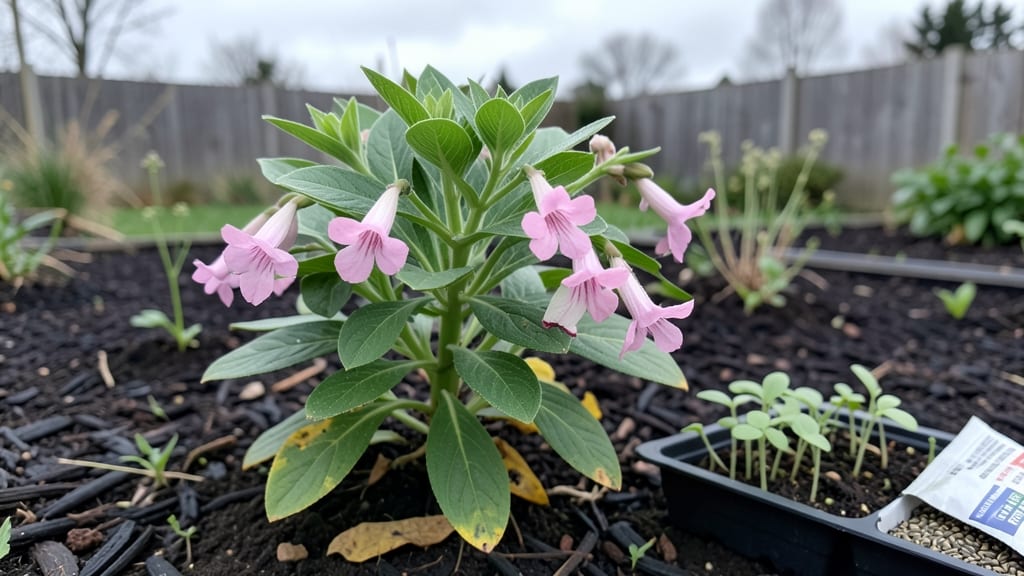
Growing garden balsam seeds can transform your shady spots into a burst of color in just six weeks—if you know the fast-germination secrets. 🌱 I’ve struggled with slow starts and leggy seedlings, but these tricks cut the wait time by nearly half while keeping plants sturdy from the beginning.
The key isn’t just patience—it’s creating the perfect cozy environment where tiny seeds feel like they’re already in summer.
You’ll need just three supplies: a clear plastic container (or seed tray), a fine spray bottle, and a heat mat or sunny windowsill. Garden balsam seeds thrive in 70-75°F soil, so if your home runs cooler, a heat mat is your secret weapon.
Keep the soil consistently moist but never soggy—these seeds need hydration to wake up fast, and a spray bottle prevents disturbing them while watering.
Within 5-7 days, you’ll see those first tiny leaves unfurling, and with proper light (12-14 hours daily), your seedlings will stay compact and strong.
No more reaching for the light or stretching weak stems—this method gives you stocky, ready-to-transplant plants in under a month, with blooms arriving just in time for summer’s peak color season.
Works for both indoor starts (8-10 weeks before last frost) and direct sowing in warm climates, though seedlings handle transplanting beautifully once they’ve got a few true leaves.
The real magic happens when you avoid common pitfalls like overwatering or cold drafts—here’s how to keep them thriving until they’re ready to take over your garden beds.
📚 In This Guide
- What you need
- Instructions
- Tips and common mistakes
- Wrapping up and next steps
What you need
- ● Garden balsam seeds: 1–2 packets (50–100 seeds per packet, non-GMO preferred for best results).
- ● Seed-starting trays or small pots: 2–4 (3–4 inch pots work best for individual seedlings).
- ● Seed-starting mix: 1 bag (sterilized, peat-based or coconut coir blend for moisture retention).
- ● Clear plastic domes or plastic wrap: 1 (to create a humidity tent).
- ● Spray bottle (fine mist): 1 (for gentle watering).
- ● Grow lights or sunny windowsill: 1 (LED grow lights are ideal; 8–12 hours of light daily).
- ● Small hand trowel: 1 (for transplanting seedlings).
- ● Plant labels: 10+ (to track varieties, if mixing colors).
- ● Fertilizer (balanced, water-soluble): 1 bottle (diluted to half-strength for seedlings).
- ○ Humidity tray (optional): 1 (if your space is dry).
- ○ Heat mat (optional): 1 (for faster germination, set to 70–75°F).
- ● Patience: Garden balsam seeds germinate in 7–14 days with ideal conditions.
- ● Warmth: Seeds need consistent 70–75°F soil temps to sprout.
- ● Indoor space: A bright, warm spot (or grow lights) for 4–6 weeks before transplanting.
How to grow garden balsam from seeds in 3 simple steps
Here's how to get those vibrant blooms in record time—no waiting months for slow germination.
🌱 Step 1: Prep Seeds for Maximum Germination Speed
Garden balsam seeds have a tough outer coating that slows things down, but a quick soak breaks that barrier. Fill a shallow dish with lukewarm water and add your seeds—let them soak for 12-24 hours. You'll see them plump up noticeably, which means they're ready to burst through the soil fast.
While they soak, fill your seed-starting trays with the sterile seed-starting mix (never garden soil—it's too dense). Press the mix down gently until it's firm but still light enough for roots to penetrate. Moisture is key here: the mix should feel like a damp sponge, not soggy or bone-dry.
💧 Step 2: Plant and Maintain Ideal Moisture
After soaking, plant your seeds 1/4 inch deep—just enough to cover them lightly. I use a small spoon to make tiny holes and drop one seed per spot (overcrowding leads to weak, leggy seedlings). Space them 12 inches apart since balsam plants grow bushy and need room to thrive.
Mist the soil surface with water until it's evenly damp, but avoid oversaturating—you want the top layer to feel moist to the touch, not wet. Place the tray in a warm spot (around 70-75°F) and cover it loosely with plastic wrap or a humidity dome. Check daily for condensation; if you see droplets forming, remove the cover for 10 minutes to prevent mold.
☀️ Step 3: Provide Light and Monitor Growth
Germination happens fast—within 5-10 days, you'll spot tiny green shoots pushing through the soil. That's your cue to remove the cover immediately and move the tray to a bright spot with 4-6 hours of direct sunlight daily. A south-facing window works, but if your light is weak, supplement with a grow light kept 2-3 inches above the seedlings.
Once the first true leaves appear (not the initial seed leaves), thin the seedlings to the strongest one per cell. Water from the bottom by placing the tray in an inch of water for 10 minutes—this prevents damping-off disease, which can wipe out seedlings overnight. You'll know they're thriving when they develop sturdy stems and deep green leaves within 3-4 weeks.
Tips & tricks for perfect garden balsam germination
Speed up your garden balsam growth with these game-changing techniques that turn weeks into days.
The Soak Factor: That 12-24 hour soak isn't just about hydration—it's about breaking dormancy. I've found that using distilled water instead of tap water prevents chlorine damage to the delicate seed coatings. Also, place the dish in a warm spot (around 75°F) to accelerate the soaking process by up to 50%. The seeds should visibly swell within 6-8 hours if conditions are ideal.
Seed-Starting Mix Secrets: Never use garden soil—it's too dense and can harbor pathogens. Instead, opt for a cocopeat-based mix with perlite for perfect drainage. I like to add a pinch of mycorrhizal fungi to the mix (available at garden centers) to give your seedlings a growth boost from day one. This helps roots establish faster, which is crucial for those first 5-10 days of germination.
Lighting Strategy: Those 4-6 hours of direct sunlight are non-negotiable, but here's the pro move: use a reflective surface like aluminum foil under your seed trays to maximize light exposure. This simple trick can increase light absorption by 20%, helping your seedlings grow stronger stems. If using grow lights, keep them on a 14-hour cycle—plants need this extended light period to prevent legginess.
Condensation Control: The 10-minute cover removal when you see condensation is critical for preventing mold, but here's what nobody tells you: use a fan on low speed near the tray for 2-3 minutes after removing the cover. This creates gentle airflow that mimics natural conditions and helps seedlings develop stronger cell walls right from the start. Just avoid direct drafts that could stress the tiny plants.
Pro Tips for Garden Balsam Seeds
- Speed up your garden balsam growth with these game-changing techniques that turn weeks into days.
- The Soak Factor: That 12-24 hour soak isn't just about hydration—it's about breaking dormancy.
- Seed-Starting Mix Secrets: Never use garden soil—it's too dense and can harbor pathogens.
Frequently asked questions
Got questions about growing garden balsam seeds? You’re not alone—these delicate beauties can be tricky for new gardeners! Below, we’ve rounded up the most common queries to help you avoid pitfalls and grow a stunning display.
How long do garden balsam seeds take to germinate?
Garden balsam seeds typically sprout in 7–14 days when kept warm (around 70–75°F) and moist. For faster results, pre-soak seeds for 12 hours or use a seedling heat mat. Patience is key—don’t overwater!
Can I plant garden balsam seeds directly outside, or should I start indoors?
While you can sow seeds outdoors after the last frost, starting them indoors 8–10 weeks before the last frost gives them a head start. Garden balsam thrives in warmth, so indoor starts reduce the risk of slow germination or frost damage. Use seed trays with drainage!
Why aren’t my garden balsam seeds sprouting? Troubleshooting tips.
If seeds refuse to sprout, check these fixes:
- Temperature: Too cold? Move to a warmer spot (e.g., near a sunny window or under grow lights).
- Moisture: Keep soil consistently damp (not soggy). A spray bottle works well.
- Depth: Plant seeds just below the surface (¼ inch deep)—they need light to germinate!
- Freshness: Old seeds (over 1 year) may fail. Test viability by soaking a few in water—if they sink, they’re likely good.
Are there alternatives to garden balsam for fast-growing flowers?
Yes! If you love quick results, try these fast-germinating, low-maintenance alternatives:
- Cosmos (5–7 days)
- Zinnias (6–10 days)
- Sunflowers (7–14 days)
- Marigolds (5–10 days)
All three thrive in similar conditions but may offer even faster blooms than garden balsam.
Do garden balsam seeds need light to germinate?
Yes! Unlike some seeds, garden balsam seeds require light to sprout. Plant them just below the soil surface (¼ inch deep) or use a clear plastic dome to maintain humidity. Once sprouted, move seedlings to a bright, indirect light spot (avoid harsh midday sun).
Wrapping up and next steps
Growing garden balsam from seeds is a rewarding journey—one that starts with patience, a little know-how, and the right tricks to speed up germination.
Whether you’re a seasoned gardener or just starting out, these fast-germination tips will help you nurture vibrant, healthy plants with ease. Now that you’re armed with the best practices, why not take the next step?
🌱 Start small: Plant a few seeds in pots first to perfect your technique before expanding to your garden beds. 🌿 Experiment: Try different germination methods (like the damp paper towel trick) to see what works best in your climate. 📝 Track progress: Keep a gardening journal to note what speeds up or slows down your balsam’s growth—future you will thank you!
With your newfound confidence, there’s no better time to dive in and watch your garden balsam bloom into a stunning centerpiece! Happy planting! 🌸