
Tools
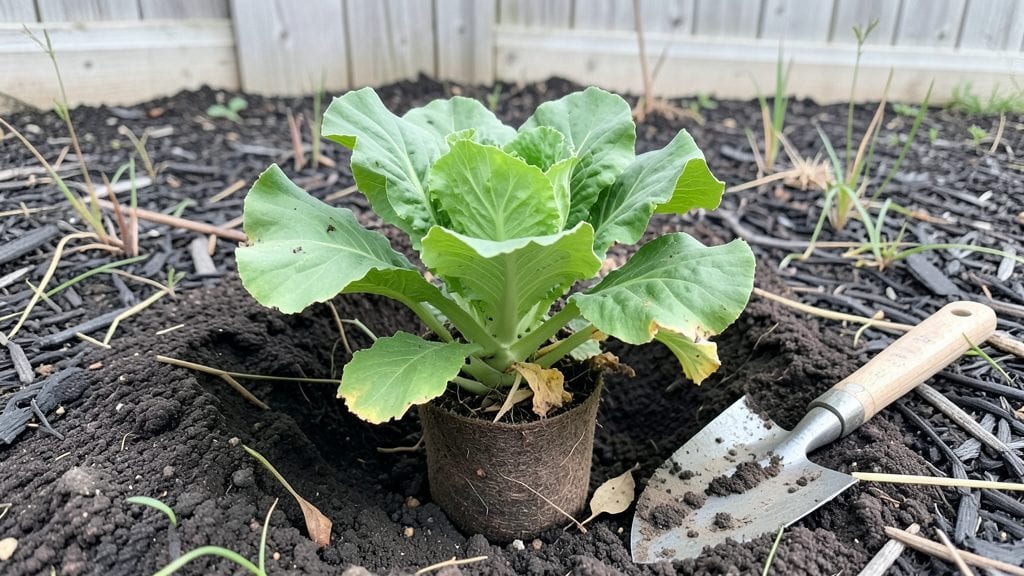
A kindergarten garden should be a playground for tiny hands and curious minds. 🌱 I designed mine with plants that smell like sunshine, taste sweet, and teach lessons without a single worksheet.
The key is choosing plants that are safe, easy to grow, and packed with sensory surprises—think velvety lamb’s ear, crunchy snap peas, and flowers that change color as they age.
Start with a small, fenced-off area where kids can dig, plant, and explore without worry. Use raised beds filled with lightweight soil so little fingers can scoop and shape it easily.
My favorite setup includes a 3-foot-by-3-foot bed for group planting and individual 5-gallon pots for personal projects—perfect for growing sunflowers, marigolds, or even edible flowers like nasturtiums.
By the end of the season, you’ll have a space where children learn to observe, predict, and celebrate—like watching a sunflower seed sprout in just five days.
The garden becomes a living classroom where math (counting seeds), science (tracking growth), and art (painting with flower petals) all come together naturally.
Works for schools, daycares, or backyard play areas. The best part? Kids leave with dirt under their nails and wonder in their eyes—exactly what learning should feel like.
📚 In This Guide
- What you need
- Instructions
- Tips and common mistakes
- Wrapping up and next steps
What you need
- ● Soil: 1–2 bags of lightweight, nutrient-rich potting mix (avoid heavy clay soil—kindergarteners need easy-to-dig dirt!). Quantity: Enough to fill 4–6 standard kindergarten-sized planting pots (6–8 inches deep) or a 4’x4’ raised bed.
- ○ Optional: A handful of compost or worm castings (for extra nutrients—kids love watching worms!).
- ● Plants (Sensory-Friendly Picks!): 3–5 scented plants: Lavender, mint, or chamomile (hardy, fragrant, and safe for little hands!).
- ● 2–3 textured plants: Lamb’s ear (velvety leaves), fuzzy lamb’s ear, or succulents (like hens & chicks) for tactile fun.
- ● 1–2 edible/herb plants: Strawberries (low-growing), basil, or cherry tomatoes (supervised tasting!).
- ○ Optional: Fast-growing sunflowers (for watching seeds sprout—magical for kids!).
- ● Containers & Beds: 4–6 child-sized planting pots (6–8” diameter) or a raised bed (4’x4’ max height for easy access).
- ○ Optional: Decorative terracotta pots with handles (for little gardeners to carry water!).
- ● Tools: 1 plastic trowel (kid-safe, no sharp edges!).
- ● 1 small hand shovel or spade (for digging—look for ergonomic grips!).
- ● 1 watering can with a long spout (or a spray bottle for gentle watering).
- ○ Optional: A magnifying glass (for bug-hunting adventures!).
- ● Gloves (cotton or mesh—avoid latex for sensitive skin).
- ● Safety & Extras: 1 sun hat or shade sail (for outdoor play—critical for little ones!).
- ● 1 bucket of water (for rinsing hands post-gardening).
- ○ Optional: Chalk or paint (to label plants with fun names like “Smelly Mint” or “Fuzzy Cloud”!).
- ● A small notebook (for kids to draw their garden discoveries!).
Step-by-Step instructions for designing a sensory-friendly kindergarten garden
Here's how to create a space that engages little hands and curious minds—safely and joyfully.
🌱 Step 1: Select Plants That Delight All Senses
Focus on 4 varieties that offer texture, color, and gentle scents. I always include sunflowers (tall and cheerful), lavender (soft purple spikes for sniffing), snap peas (fun to pick and eat), and lamb's ear (fuzzy leaves that feel like velvet). These plants are non-toxic, easy to grow, and spark immediate interest.
Plant sunflowers in the center where they'll tower over the garden, lavender along the edges for its calming scent, and snap peas near the front where little hands can reach. Lamb's ear thrives in partial shade—perfect under a tree or bench. Avoid anything with thorns or sticky sap; this garden should feel magical, not prickly.
🪴 Step 2: Prepare the Space with Safety and Accessibility in Mind
Use raised beds (12-18 inches tall) so kids can stand and reach the plants without bending. Line the bottom with landscape fabric to block weeds, then fill with 3 cubic feet of potting mix mixed with 1 bag of compost. This creates a soft, nutrient-rich growing space that's easy for tiny fingers to dig into.
Add a 4-foot wooden border around the bed to define the space visually. Paint it bright colors—red, yellow, or blue—to make the garden pop. Keep pathways wide enough for strollers or wheelbarrows, and avoid sharp edges. The goal is a space where kids feel safe to explore without supervision.
☀️ Step 3: Plant with Spacing for Little Explorers
Arrange plants in small groups of 3-5 so kids can see how they grow together. Sunflowers need 12 inches between plants, while lavender and snap peas can share space at 6 inches apart. Lamb's ear spreads gently—plant it 8 inches apart in clusters.
Use biodegradable pots for snap peas so kids can transplant them themselves. Fill each pot with 1 cup of potting mix, place 2-3 seeds inside, and let the child press them in gently. Water lightly with a spray bottle so they can feel the mist on their hands. This hands-on step builds excitement and ownership.
💧 Step 4: Teach Watering with a Fun Routine
Give each child a small watering can (or even a clean plastic bottle with holes poked in the cap) and let them water the garden 2-3 times a week. Show them how to check if the soil is dry by touching it—if it feels like a dry sponge, it's time to water. If it's damp like a wrung-out sponge, wait a day.
Turn watering into a game by counting how many "splats" each plant gets. Sunflowers love 1 cup of water per week, while lavender prefers just enough to keep the soil slightly moist. Kids will notice which plants perk up fastest after their care, reinforcing the connection between effort and growth.
✂️ Step 5: Harvest and Celebrate Together
When snap peas form pods (about 6-8 weeks after planting), let the kids pick them with a small pair of child-safe scissors. Show them how to gently twist the pods off the vine—no pulling! Sunflowers will bloom in 8-10 weeks, and kids can help count petals or collect seeds for crafts.
Celebrate harvests with a "garden snack" of fresh peas or sunflower seeds. Even if they don't eat them, the act of picking and sharing makes the garden feel like a place of accomplishment. Lavender can be used for simple potpourri, and lamb's ear leaves make great "pillows" for stuffed animals. Every plant has a purpose beyond just looking pretty.
Tips & tricks for a sensory-friendly kindergarten garden
A few simple strategies can transform your garden into a magical learning space that captivates little ones while keeping it safe and engaging.
Plant Placement for Maximum Engagement: In Step 1, position sunflowers where kids can see them from indoors—this creates excitement as they watch them grow toward the window. Place lavender near seating areas so children can enjoy its calming scent while sitting. The snap peas near the front ensure quick access for those eager little hands, while lamb's ear in partial shade prevents wilting during hot afternoons.
Safety First in Step 2: When building your 12-18 inch raised beds, add a layer of 1-inch pea gravel at the bottom before the landscape fabric. This improves drainage and prevents waterlogging, which can make the soil too soggy for tiny fingers. For the wooden border, round all edges with a router or sandpaper—sharp corners are a common hazard in kindergarten gardens.
Make Planting a Hands-On Activity: For Step 3's biodegradable pots, let each child decorate theirs with non-toxic markers before planting. This personal connection makes them more invested in caring for their snap peas. When demonstrating the 12-inch spacing for sunflowers, use a child's arm span as a visual guide—most 5-year-olds can stretch their arms 12 inches apart, making it an easy measurement to remember.
Watering Game Strategy: In Step 4, introduce a color-coded watering system using the 2-3 weekly waterings. Assign each plant a color (sunflowers = red, lavender = purple, etc.) and have kids use colored watering cans. This visual reinforcement helps them remember which plants need what. The "splat counting" game works best with a small cup measure—let them pour exactly 1 cup for sunflowers to understand portion control.
Pro Tips for Garden For Kindergarten
- A few simple strategies can transform your garden into a magical learning space that captivates little ones while keeping it safe and engaging.
- Plant Placement for Maximum Engagement: In Step 1, position sunflowers where kids can see them from indoors—this creates excitement as they watch them grow toward the window.
- Safety First in Step 2: When building your 12-18 inch raised beds, add a layer of 1-inch pea gravel at the bottom before the landscape fabric.
Frequently asked questions
Got questions about creating a garden for kindergarten? You’re not alone! Here are answers to some of the most common ones to help you get started with confidence.
What are the best plants for a sensory-friendly kindergarten garden?
Opt for tactile, aromatic, and visually stimulating plants like lavender (soft texture + scent), sunflowers (bright colors + tall stems), and mint (fragrant leaves). Avoid anything toxic (e.g., foxglove) or with thorns. Safe picks include basil, marigolds, and snapdragons—all kid-tested and teacher-approved!
When is the best time to plant a kindergarten garden?
Timing depends on your climate! In spring (after the last frost), plant cool-season crops like lettuce or radishes. For summer, focus on heat-lovers like beans or sunflowers. Pro tip: Start seeds indoors 4–6 weeks before the last frost date for a head start. Local gardening guides can help tailor your schedule.
How can I make a kindergarten garden budget-friendly?
Skip expensive setups—use recycled containers (clean yogurt cups, buckets) or repurpose old tires for planters. Swap store-bought soil for compost from food scraps or free mulch from local tree services. Bonus: Partner with parents for donations (e.g., seeds, gloves). Even a $20–$50 garden can yield big sensory rewards!
How do I keep kids safe while gardening?
Supervise all activities, especially with tools. Use child-safe shears (blunt tips) and teach gentle handling of plants. Avoid plants with known allergens (e.g., poison ivy) and wash hands after play. Pro tip: Create a "no-step" zone around raised beds to prevent spills or falls.
What if the weather ruins my garden plans?
No worries! Indoor alternatives work too: Grow herbs in windowsill pots or use a hydroponic kit for year-round greens. For outdoor gardens, cover seedlings with cloches (DIY with plastic bottles!) on chilly days. Rainy days? Turn gardening into a storytime with books like “The Tiny Seed” by Eric Carle.
Can I reuse garden materials from year to year?
Clean and sanitize containers (soak in vinegar water) and refresh soil with compost. Reuse stakes, labels, and tools—just sharpen blades and replace broken handles. Sustainability win: Kids love tracking progress in the same spot (e.g., “Our sunflower grew here last year!”).
Wrapping up and next steps
A kindergarten garden isn’t just about dirt and seeds—it’s a vibrant playground for little hands and curious minds! 🌱 By choosing sensory-friendly plants like lavender, sunflowers, and mint, you’re fostering growth, wonder, and even early science skills. Plus, the joy of watching tiny explorers connect with nature is priceless.
Ready to dig in? Start small—even a windowsill herb garden can spark excitement. Grab your gloves, gather the kids, and let the learning (and planting!) begin!