
Tools
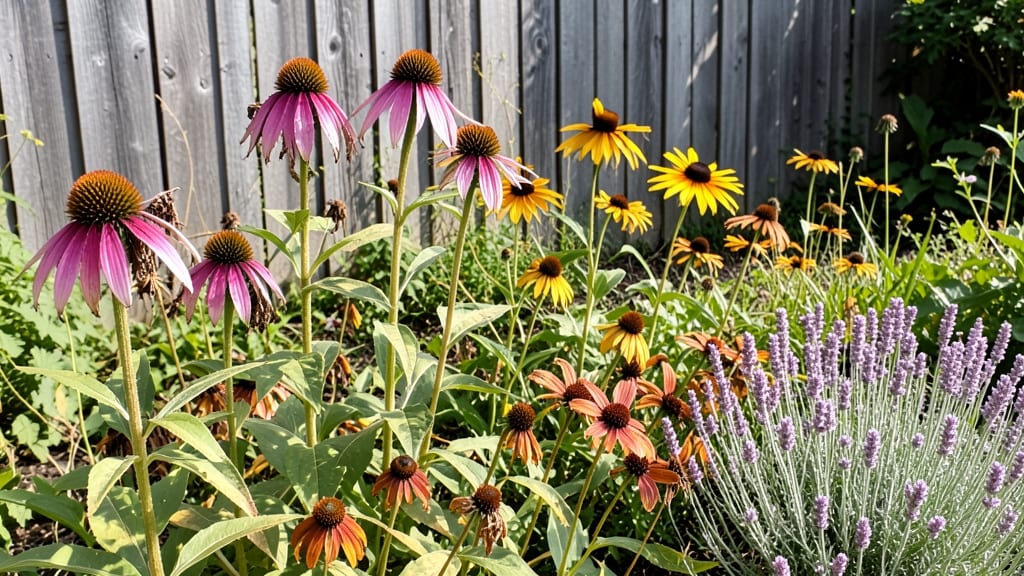
My flower garden maintenance routine starts with a sharp pair of pruners and a clear plan—because deadheading and shaping plants at the right times keeps them blooming like crazy all season.
I learned the hard way that skipping regular pruning means fewer flowers and leggier stems, but once you get the rhythm, it becomes second nature. The key is knowing when to cut back perennials versus annuals, and how much to trim without hurting next year's growth.
You’ll need basic tools like clean pruners, gloves, and a small rake for cleanup, plus a spray bottle for watering fresh cuts. Most jobs take just 20-30 minutes per session, and the payoff is a garden that stays vibrant instead of turning into a tangled mess.
I’ve cut my garden’s upkeep time in half by focusing on quick, strategic pruning instead of waiting for things to get out of hand.
By summer’s end, you’ll have flowers that keep producing until frost, stems that stay sturdy, and a garden that looks intentional—not like it’s slowly dying. The secret is consistency: a little attention every few weeks beats one big cleanup later.
Plus, you’ll spot pests or diseases early when you’re regularly checking plants.
This works for everything from roses to daylilies, container gardens to full sun borders. The only real mistake is over-pruning—so when in doubt, cut less and observe how the plant responds. Let’s get those blooms going strong!
📚 In This Guide
- What you need
- Instructions
- Tips and common mistakes
- Wrapping up and next steps
What you need
- ● Pruning shears: Bypass pruners (sharp, 5–7" blades) for clean cuts on stems up to ½ inch thick. Pro tip: 💡 Sanitize blades with rubbing alcohol between cuts to prevent disease spread!
- ● Loppers: 8–12" bypass or anvil loppers for thicker branches (up to 1.5" diameter). Look for ratcheting models for extra leverage.
- ● Hand pruners: Anvil-style (for tough stems) or bypass (for precision) in a compact size (4–6").
- ● Garden saw: Folding pruning saw with fine teeth for thick, woody stems (1.5" and up).
- ● Gloves: Heavy-duty, cut-resistant gloves (e.g., blank">Mechanix Wear or blank">Felco brands) to protect hands from thorns and sap.
- ● Knee pads: Gel or foam pads for comfort during long pruning sessions.
- ● Disinfectant spray: 70% isopropyl alcohol or a commercial pruning sealant (e.g., blank">Tanglefoot Pruning Seal) to sterilize tools.
- ● Sharpener: A file or dedicated pruner sharpener to maintain blade edges.
- ● Bucket or bag: A sturdy 5-gallon bucket or mesh bag for collecting pruned debris.
- ● Hose or water sprayer: For rinsing tools and refreshing plants post-pruning.
- ● Pruning guide: A printed chart or app (e.g., blank">Gardenate) to track seasonal pruning schedules by plant type.
- ● Basic knowledge of your plants’ pruning needs (research or consult a local nursery!).
- ● Access to a water source for cleaning tools and hydrating plants.
- ● Sunny, dry weather (avoid pruning when plants are wet or diseased).
Instructions: season-long pruning secrets for year-round beauty
Here's how I keep my flower beds looking fresh all season—no guesswork, just proven techniques.
Early Spring Cleanup to Stimulate Growth
Start by removing all dead foliage, spent blooms, and weak stems from last season. Use clean, sharp pruners to cut back one-third of the plant's height for most perennials. This prevents disease buildup and encourages new growth. I always work on dry mornings when stems are stiff—wet conditions make cuts messy and invite rot.
For woody shrubs, look for buds that face outward on the stems. These indicate where new growth will emerge. Prune just above these buds at a 45-degree angle to prevent water pooling. If you see any dead wood, cut it back to live tissue—you'll know it's alive if the center is green when you slice open a small section.
Mid-Season Pruning for Continuous Blooms
As flowers fade, remove them immediately by cutting the stem just above the next set of leaves or the first healthy bud. This technique, called deadheading, redirects the plant's energy into producing more flowers instead of seeds. I do this every 2-3 days during peak bloom periods—it sounds tedious, but it keeps your garden looking polished with minimal effort.
For flowering shrubs like hydrangeas, wait until after the first flush of blooms has faded. Then cut back the stems by half their length to encourage a second round of flowers. Avoid heavy pruning in late summer, though—new growth won't have time to harden off before winter.
Late Summer Preparation for Winter
In late summer, focus on thinning out crowded stems and removing any diseased or pest-infested foliage. This improves air circulation, which reduces fungal problems. I like to work from the center outward, cutting back the oldest stems first—this prevents overcrowding and keeps the plant's energy focused on new growth.
For perennials that die back completely in winter, cut back the foliage to 2-3 inches above the ground. This makes it easier to spot new growth in spring and prevents pests from overwintering in dead stems. Avoid heavy pruning of tender perennials like coneflowers until spring, though—they need their foliage to store energy for next year.
Winter Pruning for Structural Health
On mild winter days, prune any dead, damaged, or crossing branches from shrubs and trees. This is the best time to reshape woody plants since they're dormant and won't bleed sap. I always use sterilized pruners to prevent spreading disease between cuts. Look for suckers (shoots growing from the base or roots) and remove them completely—they drain energy from the main plant.
For roses, prune out any canes that are thinner than a pencil or show signs of disease. Cut the remaining canes back to an outward-facing bud, leaving 3-5 strong canes per plant. This ensures good airflow and prevents future problems. Avoid pruning spring-blooming shrubs like lilacs in winter—they set buds in late summer.
Tips & tricks for perfect season-long flower garden maintenance
A few simple strategies can transform your garden from seasonal to stunning year-round. Here's what I've learned after years of trial and error.
Tool Preparation: Sterilize your pruners before every use by wiping blades with rubbing alcohol or dipping in a 10% bleach solution for 30 seconds. This prevents spreading fungal spores and bacterial infections between cuts. I also sharpen my blades annually—dull tools crush stems instead of making clean cuts, which invites disease. Store pruners in a dry place to prevent rust, and consider having a dedicated pair just for roses to avoid cross-contamination.
Seasonal Timing Matters: The 2-3 day deadheading schedule in Step 2 works best when you prune in the morning after dew has dried but before the heat of midday. Early morning pruning also gives plants time to recover before evening moisture sets in. For hydrangeas, that half-length cut after the first bloom flush should happen in early summer—any later and you risk losing the second bloom cycle entirely. I mark my calendar with these seasonal reminders to stay on track.
Visual Pruning Cues: When cutting back perennials to 2-3 inches in late summer, look for the plant's natural growth pattern. The remaining stems should form a loose, open structure that allows sunlight to reach the center. For roses, count your canes—you should see 3-5 strong ones remaining after pruning. If you're unsure about a cut, step back and look at the overall shape; pruning should reveal the plant's natural form, not create a bushy ball.
Winter Pruning Strategy: On those mild winter days when you're reshaping woody plants, work from the inside out. Remove dead wood first, then crossing branches, and finally any suckers at the base. This prevents damaging healthy growth while you're still learning where to cut. I always prune on days when temperatures are above freezing but below 40°F—this gives plants time to recover without encouraging early growth that might be damaged by subsequent cold snaps.
Pro Tips for Flower Garden Maintenance
- A few simple strategies can transform your garden from seasonal to stunning year-round.
- Tool Preparation: Sterilize your pruners before every use by wiping blades with rubbing alcohol or dipping in a 10% bleach solution for 30 seconds.
- Seasonal Timing Matters: The 2-3 day deadheading schedule in Step 2 works best when you prune in the morning after dew has dried but before the heat of midday.
Frequently asked questions
When is the best time to prune my flowers for year-round blooms?
Timing depends on your plants! Deadhead annuals and perennials after blooming to encourage more flowers. For spring-bloomers like lilacs, prune right after they finish flowering (usually late spring/early summer). Evergreens and shrubs can often be pruned in late winter or early spring before new growth starts. Always check your specific plant’s needs—some, like hydrangeas, bloom on old wood and need pruning after they flower.
How do I know if I’m pruning too much or too little?
Over-pruning can stress plants, while under-pruning may lead to leggy growth or fewer blooms. Rule of thumb: Never remove more than 1/3 of a plant’s foliage at once. For shrubs, aim to shape lightly—focus on removing dead, diseased, or crossing branches first. If your plant looks bare or stops blooming, you might be pruning at the wrong time or too aggressively. Pro tip: Take a photo before pruning to compare progress!
What should I do if my flowers look sad or stop blooming after pruning?
Don’t panic! Wilting or no blooms often mean over-pruning, nutrient deficiency, or stress. First, check for pests or disease (yellowing leaves, holes, or mold). If the plant is healthy but sluggish, fertilize lightly with a balanced bloom booster and water deeply. For perennials, give them time—they may rebound by next season. If the damage is severe, consider dividing or replacing the plant.
Can I prune flowers in rain or extreme heat? What’s the best weather?
Ideal pruning weather is cool, overcast days (60–75°F) with low humidity. Avoid pruning in direct sun or heat—it stresses plants and can cause sunscald. Light rain is fine, but wait if the ground is waterlogged or tools are slippery. Early morning is perfect: fresh cuts heal faster in the cooler air. If you must prune in heat, do it mid-morning or late afternoon and water afterward.
Are there any flowers I should never prune? What about alternatives?
Some plants hate pruning and may never recover. Avoid trimming succulents, cacti, or bulbs like daffodils/tulips—they rely on their foliage to store energy for next year. For delicate bloomers like peonies, prune sparingly (just remove dead stems) to avoid stunted growth. Instead of pruning, try pinching back (removing top growth) for bushier annuals like petunias or deadheading (snipping spent blooms) to redirect energy to new flowers.
Wrapping up and next steps
Mastering your flower garden maintenance doesn’t have to feel overwhelming—just a little seasonal pruning and care can transform your space into a year-round blooming paradise! 🌸 Whether you’re trimming deadheads, shaping shrubs, or prepping for winter, these secrets keep your garden thriving with minimal effort.
Start small, stay consistent, and soon you’ll enjoy the rewards of a vibrant, healthy garden that turns heads (and maybe even inspires your neighbors!).
Ready to take the next step? Pick one season’s task this weekend—like pruning spring bloomers or mulching for winter—and watch your garden shine brighter than ever! 🌿