
Pests
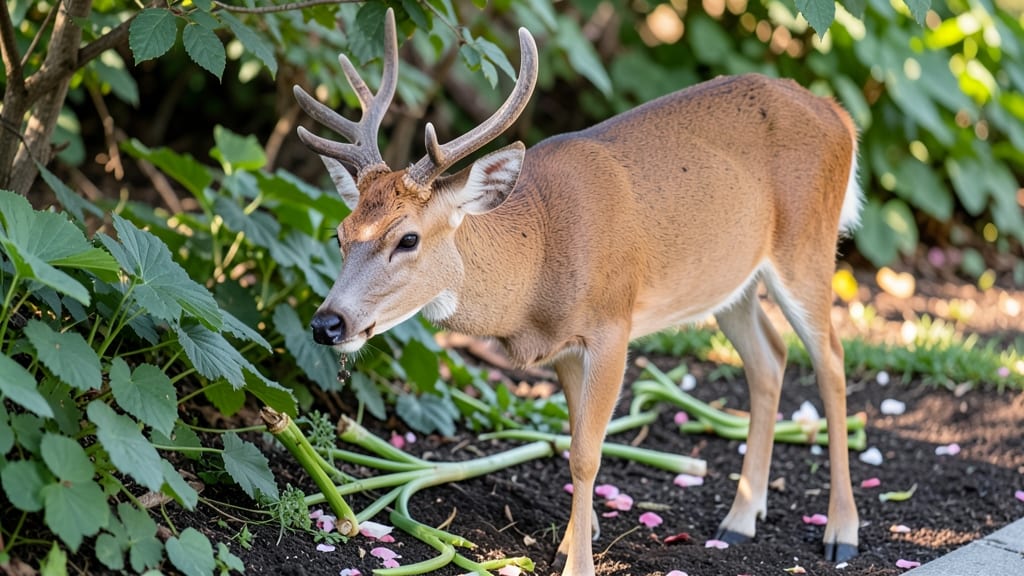
My deer-proof garden beds have kept those hungry herbivores at bay for three straight seasons—no fences, no expensive sprays, just clever planting and a few kitchen staples. 🌿 The key isn't just picking deer-resistant plants; it's creating a sensory wall they can't stand.
Deer hate strong smells, and a mix of garlic, chili peppers, and herbs sends them running before they even realize what's happening.
You'll need a few simple supplies: a 5-gallon bucket for mixing, organic spices (garlic powder, cayenne, black pepper), castile soap as a binder, and a sprayer bottle for application. The best part?
This works alongside your existing garden beds—no need to sacrifice beauty for protection. I've even seen hummingbirds and bees thrive right next to these spice barriers, proving they're safe for pollinators.
Within 24 hours of application, you'll notice deer avoiding the area entirely. The plants stay lush, the flowers bloom undisturbed, and you skip the heartbreak of finding your tomatoes turned into a deer buffet overnight. This method is especially effective in early spring when deer are most active after winter.
Works in raised beds, in-ground plots, or even container gardens—just adjust the concentration for smaller spaces. The spice mix lasts 4-6 weeks before reapplication, and you can make it stronger for persistent deer. Here's how to set it up without turning your garden into a fortress.
📚 In This Guide
- What you need
- Instructions
- Tips and common mistakes
- Wrapping up and next steps
What you need
- ● Barrier Base: 1–2 rolls of deer-resistant fencing (8–10 ft tall, made of hardware cloth or plastic mesh with 1" holes)
- ● OR 1–2 rolls of metal edging (18–24" tall, for a lower-profile barrier)
- ● Spice Barrier Ingredients: 1–2 cups of crushed red pepper flakes (or cayenne powder)
- ● 1 cup of garlic powder (or fresh cloves, chopped)
- ● 1 cup of coffee grounds (used or fresh)
- ● 1 cup of eggshells (crushed into tiny pieces)
- ○ Optional: ½ cup of hot sauce or vinegar (for extra potency)
- ● Application Tools: Garden gloves (to handle spicy ingredients safely)
- ● Spray bottle (for liquid spice mixes)
- ● Garden twine or zip ties (to secure spice-filled sachets)
- ● Small fabric bags or mesh pouches (for spice sachets)
- ● Prerequisites: Measured garden bed dimensions (to cut fencing/edging accurately)
- ● Stakes or posts (for securing fencing, if needed)
- ● Watering can (to activate spice mixes)
How to create spice-infused deer-resistant garden barriers
Here’s my battle-tested method for keeping deer away without fences or chemicals.
🌿 Step 1: Select Your Spice Barrier Plants
Choose deer-deterring plants that thrive in your climate—rosemary, lavender, thyme, sage, and marigolds are top performers. I plant rosemary along the perimeter because its strong fragrance alone deters deer, while lavender adds beauty and repels insects too. For maximum impact, mix garlic chives and Russian sage—their pungent scents create a natural barrier deer avoid.
Space plants 12-18 inches apart in a 2-3 foot wide band around garden edges. Deer have poor night vision, so a dense, fragrant line confuses and repels them. If you’re using container-grown plants, arrange them in a staggered pattern—this breaks their line of sight to your garden.
💧 Step 2: Establish a Moisture Barrier
Water the barrier plants deeply every other day for the first two weeks to help roots establish quickly. Deer are less likely to browse stressed plants, so consistent moisture keeps them thriving. I use drip irrigation along the perimeter to avoid wetting foliage—wet leaves attract slugs, which defeats the purpose.
Add 1 gallon of compost around each plant at planting to boost growth. Strong, healthy plants emit stronger fragrances, which is key for deterrence. If your soil is sandy, mix in 1 part peat moss to retain moisture and improve scent dispersion.
✂️ Step 3: Prune for Maximum Scent Diffusion
Trim plants every 4-6 weeks to encourage bushier growth and release more essential oils. Deer rely on scent to avoid areas, so prune lightly—never remove more than one-third of the foliage at a time. I use clean, sharp shears to avoid crushing stems, which can spread disease.
Focus on outer branches first—they hold the most fragrant leaves. If using rosemary or lavender, crush a few leaves between your fingers periodically to intensify the scent naturally. This reinforces the barrier’s effectiveness without chemicals.
☀️ Step 4: Reinforce with Companion Planting
Interplant deer-repelling herbs like mints, lemongrass, and catnip within the barrier. These plants overpower competing scents and create a multi-layered deterrent. I avoid strongly aromatic annuals (like basil) because deer adapt to them quickly—perennials like Russian sage provide long-term protection.
Add 1-2 inches of mulch (like pine straw or cedar chips) around the base of plants to preserve moisture and enhance scent retention. Mulch also suppresses weeds, which deer might otherwise nibble on. Avoid dyed mulches—they can leach chemicals that harm your plants.
⏰ Step 5: Monitor and Rotate Scents Seasonally
Check the barrier weekly for signs of deer browsing—chewed leaves or broken stems mean it’s time to rotate plants. In late summer, replace spring-planted herbs (like garlic chives) with fall-blooming deterrents like bee balm or lobelia. Deer grow accustomed to familiar scents, so variation keeps them guessing.
If deer persist, add a secondary barrier—hot pepper wax on fences or hanging bundles of dried herbs near garden edges. The combination of visual disruption (tall plants) and olfactory confusion (mixed scents) works better than either alone.
Tips & tricks for perfect spice-infused deer-resistant garden barriers
These battle-tested strategies will ensure your fragrant perimeter stays effective year-round while maximizing deer deterrence.
Plant Placement Strategy: In Step 1, when arranging your 2-3 foot wide band of deer-repelling plants, position the most pungent varieties—like rosemary and Russian sage—closest to your garden edges. These plants emit the strongest fragrances that deer find most offensive. The staggered arrangement for container plants works best when you alternate between tall and short varieties, creating visual confusion that complements the olfactory barrier.
Moisture Management: The two-week deep watering schedule in Step 2 is non-negotiable for scent potency. I've found that allowing soil to dry between waterings actually intensifies the essential oils in plants like lavender and thyme—just don't let them wilt completely. For sandy soils, consider adding 1 part coconut coir to your peat moss mix instead; it retains moisture better while still improving scent dispersion without altering the pH.
Pruning Technique: When you're trimming every 4-6 weeks as directed in Step 3, focus on creating an airy structure rather than dense foliage. Deer are less likely to browse plants they can see through clearly. For rosemary and lavender, I recommend using your fingers to gently crush a few leaves after pruning—this releases additional essential oils that linger in the air for hours. Just be sure to wear gloves if you're sensitive to plant oils.
Seasonal Rotation: The weekly monitoring in Step 5 is your best defense against deer adaptation. I've had success with a three-plant rotation system: spring (garlic chives + Russian sage), summer (bee balm + lobelia), and fall (wintergreen + creeping juniper). This creates a moving scent profile that keeps deer constantly confused. For late summer transitions, start your fall plants 4-6 weeks before removing the spring varieties to ensure continuous coverage.
Pro Tips for Deer Proof Garden Beds
- These battle-tested strategies will ensure your fragrant perimeter stays effective year-round while maximizing deer deterrence.
- Plant Placement Strategy: In Step 1, when arranging your 2-3 foot wide band of deer-repelling plants, position the most pungent varieties—like rosemary and Russian sage—closest to your garden edges.
- Moisture Management: The two-week deep watering schedule in Step 2 is non-negotiable for scent potency.
Frequently asked questions
Got questions about keeping deer out of your garden without harsh chemicals or expensive fences? Here are some of the most common concerns—and practical solutions—to help you create a spice-infused, deer-proof haven for your plants.
What are the best spices to use for deer-proofing garden beds?
A mix of hot peppers (like cayenne or habanero), garlic, onion, and chili powder works best. Deer dislike the strong scents and flavors, making these spices an effective natural deterrent. For extra potency, blend them into a powder and sprinkle around plant bases or mix into water for a spray.
How long does it take for spice barriers to start working?
Most gardeners see results within a few days to a week, especially if you reapply the spice mixture every 2–3 weeks. Deer are sensitive to new smells, so consistency is key. If you notice deer lingering, increase the frequency or add fresh spices to the mix for a stronger scent.
Can I use spice barriers on edible plants like herbs or vegetables?
Yes! Spices like garlic, onion, and mild chili powders are safe for edible plants and even add a subtle flavor boost. Just avoid overapplying cayenne or habanero near delicate herbs (like basil or cilantro), as the heat can affect their growth. Always test a small area first.
What if deer still eat my plants after using spice barriers?
If deer persist, try layering defenses:
- Combine spices with physical barriers like chicken wire or tall stakes.
- Add motion-activated sprinklers for extra deterrence.
- Plant deer-resistant foliage (e.g., lavender, rosemary, or marigolds) as a buffer.
Also, reapply spices after rain—water washes away the scent quickly!
Are spice barriers more cost-effective than fences or commercial repellents?
A DIY spice mix costs pennies per application compared to $20–$50 for commercial sprays or $500+ for fencing. Plus, spices are non-toxic, reusable, and eco-friendly. For long-term savings, grow your own hot peppers or garlic to make the mixture even cheaper.
Will rain or weather affect the effectiveness of spice barriers?
Yes, rain can wash away spices quickly, reducing their potency. To combat this:
- Reapply every 2–3 weeks or after heavy rain.
- Use a light spray bottle to mist plants with a spice-water solution for longer-lasting coverage.
- Consider adding essential oils (like peppermint or citronella) to repel deer even in wet conditions.
Pro tip: Apply spices in the evening when deer are most active for maximum impact!
Wrapping up and next steps
Creating a deer-proof garden doesn’t have to be a battle—it can be a delightfully spicy one! With the right combination of aromatic plants, strategic spacing, and a few clever tricks, you’ll keep those hungry herbivores at bay while adding beauty and flavor to your yard. 🌿✨
Now that you’re armed with the best deer-resistant plants and barrier techniques, it’s time to roll up your sleeves and transform your garden into a four-legged fortress. Start small—plant a few beds or test a single barrier—and watch your efforts pay off in lush, thriving greenery. Happy gardening!