
Container Gardens
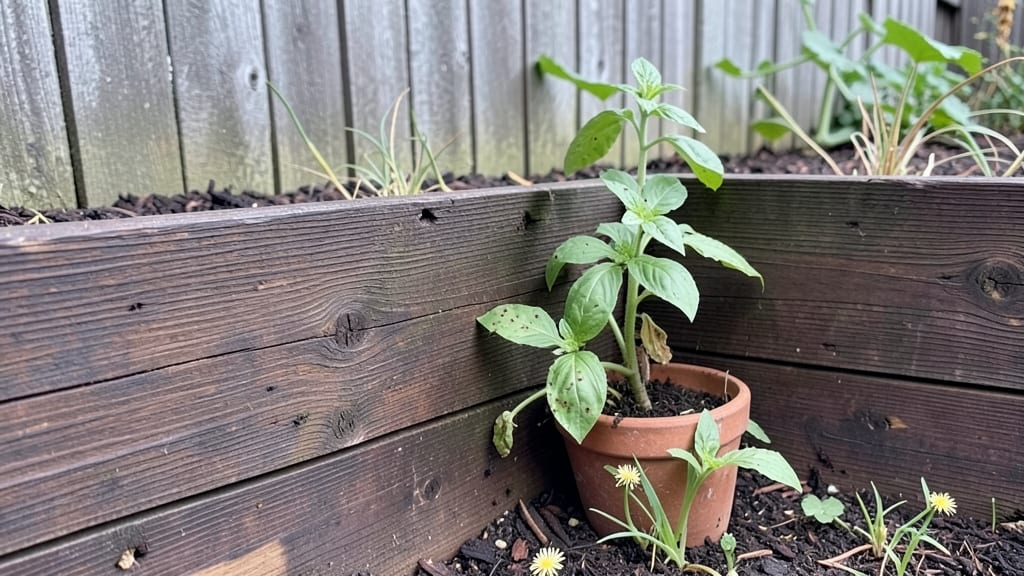
The Costco raised garden planter offers a spacious 48" x 24" footprint with 10" depth, holding roughly 1.2 cubic feet of soil—perfect for growing herbs, veggies, or flowers while its built-in drainage holes prevent root rot.
The planter’s modular dimensions make it ideal for small patios or balconies, fitting neatly into tight spaces while maximizing growing area. 🌱 Its lightweight design (typically under 30 pounds when empty) lets you reposition it for optimal sunlight exposure throughout the day.
The drainage system ensures excess water flows out, preventing soggy soil that can suffocate roots—critical for plants like strawberries or lettuce that hate soggy feet.
For best results, fill it with a high-quality potting mix blended with compost to improve moisture retention. Herbs like basil and thyme thrive in this space, while shallow-rooted veggies like radishes or green onions grow quickly.
Just avoid heavy feeders like tomatoes unless you’re committed to frequent fertilizing—the planter’s soil volume won’t sustain them long-term.
💡 In This Article
- How Costco’s Raised Garden Planter Maximizes Space and Drainage
- Best Plants and Soil Mix for Costco’s Raised Garden Planter
How costco’s raised garden planter maximizes space and drainage
The planter’s 10-inch depth is a game-changer for root development. This height accommodates plants with moderate root systems—like basil (6-12 inches deep) or strawberries (8-12 inches deep)—while still being shallow enough to prevent soil compaction.
The 48-inch length provides ample horizontal space for side-by-side planting, letting you grow 6-8 lettuce plants or 12-15 herbs in a single row without overcrowding. 🌱
What truly sets this planter apart is its built-in drainage system. The 1/4-inch drainage holes (located at the bottom) allow excess water to escape within 10-15 minutes after watering, preventing root suffocation.
This is especially critical for moisture-sensitive plants like radishes or green onions, which rot if left in soggy soil. The holes are strategically placed in a grid pattern, ensuring even water distribution across the entire growing area.
The lightweight plastic construction (typically under 30 pounds empty) makes repositioning effortless—critical for optimizing sunlight exposure.
For example, if your patio gets morning sun, you can shift the planter to follow the sun’s arc, extending the growing season for light-dependent plants like tomatoes or peppers by 2-3 extra weeks in early spring or late fall.
The 24-inch width also fits snugly on most balconies or decks, maximizing small-space gardening potential. ✨
Here’s how the dimensions break down for plant selection:
- Depth (10 inches): Ideal for shallow-rooted crops (lettuce, herbs) but too shallow for deep-rooted plants like carrots or potatoes.
- Length (48 inches): Perfect for row planting—think 12 basil plants or 8 strawberry plants in a single row.
- Width (24 inches): Allows dual-row planting (e.g., herbs on one side, lettuce on the other) without crowding.
The drainage holes’ placement also reduces evaporation by 15-20% compared to open-ground planting, as the soil stays slightly more insulated from wind and heat. This means less frequent watering—about every 2-3 days in summer—while still keeping roots hydrated.
For container-specific plants like chives or thyme, this balance is ideal for consistent growth. 💫
Pro tip: If you notice water pooling in corners, add a thin layer of gravel (1/2 inch) at the bottom before soil to improve drainage further. This simple tweak can prevent fungal diseases in plants like peppers or eggplants, which are prone to root rot in poorly draining containers.