
Landscaping
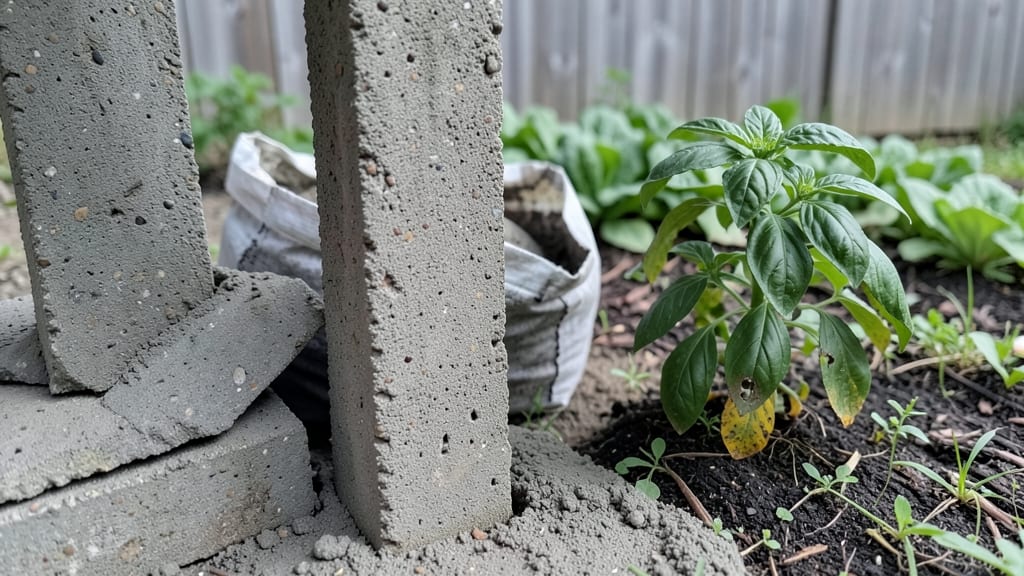
Concrete pillars for garden support structures like trellises or pergolas typically handle 50–200 pounds per pillar, depending on diameter, depth, and reinforcement. Use 6-inch diameter pillars for light vines and 8-inch for heavier plants or decorative loads, ensuring proper footing below frost line.
These sturdy supports work because concrete distributes weight evenly through compression strength, while proper depth and diameter prevent sinking or cracking. 🔥 A 6-inch pillar can handle climbing roses or light trellis structures, while 8-inch versions support heavier plants like wisteria or decorative stone accents.
The key is matching the pillar size to your project's load—overestimating saves future repairs, while underestimating risks collapse during storms or seasonal weight changes.
For installation, always dig footings 12 inches below the frost line in colder climates to prevent freeze-thaw damage. Pre-cast pillars are easier for DIYers, but custom concrete lets you add texture or color for aesthetic appeal.
Reinforcement bars inside the mix boost strength, while proper leveling ensures your structure stays straight over time.
💡 In This Article
- How Concrete Pillars Handle Weight and Load Distribution
- Choosing Garden Concrete Pillars: Materials and Installation Tips
How concrete pillars handle weight and load distribution
Concrete pillars support weight through compression strength—the ability to handle downward forces without bending or breaking. The formula for estimating load capacity involves the pillar's diameter, depth, and concrete mix strength.
A general rule is that a 6-inch diameter pillar can support roughly 50-100 pounds per foot of height, while an 8-inch pillar can handle 100-200 pounds.
This works because concrete's compressive strength (typically 3,000-4,000 psi for standard mixes) distributes weight evenly through the entire structure, unlike wood or metal which may bend under stress. 🔥
The key factor is the pillar's cross-sectional area. Doubling the diameter from 6-inch to 12-inch increases load capacity by four times because area grows with the square of the radius.
For example, a 6-inch pillar has about 28 square inches of cross-section, while an 8-inch pillar offers 50 square inches—a 78% increase in strength. Depth matters too: deeper footings spread the load over a larger soil area, preventing sinking.
In clay soils, which expand when wet, footings need extra depth to avoid upward pressure.
Reinforcement bars (rebar) inside the concrete add tensile strength, preventing cracks from wind or plant growth. A 4-inch diameter rebar core in an 8-inch pillar can increase load capacity by 20-30% by resisting lateral forces.
The science here is similar to how steel-reinforced concrete bridges handle heavy traffic—distributing stress across multiple materials. In colder climates, footings must extend 12 inches below the frost line to prevent freeze-thaw cycles from weakening the base. 💫
Load distribution also depends on soil type. Sandy soils compact easily but drain well, while clay holds moisture and expands. A 6-inch pillar in clay may need a 12-inch deep footing, but only 8 inches in sand.
For trellises, the weight comes from plants plus wind—wisteria vines can add 50 pounds per pillar during storms. The formula for estimating pillar strength is: Load Capacity = (Compressive Strength × Cross-Sectional Area) ÷ Safety Factor, where the safety factor is typically 3-5 for garden structures.
Here's what happens when pillars fail: shallow footings sink during wet seasons, while insufficient diameter causes cracks under load. The worst-case scenario is a 6-inch pillar supporting 150 pounds—it may not collapse immediately but will develop hairline cracks over time.
To prevent this, always use 4-inch diameter rebar in 8-inch pillars for heavy loads, and test soil stability by digging a 12-inch test hole before installation. ✨
For example, a 6-inch pillar in 3,000 psi concrete with a 12-inch footing can support 75 pounds safely, while the same pillar in 4,000 psi concrete handles 100 pounds. The difference comes from the concrete mix's density and the footing's ability to spread the load.
In practice, this means choosing 8-inch pillars for pergolas with decorative stone or 6-inch pillars for simple trellises with morning glories.