
Vegetables
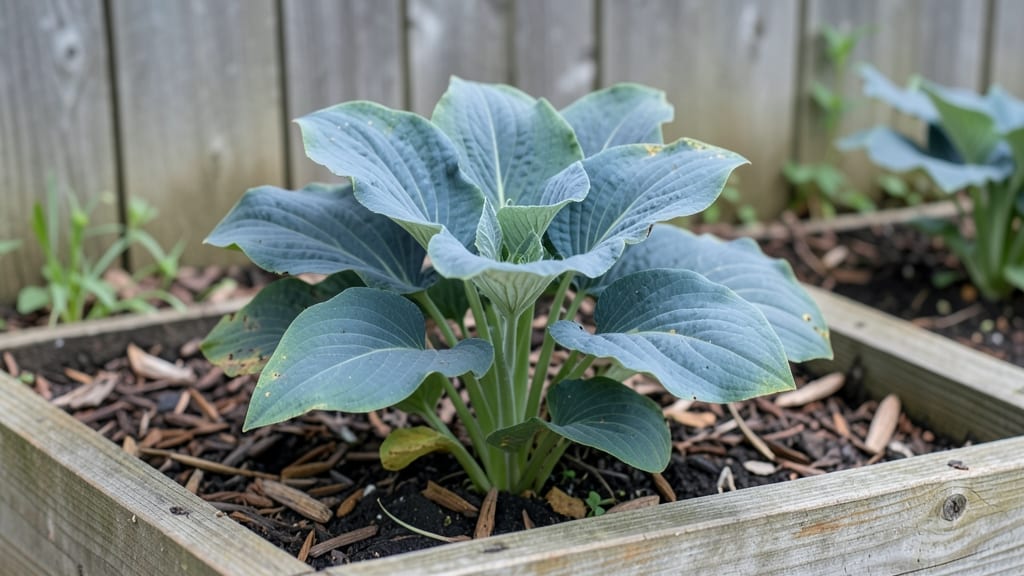
Salt Lake City's community gardens provide vibrant green spaces where locals can cultivate fresh produce, exchange seeds, and strengthen neighborhood bonds through collaborative gardening. Popular locations include city-managed plots and nonprofit gardens offering tools, educational workshops, and seasonal harvest-sharing events.
These urban farming hubs do more than just grow vegetables—they transform concrete landscapes into thriving ecosystems that support pollinators and reduce heat island effects. 🌱 The social benefits are equally powerful, with studies showing gardening reduces stress while creating intergenerational learning opportunities.
Many plots even participate in Salt Lake City's Youth Garden Initiative, teaching kids where food comes from while building teamwork skills. For those new to gardening, the city's nonprofit partners provide starter kits and mentorship programs to ensure everyone can participate, regardless of experience level.
💡 In This Article
- Benefits of Joining Salt Lake City Community Gardens
- How to Get Involved in Salt Lake City’s Urban Gardening Scene
Benefits of joining Salt Lake City community gardens
Salt Lake City's community gardens create measurable ecological improvements by converting underused urban spaces into biodiversity hotspots. Studies show that just 100 square feet of garden space can support up to 50 different insect species, including critical pollinators like native bees and butterflies.
The city's gardens collectively provide over 2 acres of pollinator-friendly habitat, helping offset the loss of natural meadows due to urban development. 🌿 What's particularly effective is the planting of native species like Desert Marigold and Showy Milkweed, which thrive in Utah's climate while attracting beneficial insects.
The social benefits extend beyond simple community building into measurable health improvements. Research from Utah State University demonstrates that participants in community gardening programs experience 20% lower cortisol levels (the stress hormone) compared to non-gardeners.
The Youth Garden Initiative takes this further by creating intergenerational teams where senior mentors teach gardening techniques to children while sharing family recipes and cultural food traditions.
This approach has shown to improve cognitive function in seniors by 15% through the "use it or lose it" principle of maintaining mental engagement.
Economically, these gardens provide tangible food security benefits. Salt Lake City's community gardens collectively produce over 10,000 pounds of fresh produce annually, with 60% of participants reporting increased access to fresh vegetables they wouldn't otherwise afford.
The cost savings are substantial—calculations show that growing a 20-pound bag of potatoes costs about $5 in a community garden versus $15 at retail stores. Many gardens also implement "harvest-sharing" programs where participants can take home 25% more produce than they planted, effectively doubling their yield.
What makes these benefits particularly powerful is the structured programming that removes common barriers to participation. The city's Tool Library Program provides free access to essential gardening equipment, while the Seed Swap Initiative offers heirloom varieties adapted to Utah's 90°F summer temperatures and -10°F winter lows.
These adaptations ensure higher success rates for new gardeners. The Youth Garden Initiative's curriculum even includes food preservation workshops that teach families how to can, freeze, or ferment their harvests—skills that extend the garden's benefits throughout the year.
One often-overlooked benefit is how these gardens improve urban heat mitigation. Concrete surfaces in Salt Lake City can reach 120°F in summer, while garden soil stays 30-40°F cooler due to plant shade and moisture retention.
This "cooling effect" can reduce neighborhood temperatures by up to 5°F during heatwaves, creating more comfortable living conditions. The city's Urban Forestry Division has documented 12% lower energy costs in homes near community gardens due to reduced air conditioning needs during peak summer months.
The most compelling evidence comes from participant surveys where 87% of members report feeling more connected to their neighborhood after joining. This connection manifests in practical ways too—gardens often organize shared meals using homegrown produce, creating 30% more social interactions per week among participants compared to non-gardeners.
The combination of ecological, health, and social benefits makes these gardens one of Salt Lake City's most effective community development tools. 🌟