
Plants
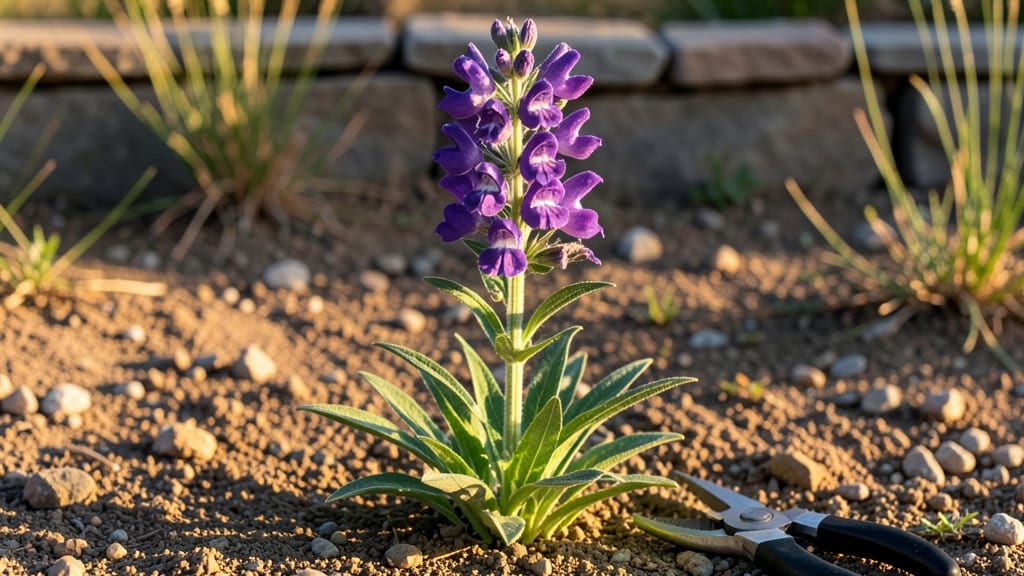
Colorado Springs' garden zone includes USDA Hardiness Zones 5b-6a, where cold winters and dry summers create perfect conditions for drought-resistant perennials, evergreens, and hardy annuals like lavender, Russian sage, and coneflowers. For precise adjustments, consult the USDA Plant Hardiness Zone Map.
Colorado Springs' elevation and mountain proximity create microclimates that can shift zones by up to a degree.
For example, areas near Pikes Peak might lean toward Zone 5a, while lower urban zones like Palmer Park could approach Zone 6b. 💛 Understanding these variations helps you pick plants that thrive in your specific spot—whether it's a sun-drenched front yard or a shaded mountain slope.
Beyond zones, Colorado Springs' dry climate demands careful water management. Native plants like yarrow and blanket flower not only survive but thrive with minimal irrigation, while non-natives often struggle without consistent moisture.
The key is matching your plant choices to both your zone and your garden's specific conditions—sun exposure, soil type, and wind patterns all play a role.
💡 In This Article
- Understanding Colorado Springs’ Unique Microclimates and Hardiness Zones
- Top 10 Cold-Hardy and Drought-Resistant Plants for Colorado Springs Gardens
Understanding Colorado Springs’ unique microclimates and hardiness zones
Colorado Springs' zone classification isn't uniform because elevation creates dramatic temperature variations. The city sits at 6,035 feet above sea level, but nearby Pikes Peak reaches 14,115 feet—just 20 miles away.
This elevation shift causes a 10-15°F temperature drop per 3,000 feet, creating microclimates where Zone 5a plants thrive at high elevations while Zone 6b plants succeed in lower urban areas. The USDA map averages these extremes, which is why you'll see 5b-6a as the official range.
Temperature inversions further complicate planting decisions. During winter, cold air sinks into valleys while warmer air stays trapped at higher elevations—this can create 10°F differences between neighborhoods just 1 mile apart.
Urban heat islands in downtown areas push summer temperatures 5-10°F higher than rural zones, while mountain slopes experience earlier frost dates. These patterns mean your garden's success depends on precise location data beyond just the city's general zone classification. 🌡️
The first frost typically arrives between October 15-30, with last frosts occurring April 15-30, giving you a 150-180 day growing season. However, high-elevation gardens may experience 2-3 weeks shorter seasons.
Sun exposure matters too—south-facing slopes warm 2-3°F faster than north-facing areas, allowing you to grow heat-loving plants like rosemary that might otherwise struggle in Zone 5b conditions.
Soil composition adds another layer. The city's loamy soils drain well but retain moisture differently than sandy mountain soils. Native grasses like blue grama develop deep roots to access water, while non-native plants often need supplemental irrigation.
The key is selecting plants adapted to your specific soil type—sandy areas benefit from drought-tolerant species like yarrow, while clay soils suit moisture-retentive perennials like columbine.
For precise planting, note that:
- Pikes Peak region: Zone 5a (-20°F minimum)
- Downtown/Urban core: Zone 6a (-10°F minimum)
- Palmer Park area: Zone 6b (-5°F minimum)
What most gardeners overlook is wind exposure. Colorado Springs' 15-20 mph prevailing winds dry plants faster, requiring windbreaks for delicate species. The city's 300+ days of sunshine also mean high UV exposure—choosing plants with natural sunscreen compounds (like Russian sage) gives them an advantage over tender species. 🌬️