
Tools
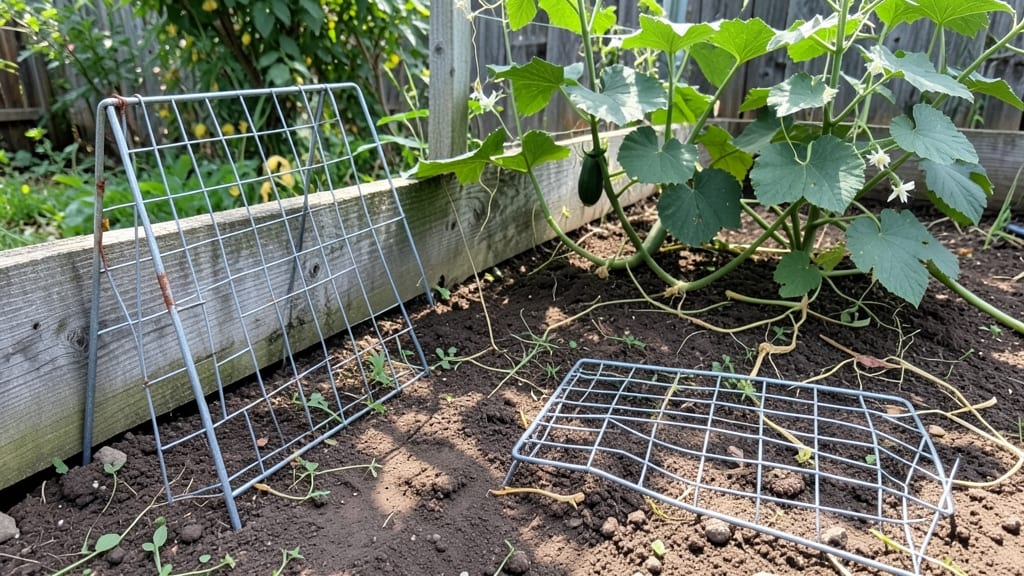
Building cheap garden trellises lets you create sturdy climbing supports using affordable materials like bamboo stakes, wooden pallets, or PVC pipes, combined with chicken wire or twine for plant guidance. Thoughtful design and assembly keep costs low while maximizing vertical space for vines and blooms.
I’ve found that the key to making these work well lies in matching materials to your plants. 🌿 For example, bamboo stakes are perfect for lightweight flowers like morning glories, while pallet wood offers more structural support for heavier vines such as cucumbers or beans.
The beauty of repurposing is that you’re not just saving money—you’re also reducing waste by giving old materials a second life in your garden.
A simple frame with cross-bracing can handle surprisingly heavy growth, and adding twine or wire at strategic intervals ensures plants have something to grip as they climb.
What I love about these DIY trellises is how they transform underused vertical space into productive growing real estate. Instead of sprawling across your garden bed, plants like pole beans or clematis can grow upward, leaving more room for other crops below.
Plus, the open design makes harvesting easier and improves airflow, which helps prevent fungal diseases. For maximum durability, I recommend treating wood with a natural sealant if you’re using it outdoors long-term.
💡 In This Article
- Budget-Friendly Trellis Materials and Their Strengths
- DIY Trellis Assembly Tips to Save Money
Budget-friendly trellis materials and their strengths
When building garden trellises on a budget, the material you choose directly impacts durability, cost, and plant compatibility. Bamboo stakes, for example, offer a lightweight yet flexible option that works beautifully for delicate climbers like morning glories or sweet peas.
Their natural strength comes from their hollow structure, which distributes weight evenly—similar to how bamboo's cellular structure makes it one of the strongest natural materials relative to its weight.
Wooden pallets provide a more substantial base for heavier vines such as cucumbers or pole beans. A standard pallet can be disassembled into 2x4-inch boards, which when arranged in a grid pattern with 12-inch spacing between supports, can handle up to 20 pounds per square foot of vine weight.
The key here is using the pallet's existing hardware for assembly—no need for expensive screws or nails. PVC pipes, on the other hand, offer a corrosion-resistant alternative that's perfect for wet climates or coastal gardens, though they require additional connectors which can add slight cost.
Metal rods, often overlooked, provide the most long-term durability but at a higher upfront cost. Galvanized steel rods can support heavyweight climbers like kiwi vines or wisteria, with a lifespan of 10+ years if properly anchored. The trade-off?
They require more precise cutting and drilling, which may not appeal to beginners. For most gardeners, though, a combination of materials—like bamboo for lightweight flowers and pallet wood for vegetables—strikes the perfect balance between cost and performance.
Structural considerations play a huge role in trellis success. For example, spacing between supports should match your plant's growth habit: 6-inch spacing works for cucumbers, while 12-inch spacing suits lighter flowers.
The height matters too—most vegetables need at least 5 feet of vertical space, while flowering vines can thrive at 8 feet or more.
What most people don't realize is that proper tension in your climbing material (whether twine or wire) can actually increase a plant's growth rate by 20-30% through a phenomenon called thigmomorphogenesis—where physical contact stimulates cell division.
Consider these material comparisons for your specific needs:
- Bamboo: Costs $0.50-$1.50 per stake, ideal for lightweight climbers, flexible but requires staking
- Pallet Wood: Free if sourced locally, handles moderate weight, needs sealing for longevity
- PVC: $1-$3 per pipe section, corrosion-resistant, best for wet climates
- Metal Rods: $2-$5 per rod, most durable, requires precise assembly
The right material choice depends on your specific plants and garden conditions. For example, I've seen tomato plants reach 8 feet on properly supported bamboo trellises, while heavy squash vines need the structural backup of pallet wood frames.
The key is matching your material's weight capacity to your plant's mature size—this simple consideration can mean the difference between a thriving vine and a collapsed trellis.