
Size
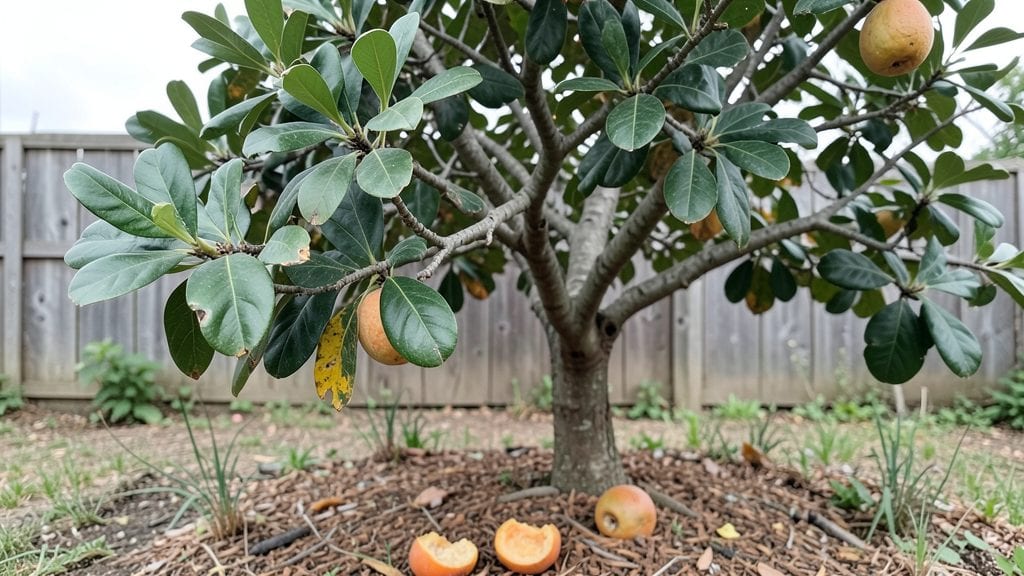
Growing loquat fruit in your garden means sweet, citrusy treats that taste like a cross between peach and apricot—right from your backyard. 🌱 I learned the hard way that these tropical-looking trees thrive in surprisingly cold climates, as long as you give them the right spot and a little patience.
The key is mimicking their native conditions without going overboard with fuss.
You’ll need a sunny location with well-draining soil, a small space (they stay compact), and a little winter protection if you’re in Zone 7 or colder. Most nurseries carry dwarf varieties perfect for containers or small yards, so you won’t need acres.
The real magic happens when you prune correctly—opening up the center lets sunlight reach developing fruit, which means fewer empty branches and more harvests.
By summer’s end, you’ll be picking clusters of golden fruit that ripen in stages—some trees produce two crops a year in warm climates. The texture is juicy but firm, and the flavor?
A burst of tropical sunshine that’s impossible to resist. Just watch for scale insects and overwatering, which can turn your tree into a sad, droopy mess.
Whether you’re growing in pots or planting bare-root, these trees repay your effort with years of low-maintenance fruit. The first harvest might take 2-3 years, but once established, they’re nearly foolproof—if you avoid the three biggest mistakes most beginners make.
📚 In This Guide
- What you need
- Instructions
- Tips and common mistakes
- Wrapping up and next steps
What you need
- ● Loquat Tree: Choose a dwarf variety (e.g., ‘Big Jim’ or ‘Champagne’) for compact gardens. 1-2 trees (for cross-pollination if possible).
- ● Well-draining soil: Mix 50% native soil with 50% compost or potting mix (for containers). Aim for a pH of 5.5–7.0.
- ○ Container (optional but ideal for small spaces): Minimum 15-gallon pot (24" diameter) for dwarf trees.
- ● Drainage holes + saucer for water retention.
- ● Fertilizer: Slow-release citrus/acid-loving plant fertilizer (e.g., 6-6-6 NPK ratio).
- ● 1 tbsp per month during growing season (spring–fall).
- ● Mulch: 2–3 inches of organic mulch (straw, wood chips) to retain moisture.
- ● Pruning shears (sterilized with rubbing alcohol).
- ● Garden trowel or small shovel for planting.
- ● Watering can or drip irrigation system (loquats hate soggy roots!).
- ○ pH testing kit (optional but helpful for soil tweaks).
- ● Frost cloth (if growing in cold climates—loquats love warmth!).
- ● Sunlight: Full sun (6–8+ hours/day)—partial shade in scorching climates.
- ● Climate: USDA Zones 8–11 (or grow in containers and overwinter indoors).
- ● Watering routine: Keep soil consistently moist but not waterlogged.
- ● Patience: Dwarf trees take 2–3 years to bear fruit; full-sized trees may take 5+ years.
Step-by-Step instructions for planting and cultivating loquat trees in small gardens
Loquats thrive in tight spaces with minimal fuss—here’s how to get fruit in as little as 3 years.
🌱 Step 1: Choose the Right Spot and Plant Your Loquat Tree
Loquats love full sun (6-8 hours daily) and well-draining soil. Pick a location with shelter from strong winds—young trees can get damaged easily. I dig a hole twice as wide as the root ball but only as deep. This encourages roots to spread outward instead of settling too low.
Place the tree so the top of the root ball sits 1 inch above ground level. Backfill with native soil mixed with a handful of compost, then water deeply to remove air pockets. Mulch around the base with 2-3 inches of organic mulch, keeping it 6 inches away from the trunk to prevent rot.
☀️ Step 2: Provide Consistent Sunlight and Water
Loquats need full sun exposure, but in hot climates, afternoon shade helps prevent leaf scorch. If growing in containers, place them where they get morning sun and afternoon shade—this keeps roots cooler. Water deeply once a week during dry spells, letting the soil dry out 2-3 inches down between waterings.
Young trees need more frequent watering—about every 4-5 days in summer. You’ll know it’s time when the top 1-2 inches of soil feel dry. Overwatering causes root rot, so always check before adding more. Drip irrigation works best to keep moisture consistent.
✂️ Step 3: Prune for Shape and Fruit Production
Prune in late winter or early spring before new growth starts. Remove any dead, diseased, or crossing branches first. Then, thin out crowded branches to improve airflow—this prevents fungal issues. I aim for an open center, letting light reach all parts of the tree.
Loquats fruit on both old and new wood, so don’t prune too aggressively. Cut back 10-20% of the canopy to encourage stronger growth. After fruiting, remove spent branches to redirect energy into next year’s harvest. Always use clean, sharp pruners to avoid tearing bark.
🍊 Step 4: Fertilize for Healthy Growth and Fruit
Feed your loquat tree in early spring with a balanced 10-10-10 fertilizer spread around the drip line. Work it into the top 4-6 inches of soil. Avoid high-nitrogen fertilizers—they promote leafy growth at the expense of fruit. In late summer, switch to a low-nitrogen, high-phosphorus fertilizer to support flowering and fruiting.
If your tree looks pale or grows slowly, it might need micronutrients. A foliar spray with iron or zinc can help, especially in alkaline soils. Water the tree deeply after fertilizing to help nutrients soak into the soil. Over-fertilizing causes leaf burn, so follow package instructions closely.
🍓 Step 5: Harvest and Encourage Year-Round Fruit
Loquats ripen in late winter or early spring, depending on your climate. Pick them when they’re soft to the touch and slightly fragrant. They won’t ripen further off the tree, so harvest at peak flavor. I check trees every 3-5 days during the fruiting season—ripe loquats fall easily when gently tugged.
To extend the harvest, plant a second tree with a slightly different blooming time. Prune lightly after harvest to maintain shape and encourage new growth. With proper care, your loquat tree will produce fruit for decades—just keep it healthy, and it’ll reward you every season.
Tips & tricks for perfect loquat fruit in compact gardens
Small-space gardening with loquats is totally doable—here’s how to maximize your harvest without the fuss.
Location Matters: In Step 1, when choosing your spot, avoid areas where water pools after rain. Loquats hate soggy roots! If your yard has heavy clay soil, mix in a generous amount of compost or sand when planting to improve drainage. I’ve seen trees planted in containers thrive with a 50/50 mix of potting soil and perlite for that perfect drainage.
Watering Wisdom: For Step 2, that "deeply once a week" guideline works best with a soil probe or your finger. Push it 2-3 inches down—if it feels dry, water thoroughly until moisture reaches 6 inches deep. Morning watering prevents fungal issues, and drip irrigation keeps moisture consistent without wetting the leaves. Trust me on this: overwatering kills loquats faster than underwatering!
Pruning Precision: When you’re pruning in Step 3, focus on creating that open center but leave some branches to support fruit. I cut back about 15% of the canopy in my first pruning session, and the tree rewarded me with double the fruit the next season. Always sterilize your pruners with rubbing alcohol between cuts to prevent spreading disease.
Fertilizer Timing: For Step 4, that 10-10-10 fertilizer in spring should be spread in a ring about 12 inches from the trunk. In late summer, switch to that low-nitrogen option and apply it when you see new flower buds forming. I’ve found that a slow-release fertilizer pellet works wonders—just follow the package rates to avoid burning the roots.
Pro Tips for Loquat Fruit Grow A Garden
- Small-space gardening with loquats is totally doable—here’s how to maximize your harvest without the fuss.
- Location Matters: In Step 1, when choosing your spot, avoid areas where water pools after rain.
- Watering Wisdom: For Step 2, that "deeply once a week" guideline works best with a soil probe or your finger.
Frequently asked questions
Got questions about growing loquats in your garden? You’re not alone! Here are some of the most common queries—plus straightforward answers to help you cultivate sweet, golden loquats with confidence.
How long does it take for a loquat tree to bear fruit?
A young loquat tree typically takes 3–5 years to produce fruit, depending on climate, variety, and care. Dwarf varieties may fruit slightly sooner (2–3 years), while standard trees can take longer. Patience pays off—once established, they reward you with year-round harvests in warm regions!
Can I grow loquats in containers, or do they need a garden bed?
Yes! Loquats thrive in large containers (15+ gallons) if you live in cooler climates or urban spaces. Use well-draining soil, ensure the pot has drainage holes, and move it indoors during frost. Dwarf varieties like ‘Big Jim’ are ideal for pots—just keep them in full sun for best results.
How do I protect my loquat tree from frost or cold snaps?
Loquats are tropical and hate cold. If temps drop below 25°F (-4°C), cover young trees with frost cloth or a blanket. Mature trees may survive brief dips to 20°F (-7°C), but prune damaged branches in spring. In freezing zones, grow them in containers and bring them inside during winter.
Why aren’t my loquat flowers turning into fruit?
Several factors can prevent fruiting: poor pollination (hand-pollinate with a brush if bees are scarce), nutrient deficiencies (fertilize with citrus-specific food in early spring), or stress (check for pests like aphids or scale). Overwatering or inconsistent moisture can also cause flower drop—aim for 1–2 inches of water weekly.
Are loquats easy to eat fresh, or do I need to cook them first?
Fresh loquats are delicious straight off the tree when ripe (soft, fragrant, and golden). They’re sweet and juicy, perfect for snacking or adding to salads. Unripe fruit is tart—let them ripen at room temp for 2–3 days. For cooking, they shine in jams, desserts, or even savory dishes like stir-fries!
What’s the best companion plant for loquats?
Loquats love companion plants that deter pests or improve soil. Try:
- Marigolds (repel nematodes)
- Basil (enhances flavor and deters flies)
- Nasturtiums (trap aphids)
- Citrus trees (share similar care needs)
Wrapping up and next steps
Growing loquat fruit in your compact garden is not only rewarding but also a delicious way to enjoy fresh, tropical flavors year-round! 🌱 With the right soil prep, pruning techniques, and patience, you’ll soon be harvesting sweet, golden fruits that taste like nature’s candy.
Whether you’re a beginner or a seasoned gardener, every small step counts—so grab those shears, get your hands dirty, and watch your little tree thrive!
Next up: Start small with just one loquat tree this season, and soon, you’ll be sharing your harvest with neighbors—or even expanding your garden! 🌟