
Fertilization
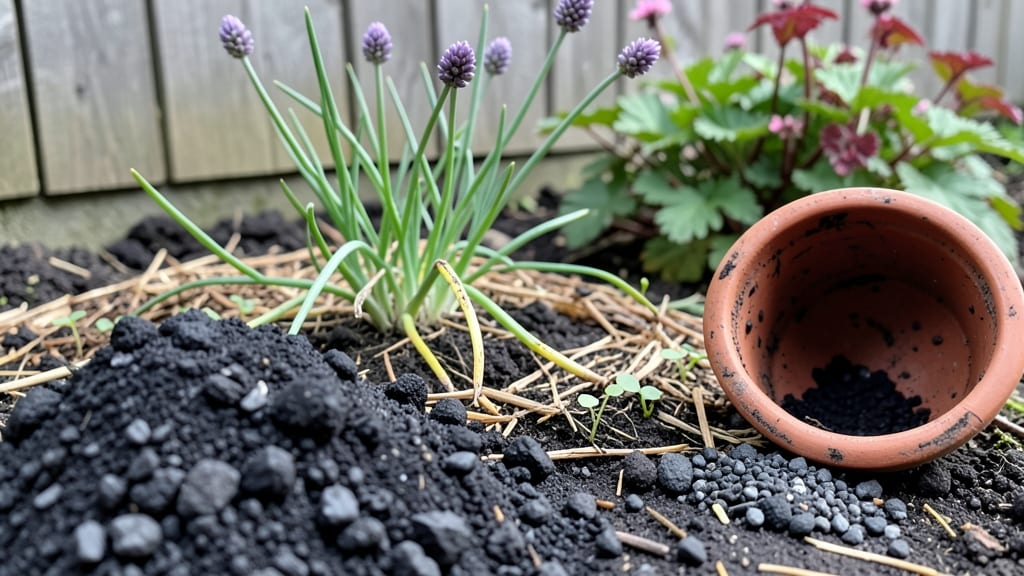
You can use charcoal ashes in your garden safely when applied properly—they boost soil pH, eliminate toxins, and deter weeds while supporting plant growth, but overuse risks creating overly alkaline conditions.
Charcoal ash acts as a natural soil amendment because it contains high levels of potassium and calcium while being alkaline.
This makes it particularly effective for plants that thrive in neutral to slightly alkaline soil, like tomatoes or peppers. 🌱 The porous structure also helps improve soil aeration and water retention, though it's crucial to test soil pH before applying since some plants, like blueberries, prefer acidic conditions.
For best results, I recommend spreading a thin layer—about 1-2 pounds per 100 square feet—and lightly mixing it into the top inch of soil. Always wear gloves and a mask, as the fine particles can irritate skin and lungs.
The key is moderation: too much can disrupt the soil's natural balance, so start small and monitor your plants' response.
💡 In This Article
- How Charcoal Ashes Improve Soil Health
- Best Practices for Applying Charcoal Ash
How charcoal ashes improve soil health
Charcoal ash works as a soil amendment because it contains high concentrations of potassium (up to 15% by weight) and calcium, while maintaining a strongly alkaline pH—typically between 10.5 and 12.5.
This alkaline nature helps neutralize acidic soils where plants like tomatoes or peppers struggle to thrive. The ash also contains trace minerals like magnesium and phosphorus, which support overall plant nutrition. 🔥
The porous structure of charcoal ash doesn't just raise pH—it physically improves soil texture by increasing aeration in compacted soils. Think of it like adding tiny air pockets that help roots breathe better.
Studies show that applying 1 pound per 100 square feet can improve water infiltration by up to 30% in heavy clay soils, preventing waterlogging while retaining moisture for plants.
One of the most powerful benefits is its ability to detoxify soil. Charcoal ash binds to heavy metals like lead and cadmium through a process called adsorption, effectively neutralizing these toxins. This makes it particularly valuable in urban gardens where soil contamination is common.
The ash also creates an inhospitable environment for weeds by altering soil chemistry, though it won't kill established weeds—just suppress their growth.
For microbial activity, the story gets interesting. While the high pH can initially reduce beneficial bacteria, the long-term effects are positive. Charcoal ash provides a carbon-rich environment that supports mycorrhizal fungi—symbiotic organisms that help plants absorb nutrients.
Over time, this creates a more balanced soil ecosystem where beneficial microbes thrive alongside the plants they support.
Here's what happens chemically: the potassium in charcoal ash replaces hydrogen ions in acidic soils, raising pH through a simple ion exchange reaction. This process is reversible—if you later need to lower pH, organic matter like compost can help restore balance.
The ash also contains small amounts of silica, which strengthens plant cell walls and improves resistance to pests and diseases. 💫
For sensitive plants like blueberries or hydrangeas that require acidic soil, charcoal ash should be used sparingly or avoided entirely. Instead, focus on plants that naturally prefer neutral to alkaline conditions, such as lavender, rosemary, or most vegetables.
The key is always to test your soil first—aim for a pH between 6.0 and 7.5 for most garden plants.